The key facts
- Eni and TotalEnergies signed contracts worth up to $1.8 billion (€1.61 billion) to develop Cyprus's first commercial gas field, Cronos.
- The field's reserves are estimated at more than 3 trillion cubic feet of gas, with production expected to begin in the first half of 2028.
- The gas will be processed in Egypt and exported via the Damietta LNG plant, primarily to European markets.
Contracts for the development of Cyprus's first gas field
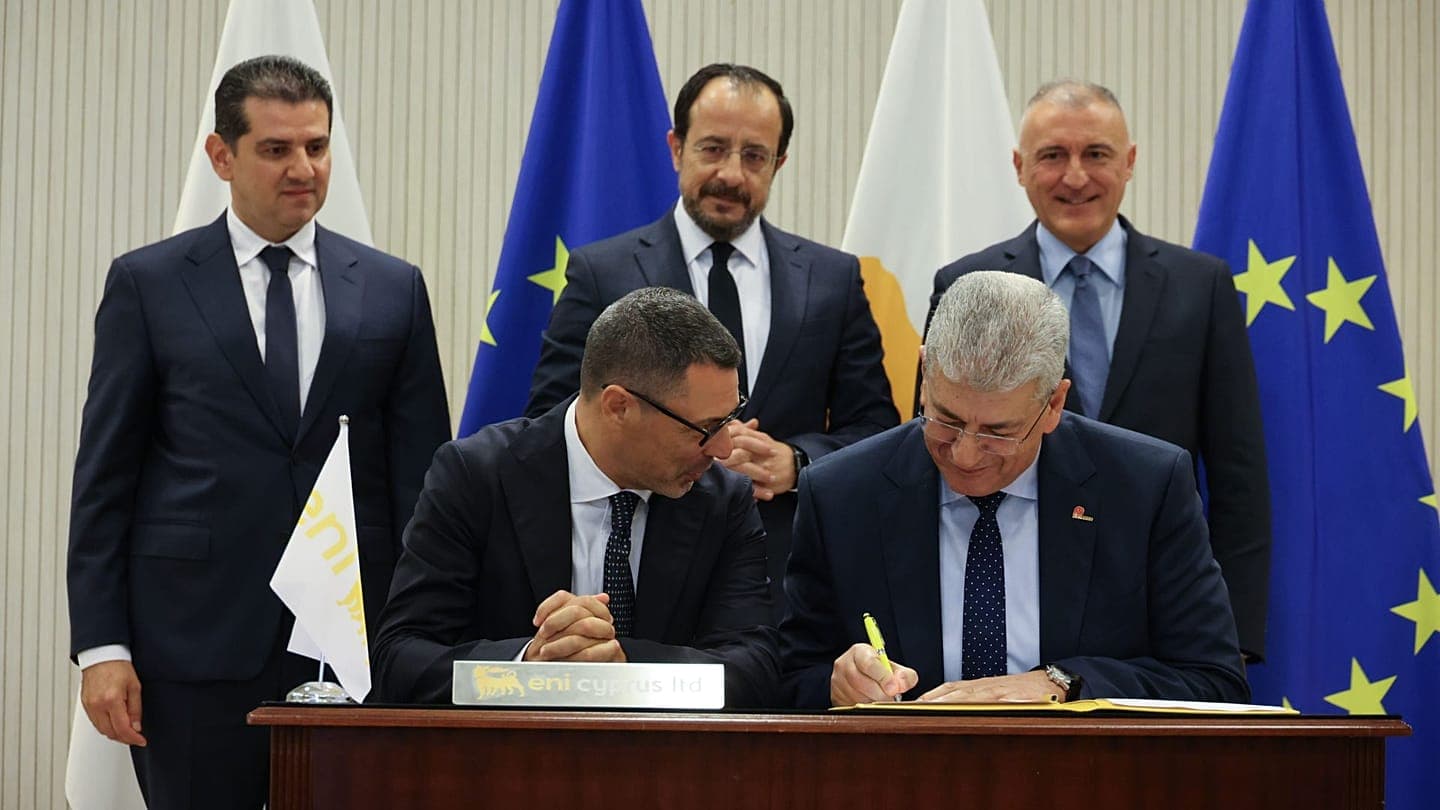
On October 26, the Italian energy group Eni signed contracts worth up to $1.8 billion (€1.61 billion) to create infrastructure for the development of the Cronos natural gas field in Cyprus's exclusive economic zone. Eni's partner is the French group Total, and the companies will develop the block together. The signing ceremony took place after a meeting between Cypriot President Nikos Christodoulides and an Eni delegation led by Chief Operating Officer for Global Natural Resources Guido Brusco. The contracts cover the design, procurement, construction and installation of the infrastructure needed to develop the field.
Reserves, timelines and the export route via Egypt
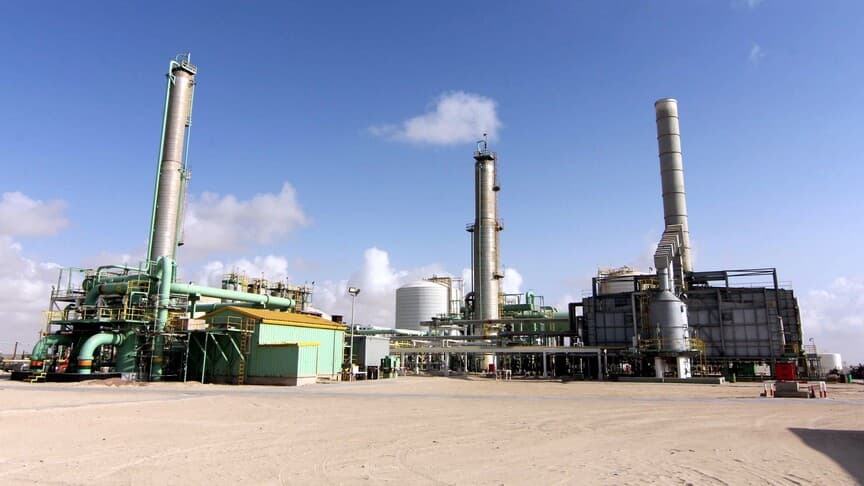
According to Guido Brusco, Cronos's reserves are estimated at more than 3 trillion cubic feet of gas, and once stable production is reached, output could reach 500 million cubic feet per day. In July, Eni and TotalEnergies decided to accelerate the project, setting a target to begin production in the first half of 2028. The gas is to be transported to Egypt, where it will be processed using existing infrastructure, including facilities linked to the Zohr field off the Egyptian coast, and then fed to the Damietta LNG plant for export to international markets, primarily Europe. The use of Egyptian infrastructure has been named a central element of the plan: it reduces development costs and shortens construction timelines.
The authorities' reaction and the circle of contractors
In a written statement, Cypriot President Nikos Christodoulides called the signing of the contracts 'a strong vote of confidence in our country's energy prospects, which carry particular geopolitical and economic significance.' Brusco described the project as a historic milestone, since it is the first hydrocarbon field development project in Cyprus; he also noted that Eni has been operating on the island since 2013. To implement the project, contracts will be concluded with specialized companies: Baker Hughes is responsible for subsea production systems, Dalmine for export gas pipelines, TechnipFMC for flexible production lines, McDermott for the offshore installation and commissioning of subsea pipelines, Oceaneering for subsea control umbilicals, CMHI for the floating control unit, Petrojet for the construction of a new onshore gas pipeline in Egypt between Zohr and Damietta, and Saipem for offshore drilling from the Saipem 10000 vessel.
Significance for Europe and related projects
The publication notes that the agreements are seen as a contribution to diversifying gas supplies to Europe, especially against the backdrop of tensions in the Middle East and concerns around the Strait of Hormuz. At the same time, as the Cypriot newspaper Phileleftheros writes, revenues from gas sales will not start flowing immediately, and the real contribution of Cypriot gas to Europe's energy security will depend on the timing of production start-up, export capacity, commercial agreements and the state of global markets; the development of Cronos does not mean an automatic replacement of supplies from the US or Russia, but adds another option to Europe's energy portfolio. Cronos is part of broader activity in the Eastern Mediterranean: Chevron continues negotiations on the development of the Aphrodite field with partners NewMed Energy from Israel and Britain's Shell, and, according to media reports, Shell has agreed to sell its stake to the Hungarian group MOL, with the deal expected to be completed in early 2027.