The key facts
- The High Court ordered £127,500 to be paid to Bern Rogers for 850 days of caring for her mother Sheila, who died in 2020.
- In 2022, a jury at Bristol Crown Court acquitted her of theft and fraud charges after she withdrew £100,000 from the estate.
- In 2022, a jury at Bristol Crown Court acquitted her of theft and fraud charges after £100,000 was withdrawn from the estate.
- The estate intends to appeal the ruling on the amount; lawyers consider the precedent significant for future claims by family carers.
- The estate intends to appeal the decision on the amount; lawyers consider the precedent significant for future claims by family carers.
Court recognises right to payment for family care
Bristol resident Bern Rogers has secured a High Court award of £127,500 for caring for her elderly mother Sheila, BBC News reports. Sheila, who was diagnosed with dementia, moved in with her daughter in September 2017 and lived with her for two and a half years — until her death in April 2020. According to Rogers, her mother wanted to be cared for by her daughter rather than by hired carers or in a care home, and agreed to pay her for round-the-clock care, although no specific amount was agreed. Bern's husband John described the care as 'a 24-hour-a-day job': the family could not even go out to the shops, and in the final weeks of Sheila's life his wife slept on the floor of her bedroom.
From criminal charges to a civil claim
After her mother's death, Rogers transferred £100,000 from her account, after which she was accused of theft and fraud. The money was seized and the case went to court, but in 2022 a jury at Bristol Crown Court acquitted her. She then turned to the civil courts: in 2025 a High Court judge ruled that an informal agreement to pay for care at a reasonable price existed between her and her mother, and in August this year another judge determined the amount — £127,500 for 850 days of care. The estate was also ordered to pay her legal costs. Rogers herself described her feeling after the rulings as a 'phenomenal' relief and spoke of a 'nine-year hard road' that ended in justice.
The estate's position and lawyers' reaction
Sheila's executor — Bern's brother Andrew Wills — said on behalf of the estatethat relatives knew only of an arrangement to pay her £50 a week 'for upkeep' and that she should not be left out of pocket, and were not informed of any other contract. He added that the estate had always been willing to pay 'genuine expenses' and an additional reward, but Rogers declined its offers and filed a claim. The ruling on the right to payment itself cannot be appealed, but the estate intends to challenge the second ruling — on the size of the sum. Lawyers interviewed by BBC describe the case as 'hugely significant': Emma Holland of Stewarts noted that courts are willing to apply ordinary contractual principles to family relationships even without an agreed amount, while Beth Middleton of JMW predicts a 'flood of claims'. Sarama Dutton of Collyer and Bristow added that the rulings recognise not only individual care tasks but also constant supervision, responsibility and restrictions on personal freedom.
Why it matters
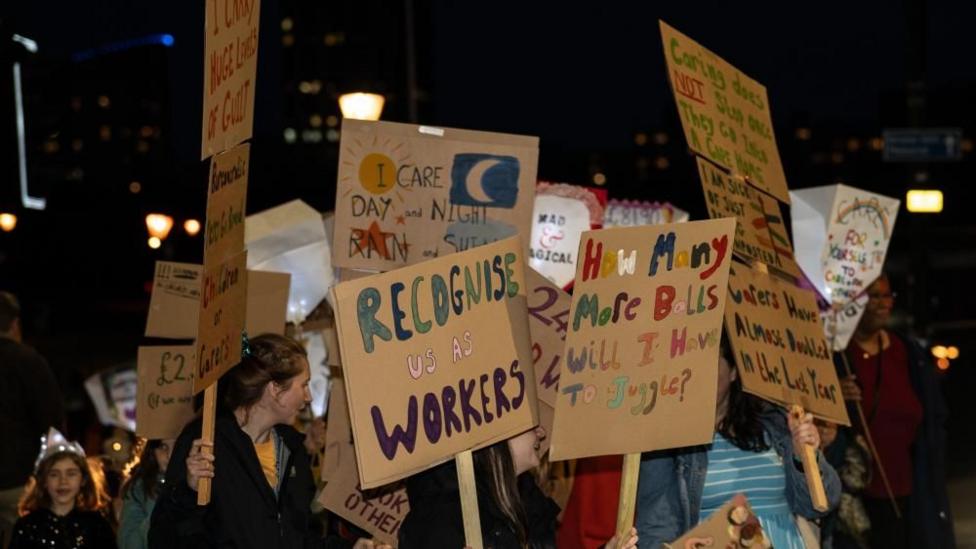
The case concerns thousands of families where relatives care for elderly people without formal agreements: according to lawyers' estimates cited by BBC, courts are now more willing to recognise the right to payment for such care even without a fixed sum, which, in their view, will lead to new claims. The practical takeaway for families is to record agreements in writing, as John Rogers himself advises, stressing the need for open conversations about fairness. The final amount is not yet settled, however: the estate is preparing an appeal, and final clarity in this case has not yet been reached.
 Image source, Family handout
Bern says her mother wanted to be cared for at home by her family
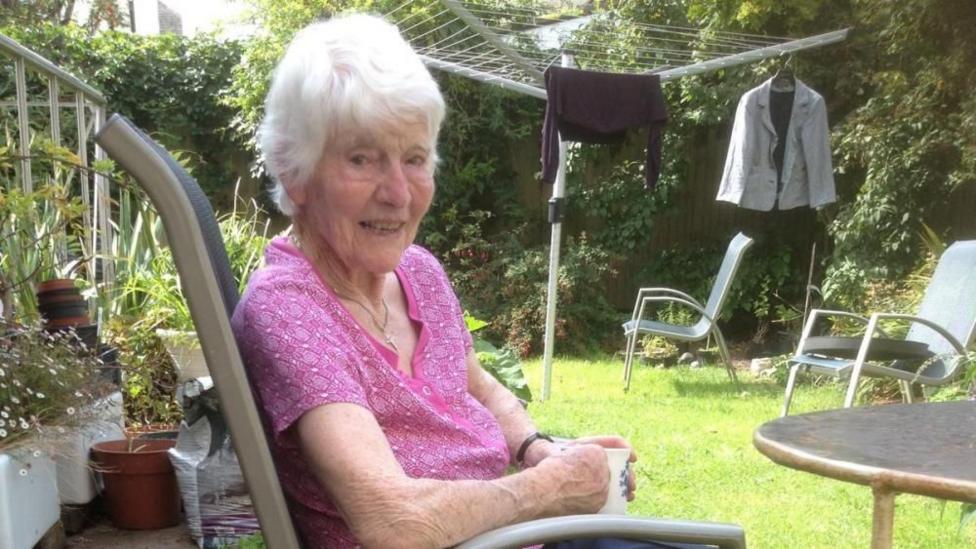 Image source, Family handout
Sheila was diagnosed with dementia after moving in with her daughter

Bern Rogers says she and her husband John can get on with their lives now after the two High Court rulings
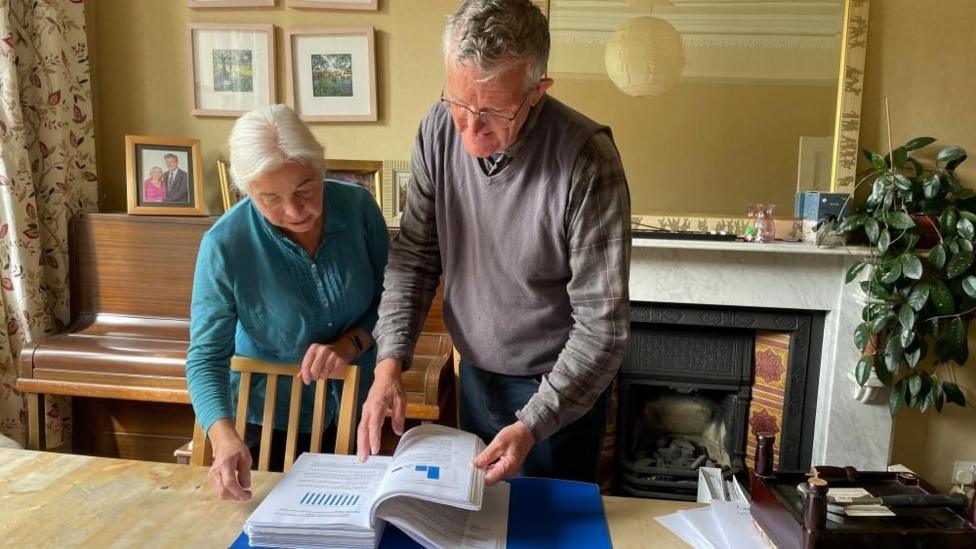
Bern Rogers and her husband John say they feel pride that their ordeal could help other family carers in future