The key facts
- Serbia's National Assembly elections are held on October 25, with 18 political forces taking part
- Vucic expects cooperation with Russia to strengthen and welcomed the support of Putin and Fico
- According to opinion polls, the main rivals are the 'Student List' and the 'United Serbia' coalition
Statement on election day
On the day of Serbia's parliamentary elections, Aleksandar Vucic told RIA Novosti that he expects cooperation with Russia to strengthen after the elections. 'I hope that we need to increase and strengthen the level of our cooperation,' Gazeta.Ru quoted him as saying. He also added that he was pleased with the support expressed ahead of the vote by Russian President Vladimir Putin and Slovak Prime Minister Robert Fico.
Course of the elections and the balance of forces
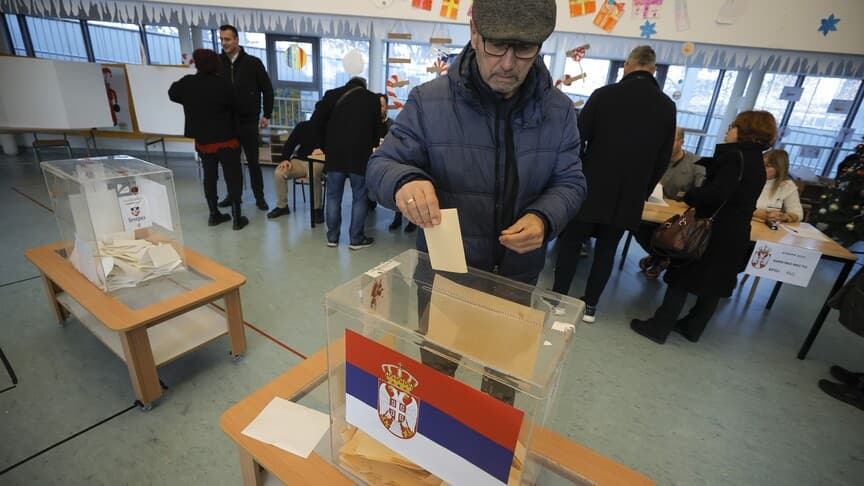
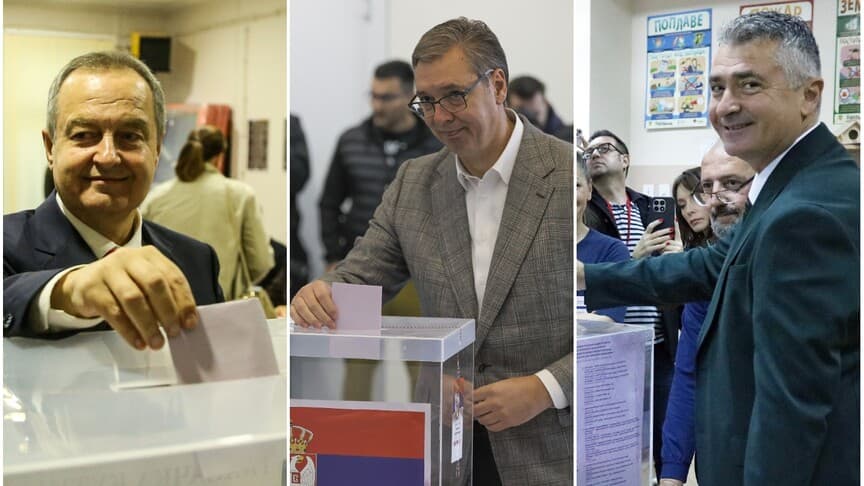
Elections to the Serbian National Assembly (parliament) are being held on October 25. Eighteen political forces are taking part in the electoral race. According to opinion polls cited by Gazeta.Ru, the main rivals will be the opposition 'Student List' and Aleksandar Vucic's 'United Serbia' coalition.
Expert assessment
Elena Guskova, head of the Center for the Study of the Contemporary Balkan Crisis at the Institute of Slavic Studies of the Russian Academy of Sciences, believes that relations between Russia and Serbia are unlikely to deteriorate sharply in the event of an opposition victory in the parliamentary elections. Thus, in the expert's assessment, the outcome of the vote does not necessarily mean a reversal of Belgrade's policy toward Moscow.
Context and significance
Earlier, Vucic named his main task in the event of being appointed prime minister of Serbia. Editorial note: the combination of Vucic's statements about cooperation with Russia and Guskova's expert assessment indicates that the topic of Russian-Serbian relations remains one of the key storylines of the campaign, regardless of which of the two leading forces — the ruling coalition or the 'Student List' — wins a majority. The election results will directly determine the composition of Serbia's government and, accordingly, the nature of its foreign policy contacts; final voting results had not been reported by sources at the time of publication.