The key facts
- NHTSA proposed lighting specifications for driverless vehicles, including cyan, but without making it mandatory
- NHTSA proposed light specifications for driverless cars, including cyan, but without making it mandatory
- GM will introduce a new computing platform and an OnStar AI assistant with the Cadillac Escalade IQ in 2028
- inDrive, Pony.ai and Nvidia signed a memorandum on robotaxi tests in Kazakhstan in 2027
- inDrive, Pony.ai, and Nvidia signed a memorandum on robotaxi tests in Kazakhstan in 2027
Regulator proposes the 'color of autonomy'
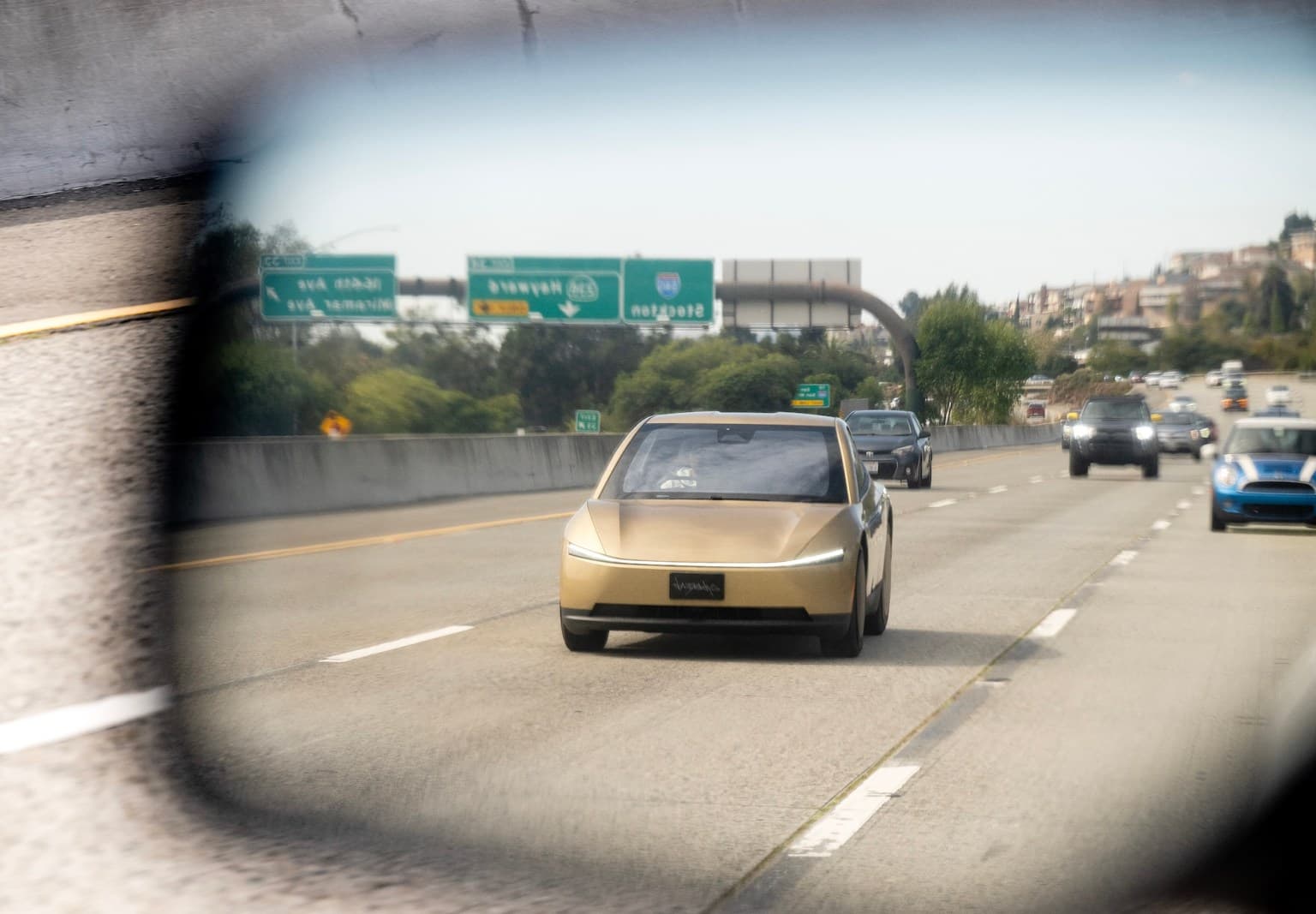
The US National Highway Traffic Safety Administration (NHTSA) has proposed new requirements for the lighting of autonomous vehicles. Under the proposal, the lights must be cyan (blue-green), burn steadily rather than flash, and be visible from the front, rear and sides. They must signal that the vehicle is operating in autonomous mode without a human monitoring the road. As TechCrunch notes, the agency is not proposing to make such lights mandatory, but is clearly seeking a single way to designate driverless vehicles. The proposal also sets specifications for the placement and activation of the lights and removes requirements for manual controls of turn signals, high beams and hazard lights. NHTSA head Jonathan Morrison called the initiative part of broader work to modernize rules that speed up the deployment of driverless vehicles while maintaining safety: the current FMVSS standards did not account for vehicles like the Tesla Cybercab and Zoox without pedals, steering wheels or mirrors.
GM is reworking its vehicles' electronics
At its annual GM Forward event, GM outlined plans to overhaul the electrical and computing architecture of its future vehicles for faster software, improved automated driving systems and a conversational AI assistant that will replace the 30-year-old OnStar service. The new features will debut in 2028 with the Cadillac Escalade IQ; at the same time, a hands-free highway driving feature will arrive, allowing the driver to fully take their hands off the wheel and eyes off the road without being ready to retake control. The company has also deployed corporate AI to cut the traditional four-to-five-year development cycle in half. According to TechCrunch, if GM's earlier similar initiatives read as attempts to catch up with Tesla, the automaker is now preparing for a much bigger fight — including against Chinese automakers.
Deals: Rivian, inDrive and Reliable Robotics
Rivian has acquired the British startup Third Dimension, founded by alumni of the gaming and drone industries, which uses AI to create realistic 3D worlds from images and video. Rivian's head of autonomy, James Philbin, explained the deal by the need to close 'the gap between simulation and reality'. The terms of the deal were not disclosed; it is known that the startup previously raised a $7 million seed round and has about 15 engineers, and Rivian did not report the acquisition in an SEC filing. Separately, the ride-hailing service inDrive, known for letting passengers and drivers negotiate fares, signed a memorandum of understanding with the Chinese autonomous driving developer Pony.ai and Nvidia to explore bringing Pony.ai robotaxis onto its platform; tests in Kazakhstan are planned for 2027. The aviation startup Reliable Robotics, which develops autonomous technologies for existing aircraft, raised $115 million: $90 million in equity led by Nimble Partners and $25 million in debt from Silicon Valley Bank. The Series D round has reached $275 million, and the company's valuation has exceeded $1 billion.
Tesla, Waymo and other news of the week
Tesla and SpaceX reported their third-quarter results, and Elon Musk's remarks about special committees formed at both companies to review a merger intensified the related speculation. SpaceX's AI business is growing faster than expected, bringing in $7.5 billion and 52% of the company's revenue; at Tesla, revenue stayed flat while expenses grew, and profit fell 43% year over year. Tesla has begun production of the Optimus humanoid robot in California, reported growth in FSD subscriptions while pushing the 'unsupervised version' to the second quarter of next year, and intends to begin selling the Cybercab to customers before the end of the year. Waymo announced plans to launch a robotaxi service in Spain, starting with Madrid, with service opening to passengers in 2027, and has also begun carrying customers to Harry Reid International Airport in Las Vegas. Google is adding to Gemini for cars 'personal intelligence' that uses Gmail data, Calendar, YouTube, Maps, and search history. GM is closing a plant south of Detroit that assembled battery packs for the Cadillac Celestiq and electric drive units and packs for the plug-in hybrid Chevrolet Corvette E-Ray: according to a company spokesperson, the closure is not related to the EV strategy but is due to the expiration of the lease. The Washington Post reported on a group running a campaign against robotaxis in Washington, D.C., with a mysterious origin; earlier, TechCrunch found that another such organization, the Coalition for Accountability and Road Safety, was registered to an employee of a New York lobbying firm that worked with unions and a compensation fund for New York's black car operators. Rivian CEO RJ Scaringe said that autonomy will make it possible to create fundamentally different types of vehicles than the current R1T pickup and the R1S and R2 SUVs.
Why it matters
The NHTSA proposal and the wave of corporate announcements show that autonomous transport is moving from the experimentation stage to a phase of standardization and mass product rollouts: from a unified visual designation for driverless vehicles to production models with AI assistants and Cybercab sales starting as early as the end of this year. For passengers and drivers, this means the appearance of recognizable signals about a vehicle's operating mode and new services such as Waymo robotaxis in Madrid and Las Vegas, while for the Central Asian market there are plans for inDrive and Pony.ai tests in Kazakhstan in 2027. The most immediate practical changes are the possible adoption of NHTSA rules on lights and controls, the start of Cybercab sales, and the expansion of robotaxi service coverage.