The key facts
- Thousands protested in Italy's major cities against rising prices, Meloni's government and the wars in the Middle East
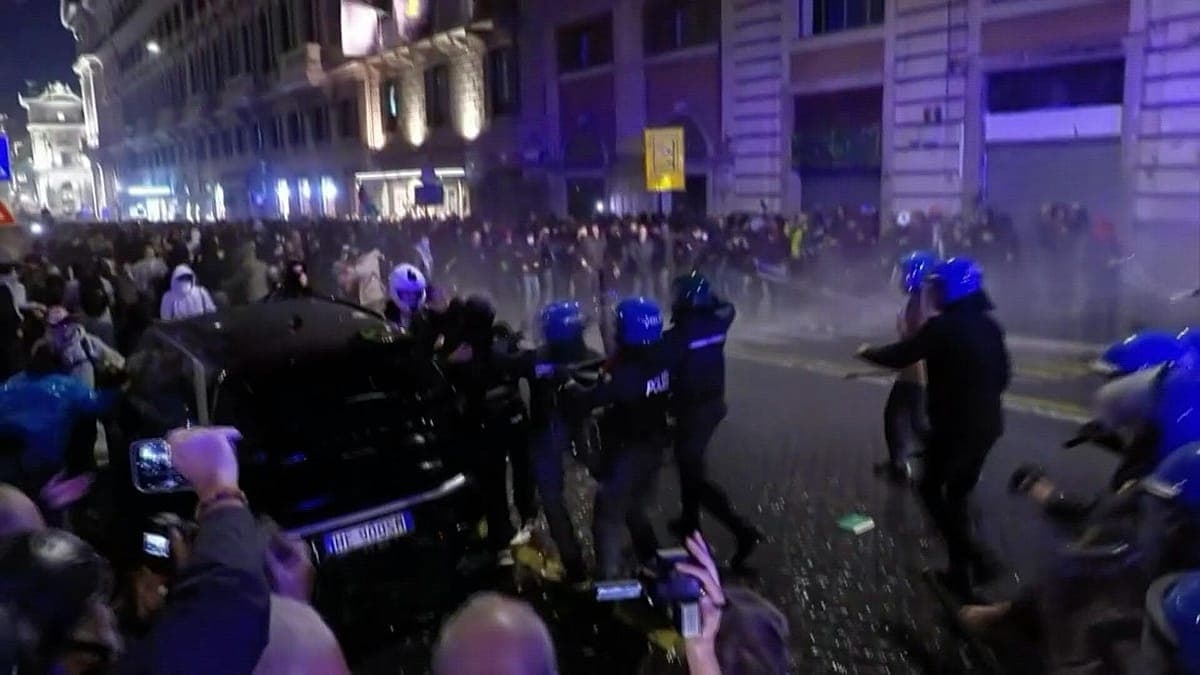
- Clashes with police were recorded in Turin, Florence, Bologna and Rome; in Bologna, water cannon and tear gas were used
- Day's tally: 9 arrested, 87 handed over to the authorities, 371 taken to police stations, including 110 minors and 69 foreign nationals
Mass demonstrations in Italy's major cities
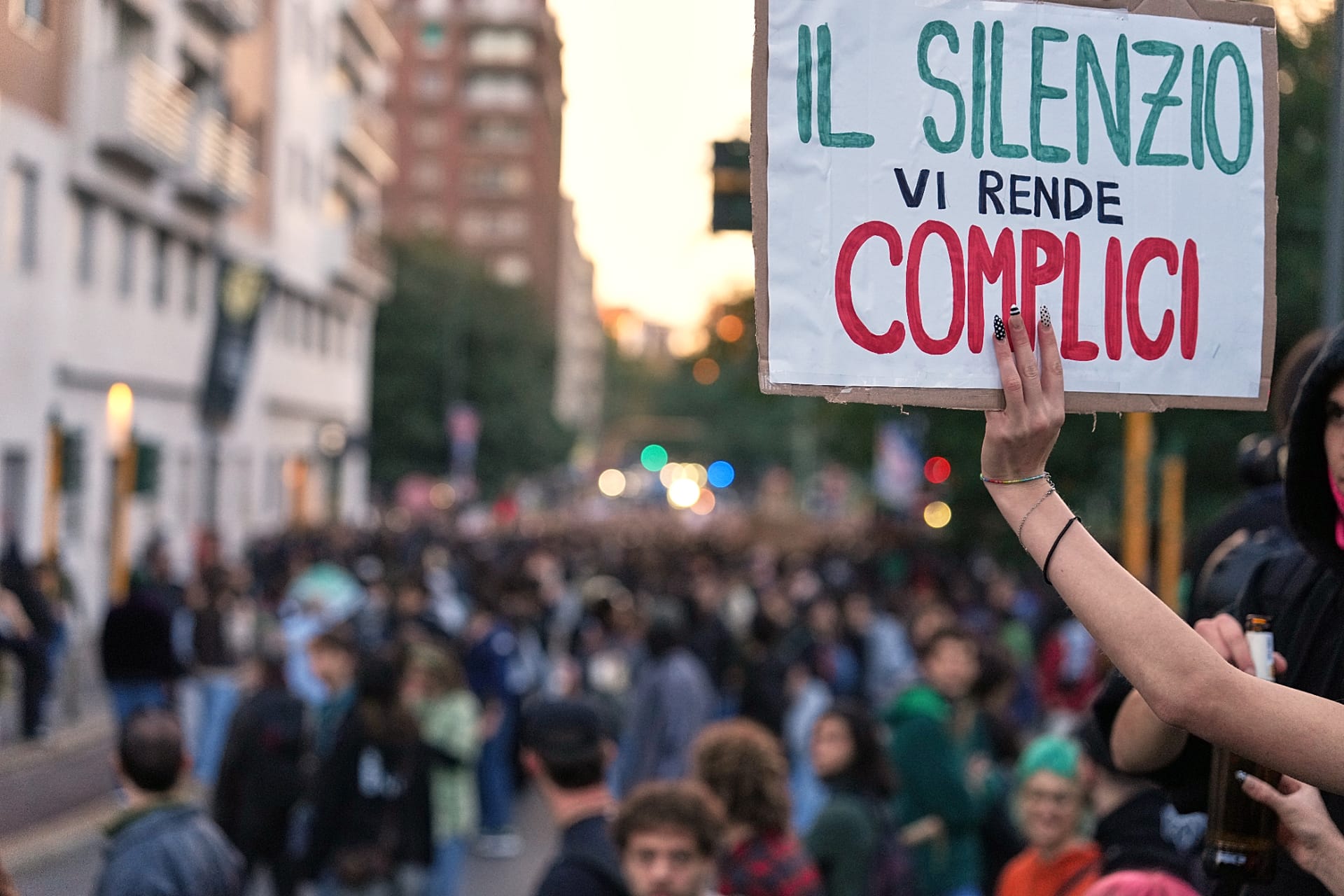
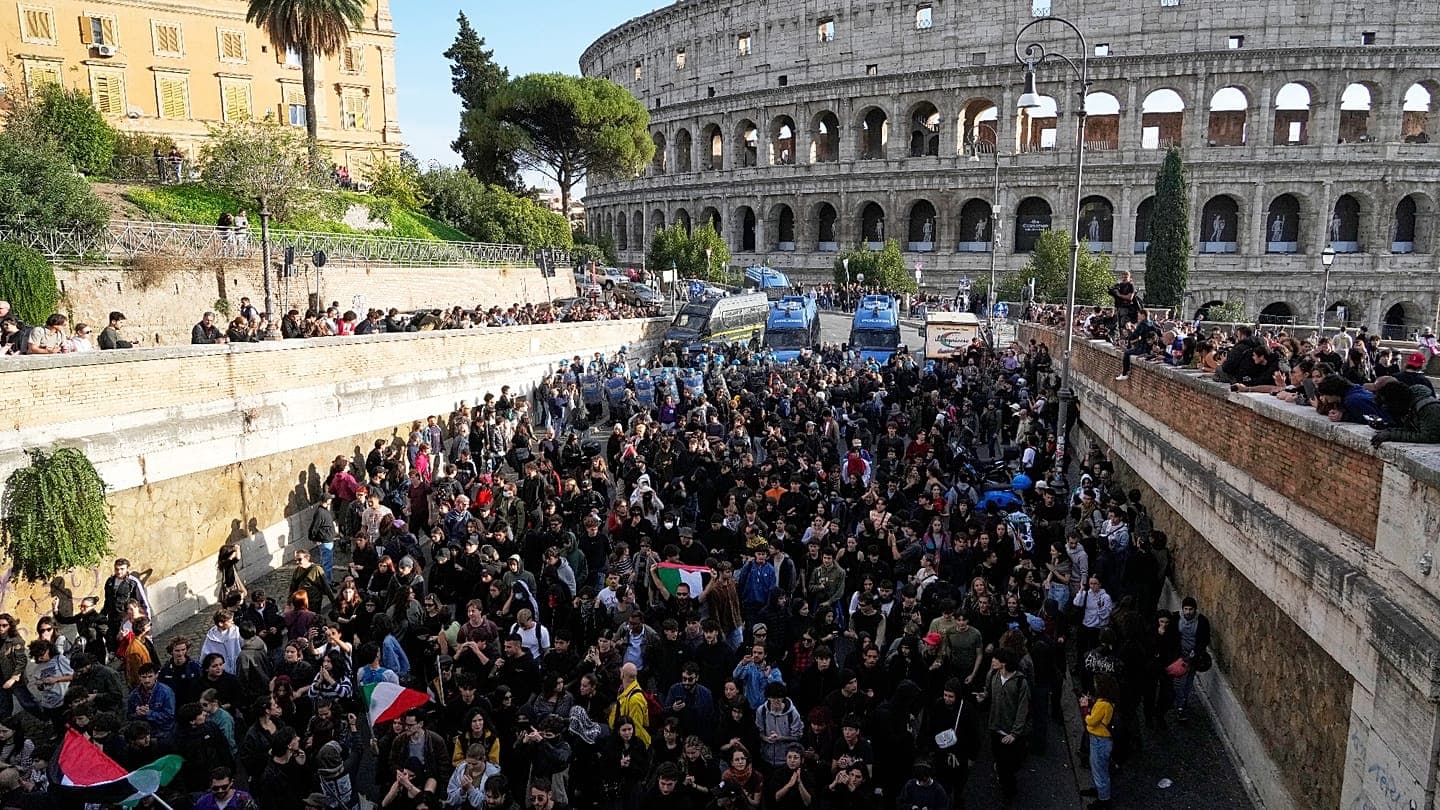
On Saturday, 25 October 2026, thousands of people took to the streets of Italy's main cities to protest against the rising cost of living, the government of Giorgia Meloni and the wars in the Middle East. The demonstrations were largely peaceful, but, as Euronews reports, tense episodes broke out in the evening in Turin, Florence, Bologna and Rome.
Heightened security measures
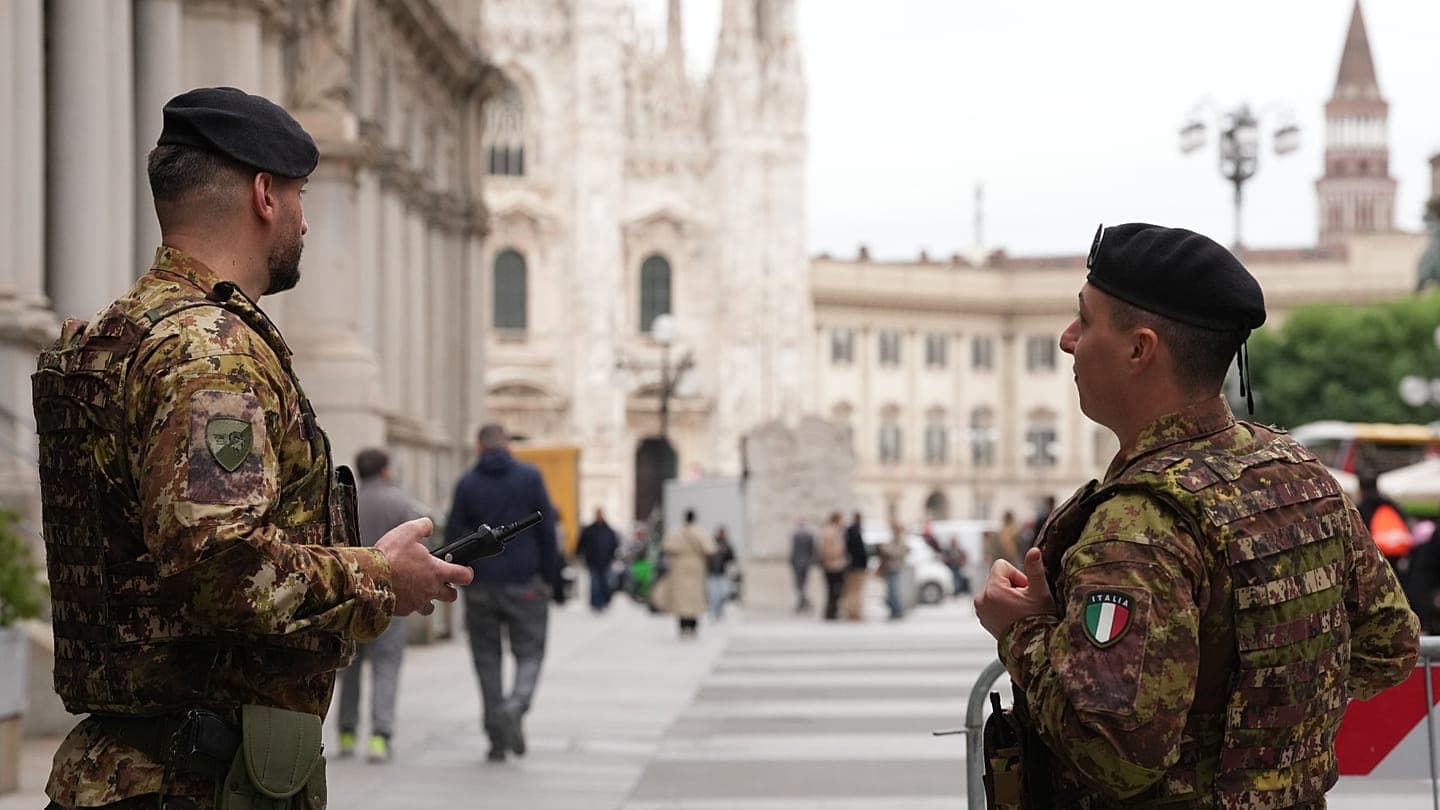
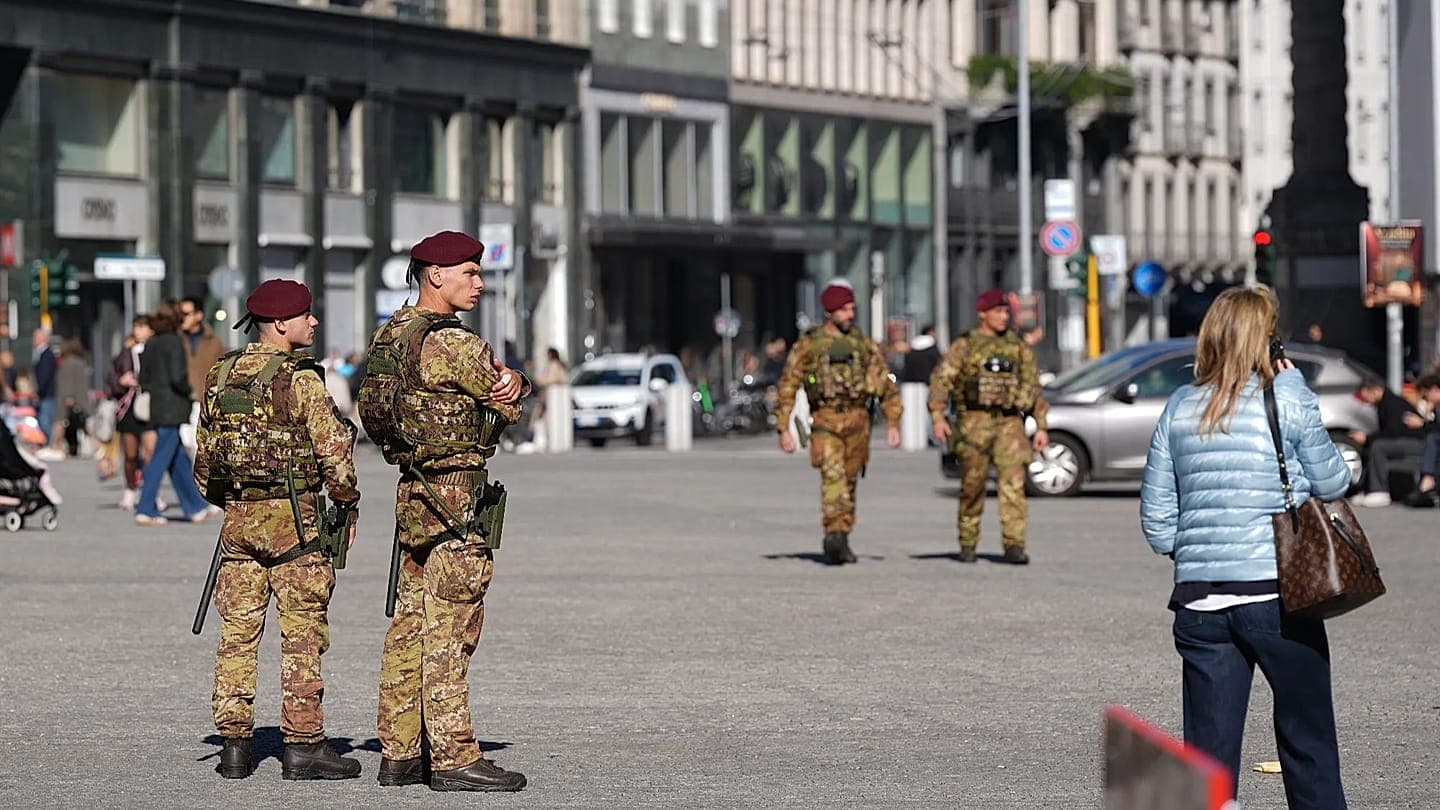
After the riots of the previous weekend, Italian authorities carried out a large-scale security operation: city centres were patrolled by police and military personnel. In Milan, an additional 500 soldiers were deployed in response to attacks on shops the previous Saturday. In Rome, Milan, Florence and Turin, protesters did not hold a single unified march — small groups gathered in different parts of the cities and then merged, repeatedly attempting to break through to the centres but being blocked by security forces.
Incidents in Rome, Florence and Bologna
In Rome, tensions rose when a small group of demonstrators broke away from the main column on Via Cavour and headed towards the Colosseum: the protesters managed to enter the Flavian Amphitheatre with slogans and placards, after which the authorities removed them. Later, a young demonstrator stood in front of a police water cannon vehicle as it drove several metres, and the man was nearly run over; police officers pulled him away by force, as can be seen in videos circulated on social media. In Florence, clashes occurred when demonstrators tried to cross the Ponte Santa Trinita: police held the cordon and used batons. In Bologna, the march was prevented from continuing towards Via Marconi and Via Reno; bottles and other objects were thrown at police, and water cannon and tear gas were used in response. One person was hospitalised after being struck by police. In Milan, according to Euronews, the situation was calmer: at least three marches merged and moved through the streets around the centre, with verbal altercations between protesters and some far-right activists.
Detentions and investigation
By the end of the day, according to the Department of Public Security, nine people had been arrested and 87 handed over to the authorities. A further 371 people were taken to police stations for identification, including 110 minors and 69 foreign nationals. In Milan, 30-year-old Youssef Sikher was detained: he is suspected of incitement to commit a crime in aggravating circumstances. According to the investigation, he stood behind the 'October 17 Movement' — a group through which, it is claimed, thousands of people exchanged information about taking part in the protests of the previous weekend.
The Prime Minister's reaction
On Saturday evening, Italian Prime Minister Giorgia Meloni praised those involved in the operation to manage the demonstrations in a social media post. “The right to demonstrate must always be guaranteed, as must citizens' right to live safely in their cities”, she said, adding: “Security must be guaranteed to everyone. To those who want to protest peacefully, to those who work, and to those who want to live in their city without fear. Leaving no room for those who seek only confrontation and violence.” The event affects residents of major Italian cities and anyone planning to take part in street demonstrations: the facts presented indicate that the presence of military personnel and heightened checks in city centres will continue, and that protest organisers using online groups are facing criminal investigation. The editorial team notes that the information is based on a single source, and the final figures on those detained may be updated.