The key facts
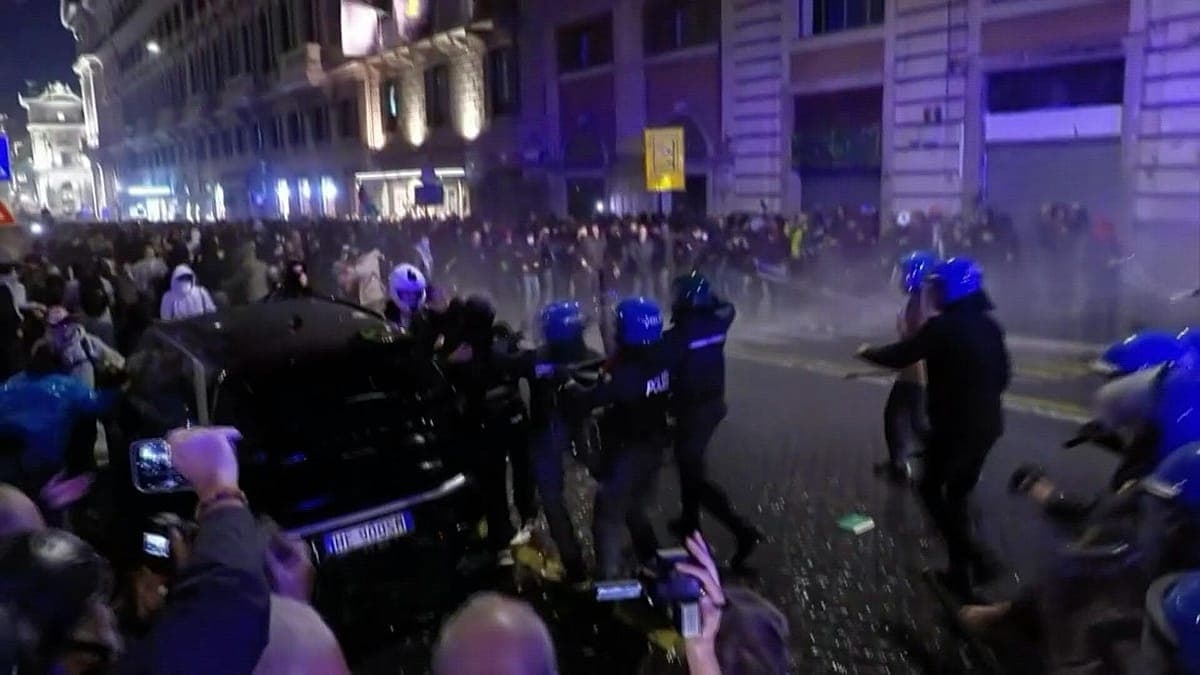
- On Saturday, protests took place in Milan, Rome, Turin, Naples, and a number of other cities; in several cities there were clashes with police.
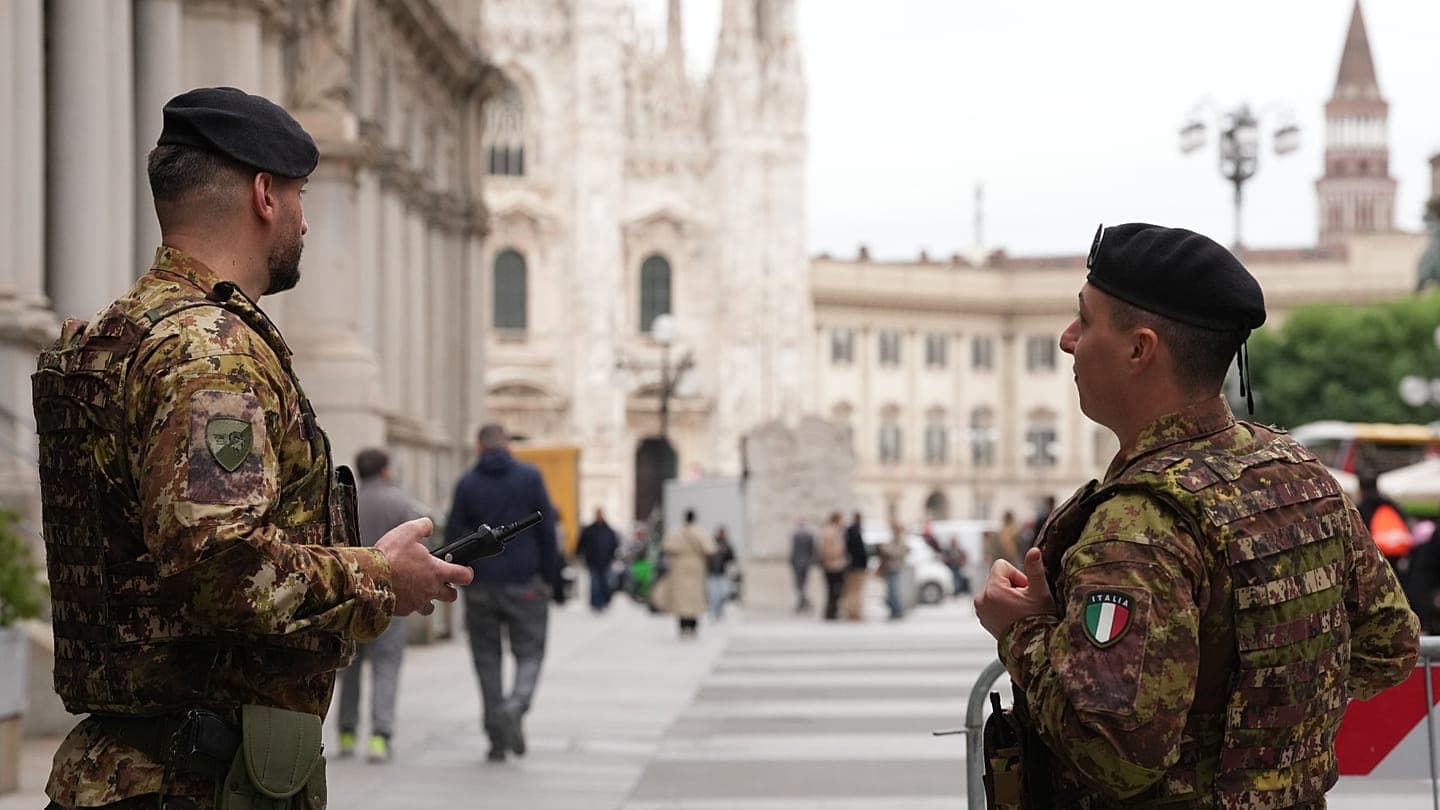
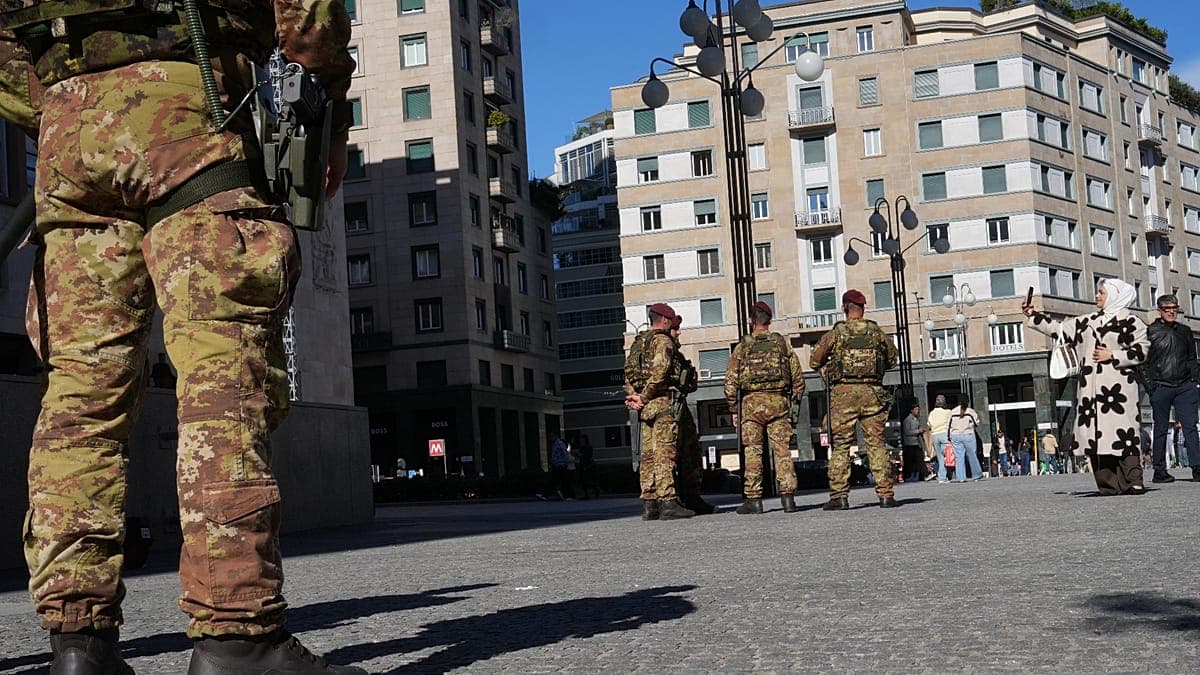
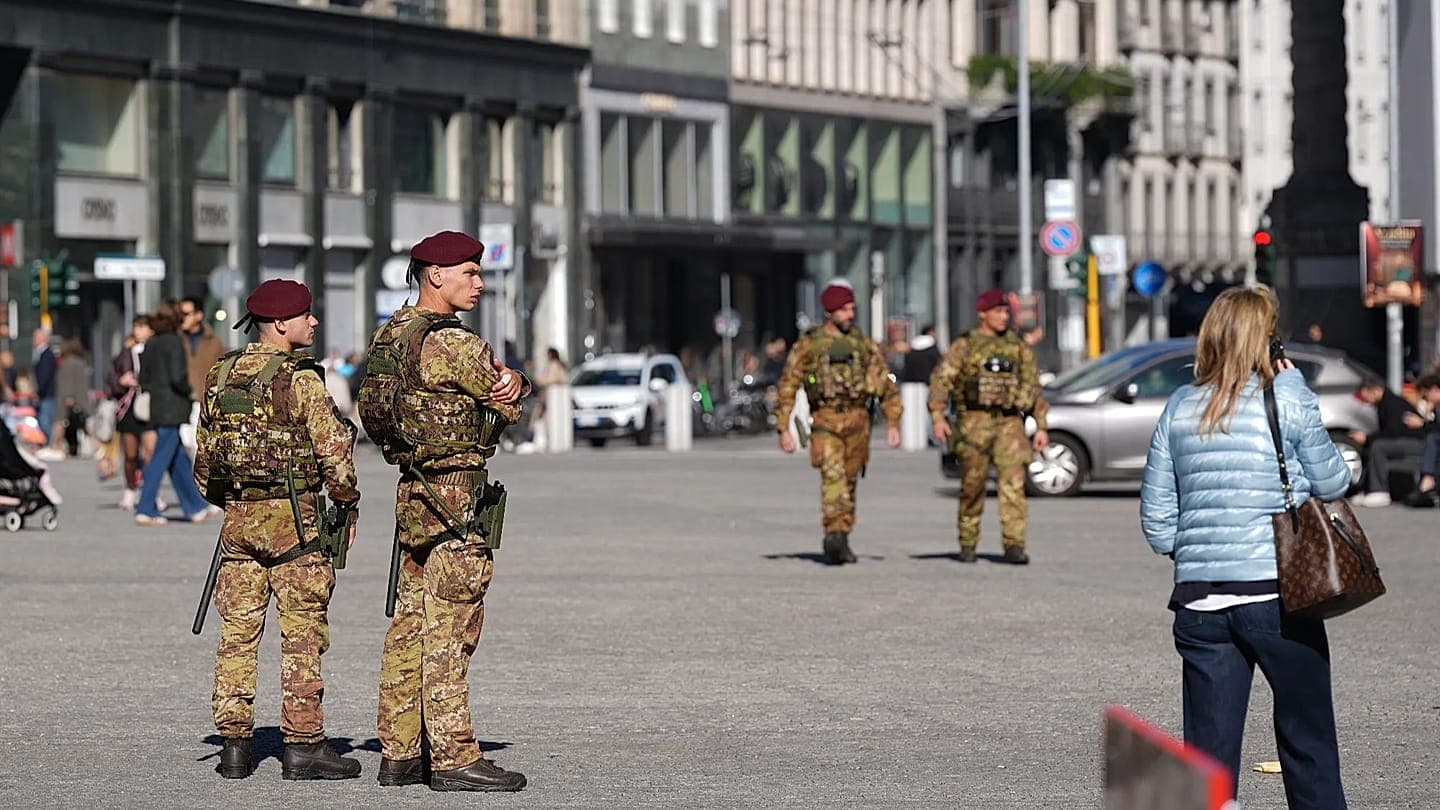
- The government sent an additional 500 troops to Milan; drone surveillance and station checks have been introduced.
- Police conducted more than 150 searches in Milan, Monza, and about 20 other cities; earlier, 45 people were detained in the riots, including 34 minors.
A new wave of protests swept across Italy
On Saturday, October 24, mass demonstrations took place in major Italian cities, driven by discontent over the rising cost of living, low wages, military spending, and the policies of Giorgia Meloni's government. Rallies were held in Milan, Rome, Turin, and Naples, as well as, according to the Russian version of Euronews, in Genoa, Bologna, Florence, Padua, and Verona. The day before, authorities sent hundreds of additional troops to the cities, fearing a repeat of the riots of the previous weekend, when clashes between demonstrators and police caused serious damage in central Milan.
Clashes in several cities
According to Euronews, in Rome in the evening, near Largo di Santa Susanna, demonstrators threw bottles and firecrackers at police and knocked down road signs; police deployed water cannons. In Milan, two demonstrations — by students, activists, and supporters of the Palestinian movement — merged into a single column of about 10,000 people, which headed toward Piazza Leonardo da Vinci near the Polytechnic University of Milan. In Turin, near the Mosca bridge, protesters threw stones, bottles, and smoke bombs at police officers, who responded with tear gas. In Bologna, medics treated an injured young participant on Via Marconi; in Florence, near the Santa Trinita bridge, some demonstrators tried to break through the police cordon.
Security measures and searches
Meloni's government ordered an additional 500 troops to be sent to Milan, reinforcing forces already deployed there. Drone surveillance, checks at railway stations, and mobile rapid-response units have been introduced. On Saturday morning, police carried out more than 150 searches in Milan, Monza, and about 20 other cities as part of the investigation into the riots of October 17–18; according to media reports, those searched included suspects in involvement in the riots, including students and minors. Interior Minister Matteo Piantedosi suggested that the earlier clashes may have been coordinated; police are examining correspondence in online groups ahead of the new rallies.
Demonstrators' demands and background of the events
In Rome, a nationwide rally was held under the slogan 'Do not drag Italy into war' — against military involvement and increased defense spending. In Turin, protesters demanded an end to the arms buildup, lower fuel prices, and better access to housing, education, and healthcare; in Naples, people protested against economic hardship. In Castel Volturno near Naples, a march of thousands was expected against plans to create a migrant detention and deportation center — it was supported by religious and charitable organizations, migrant associations, and agricultural workers. The 'October 17' movement, associated with the mobilization, announced the cancellation of previously announced rally locations: new meeting points are announced shortly before the marches begin, which, according to police, complicates preparations for security forces. According to police, about 2,000 young people took part in the riots of October 17–18; 45 people were detained, 34 of them minors. Meloni condemned the violence and promised a tougher response to attacks on police officers and businesses. The protests in Italy are taking place against the backdrop of demonstrations in France, Spain, Portugal, and Albania.
Significance of the events
The wave of protests primarily affects residents of Italy's largest cities: the deployment of military reinforcements, searches, and station checks directly change everyday life, while the detentions, including of minors, affect young people. In practical terms, the events mean that heightened security measures will remain in Milan and other cities, and investigations into the recent riots will continue. It remains unclear whether the 'October 17' movement's tactic of sudden meeting points will lead to new clashes — sources report only the authorities' concerns, not confirmed new major incidents beyond those described above.