The key facts
- The ultra-Orthodox — about 14% of Israel's population — were until recently exempt from military service; subsidies to the community are estimated at 35 billion shekels (£8.4 billion) a year
- Ultra-Orthodox — about 14% of Israel's population — were until recently exempt from military service; subsidies to the community are estimated at 35 billion shekels (£8.4 billion) a year
- The Supreme Court ruled two years ago that the exemption was invalid, triggering mass Haredi protests
- Netanyahu's coalition has fallen from 64 seats in 2022 polls to roughly 50–52, and all of his rivals favour abolishing the exemption
- Netanyahu's coalition has fallen from 64 seats in 2022 polls to roughly 50–52, and all his rivals favour abolishing the exemption
Clashes in the heart of Israel
In early October, in the city of Modi'in, between Jerusalem and Tel Aviv, hundreds of ultra-Orthodox men in white shirts, black hats and long black coats clashed with military police. The trigger was an attempt to arrest a young Haredi man who had failed to report for military service. The BBC has reviewed video of the incident; similar clashes have occurred repeatedly in recent months, deepening one of the most profound rifts in Israeli society. The conflict is unfolding against the backdrop of the wars Israel is waging, including the unresolved conflict with Hamas in Gaza and rising violence by extremist settlers against Palestinians in the occupied West Bank.
A growing community and its special status
The ultra-Orthodox (Haredim), once a tiny minority, today make up, by estimates, about 14% of Israel's population, and birth rates in the community are significantly higher than among other Israelis. If current growth rates continue, they could reach a third of the country's Jewish population by 2050. The subsidies that allow them to devote themselves to full-time religious study cost the government, by estimates, 35 billion shekels (£8.4 billion) a year, and until recently the community was exempt from military service. The exemption dates back to the state's earliest years, when the Haredim were a small community of Holocaust survivors. Religious students and their rabbis believe that the army would distract young people from the community, and that Israel's spiritual protection comes precisely from Torah study. One of the community's oldest leaders, Rabbi Dov Landau, said after October 7 that religious students should not serve and should not even visit the wounded or attend soldiers' funerals: 'Salvation comes only through Torah study... The more Torah scholars, the better. They protect us.'
Society against exemptions
In the rest of Israeli society, this position is not popular: polls show that support for drafting the ultra-Orthodox rose steadily during the Gaza war. Many view refusal to serve as shirking responsibility at taxpayers' expense. The army complains of a shortage of personnel, while many Israelis have had to serve hundreds of days over the past three years. Political scientist and sociologist Dahlia Scheindlin notes that the issue is felt most acutely among right-wing communities, outraged that the government maintains a full exemption while members of nearly every sector of Jewish society serve and die. Two years ago, the Supreme Court ruled that the exemption was effectively invalid, opening the way to drafting students of religious institutions. The response was protests by hundreds of thousands of Haredim, who blocked major highways and attempted to disrupt the arrests of draft evaders.
The elections and the fate of Netanyahu's coalition
The issue has become central to the elections as well. The traditional Haredi parties — United Torah Judaism (UTJ, Ashkenazim) and Shas (Sephardim and Mizrahim) — were part of Netanyahu's coalition and used their influence to block implementation of the court ruling, repeatedly threatening to leave the government. UTJ did indeed leave the coalition, while continuing to support it from the outside; Shas remained within. Without these parties, Netanyahu's alliance falls short of the 60 seats needed for a majority in the Knesset. According to Scheindlin, the refusal to give up the exemption is one of the main reasons the coalition has fallen from 64 seats in 2022 to roughly 50–52 in current polls. All of the prime minister's rivals favour abolishing the exemption and cutting funding for those who evade the draft; on the left, Yair Golan has called for the immediate mobilisation of those fit to serve. Centrist-right Gadi Eisenkot, Netanyahu's main rival in these elections, said: 'A country that sends its best sons and daughters to fight and sacrifice their lives cannot tolerate the existence of a state within a state'. The temperature of the debate was also raised by UTJ candidate Eliyakim Stark, who compared the situation of draft-evading Haredim to the persecution of Jews during the Holocaust — his remarks drew angry condemnation from the opposition across the spectrum.
Hardline positions and attempts at compromise
Within the community itself, positions are hardening, according to activist Daniel Goldman: Haredi parties see the state's demands as an attempt to 'take their boys' out of the community. Former minister Yitzhak Goldknopf of UTJ went as far as an ultimatum: 'Haredim will not change their way of life because of the army and the war... If there is no choice and they are forced to leave the country, they will leave'. At the same time, a new 'Haredi Public Party' emerged this year offering a compromise: everyone not engaged in full-time Torah study should serve, within a framework that allows them to 'enter as Haredi and leave as Haredi'. For the first time, the party is fielding two female candidates; one of them, Ziva Ginz, set out this position in an interview with the BBC. Commentator Anshel Pfeffer, however, believes it will be difficult to influence the Haredi base electorate, which votes on the rabbis' instructions, in this cycle. Meanwhile, the far-right Itamar Ben-Gvir, whose Jewish Power party is gaining in the polls, has become the only non-Haredi leader actively reaching out to young ultra-Orthodox, and for some of them he looks like the closest alternative.
What next
No alliance, according to the polls, is close to an absolute majority, so after the vote, complex coalition negotiations are inevitable. Shaindlin believes it would not be difficult to lure the Haredi parties away from Netanyahu, but the opposition will not do so without serious concessions on conscription, since it is building its platforms on this issue. The outcome may turn out to be paradoxical: instead of their usual role as 'kingmakers', the ultra-Orthodox parties this time may contribute to the fall of the king himself. It remains unclear whether Netanyahu will manage to hold the coalition together and whether a workable compromise can be found between the army's demands and the rabbis' position — the outcome of the elections scheduled for this month will show this only in part.
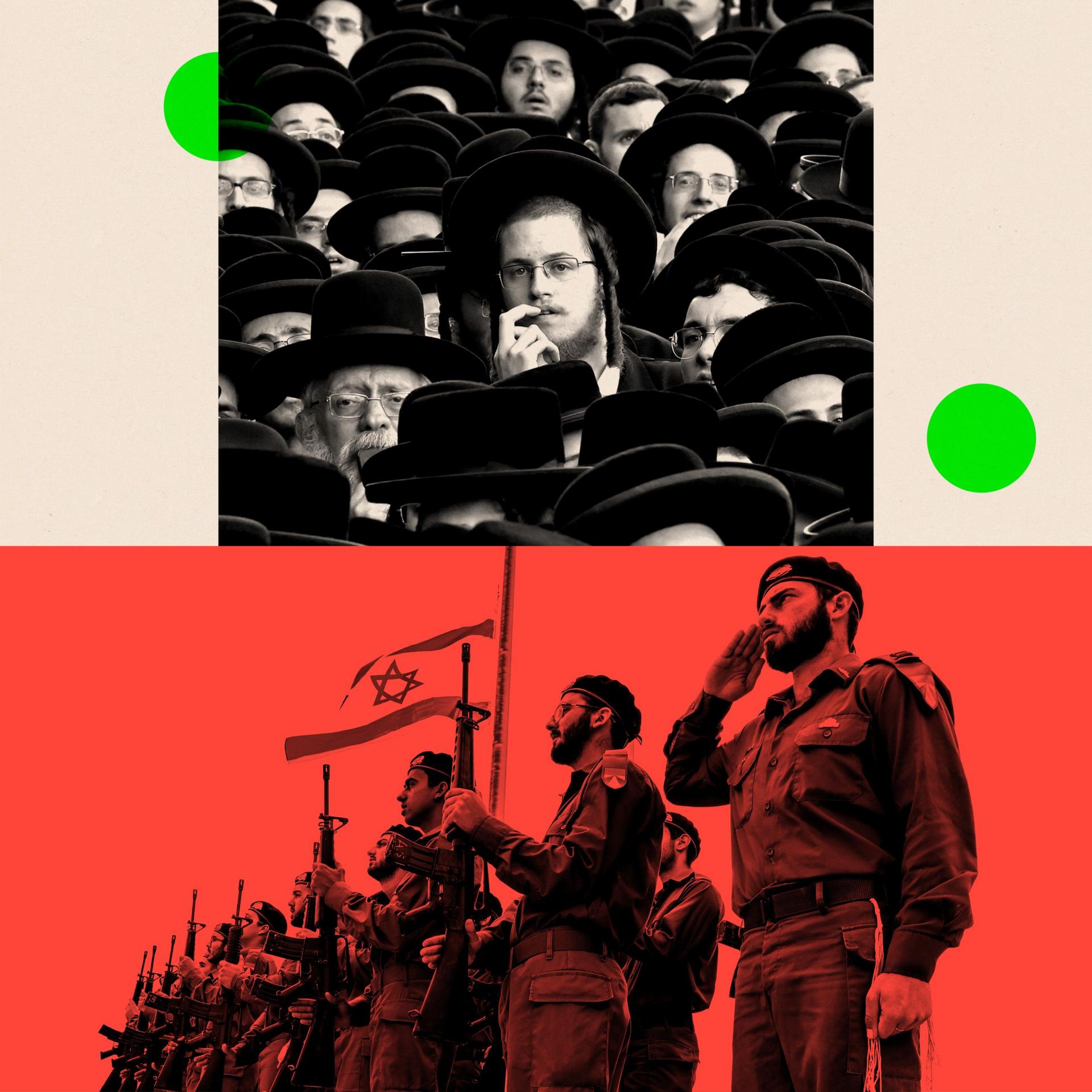

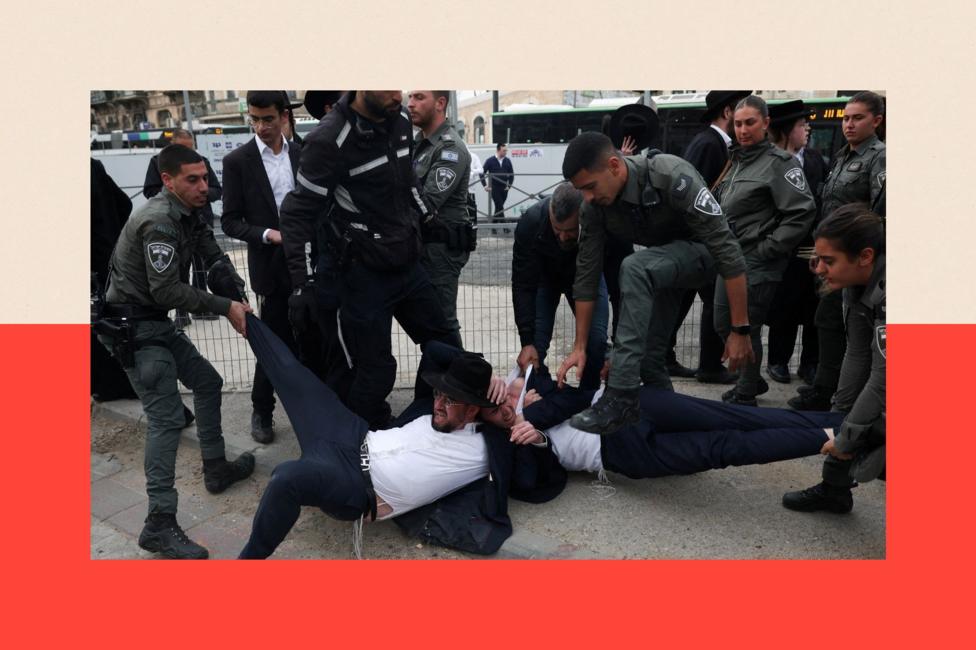 Image source, Reuters
Ultra-Orthodox Jews have staged many protests against being drafted into the military
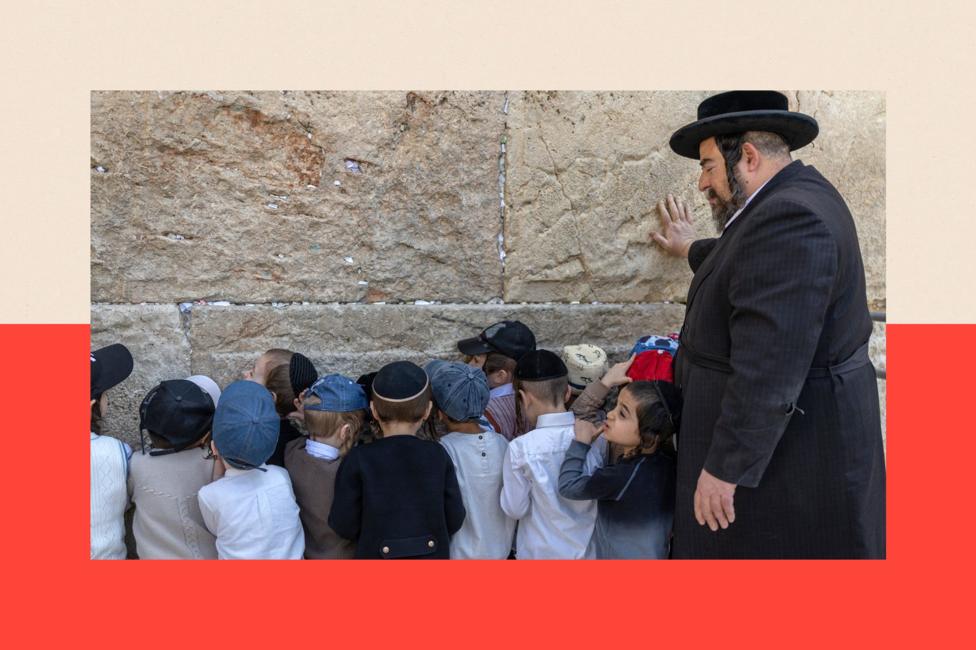 Image source, AFP via Getty Images
The Haredi birth rate is higher than in the rest of Israeli society
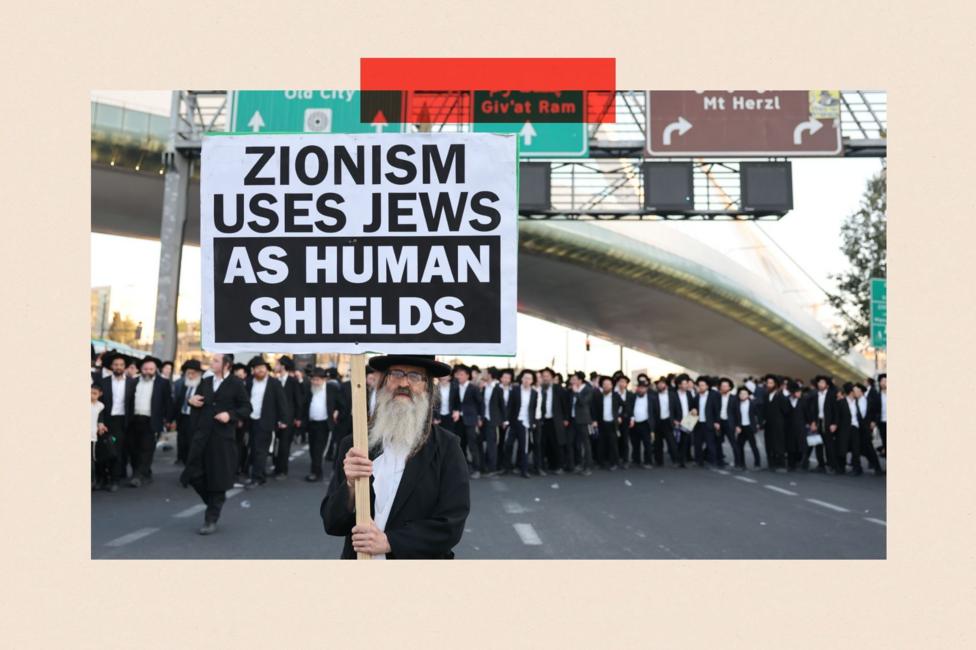 Image source, EPA
Protesters have blocked key highways
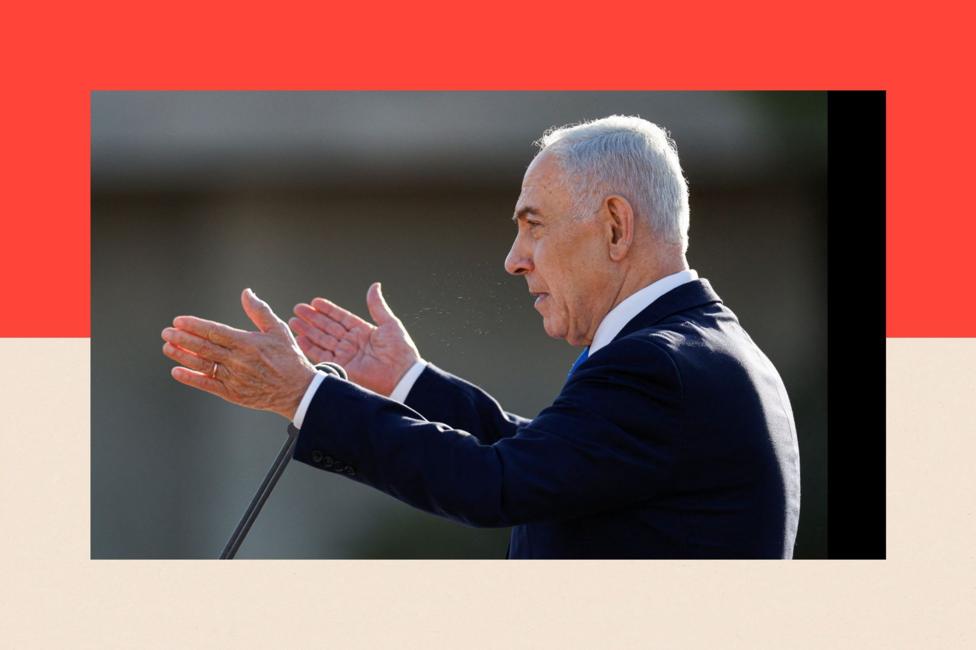 Image source, Reuters
Benjamin Netanyahu is relying on Haredi support which may not materialise
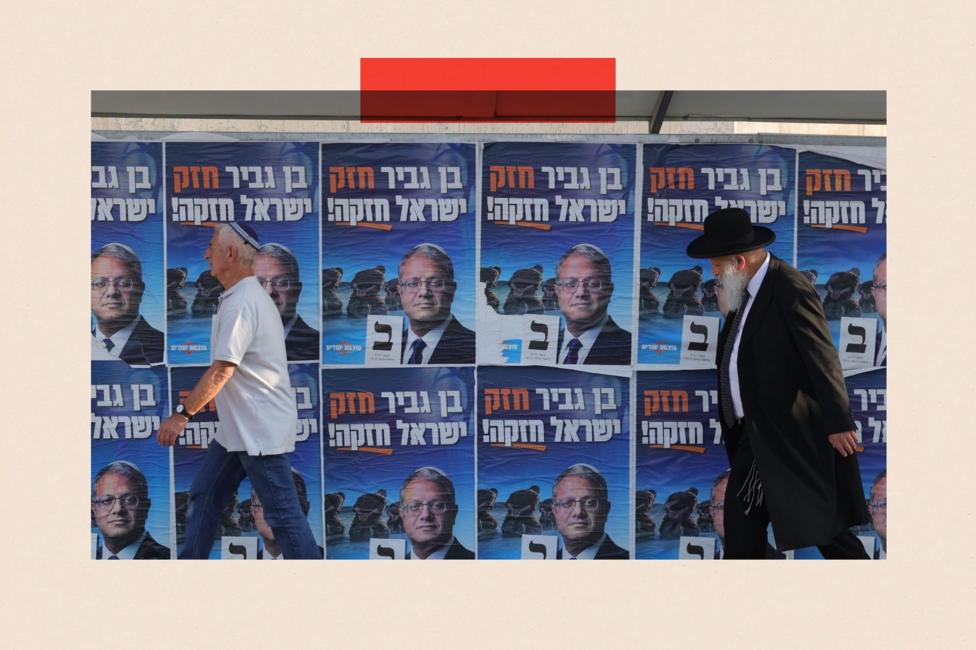 Image source, EPA
Ben-Gvir is making inroads with Haredi voters
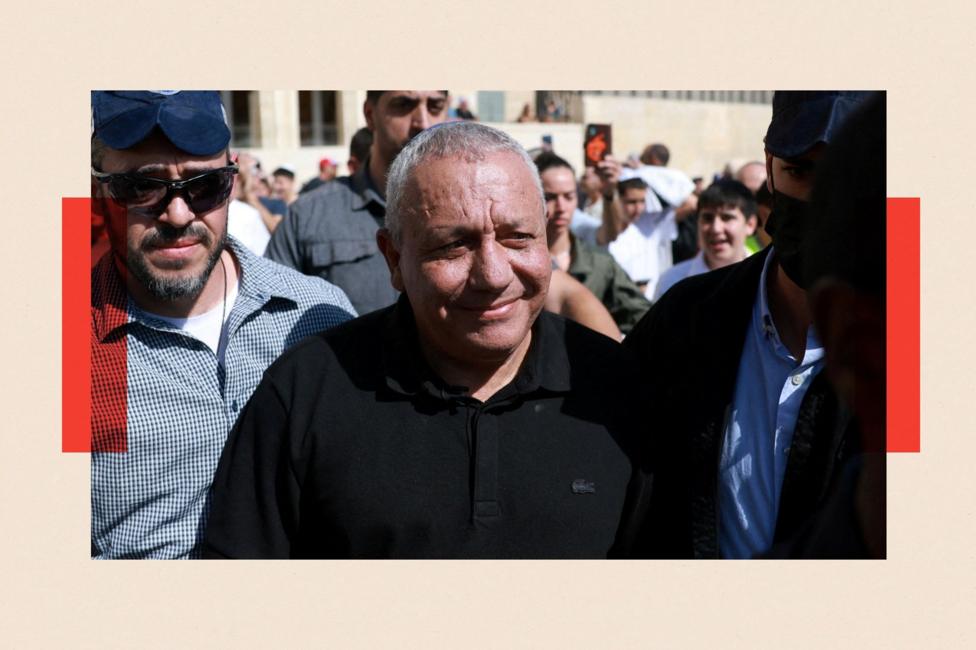 Image source, Reuters
Gadi Eisenkot has been firm in his support for Haredi Jews serving in the military