The key facts
- Monthly payment of 500 riyals ($133) for government employees, military personnel, pensioners and some social security recipients
- The minimum wage of a Saudi in the private sector, for counting toward the Saudization quota, will rise to 5,000 and then to 6,000 riyals
- The measures will take effect before the electricity and water tariff changes scheduled for January 1
Support package ahead of tariff increases
Saudi Arabia has announced a package of measures designed to soften the impact of rising electricity and water prices. As Saudi Press Agency reported on Sunday, the measures will take effect before the tariff changes scheduled for January 1. King Salman, on the proposal of Crown Prince Mohammed bin Salman, ordered monthly payments of 500 riyals (about $133) to civilian and military government employees, pensioners, and households meeting the criteria and receiving social security benefits. The payment also extends to certain relatives of deceased persons covered by the social insurance system.
Minimum wage increase in the private sector
The package also includes raising the minimum wage requirements for Saudi citizens working in the private sector, as part of the Nitaqat initiative to encourage the hiring of Saudis. The minimum monthly wage at which a Saudi employee counts as a full-fledged worker in a company's Saudization quota will rise to 5,000 riyals — this change will take effect six months after implementation begins. Then, 12 months after the first increase, the threshold will rise to 6,000 riyals. According to Saudi Press Agency, the package is intended to soften the impact of the tariff changes while also supporting wage levels and long-term employment of Saudis in the private sector.
Context: pressure on the economic program
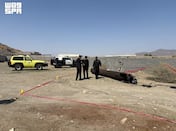
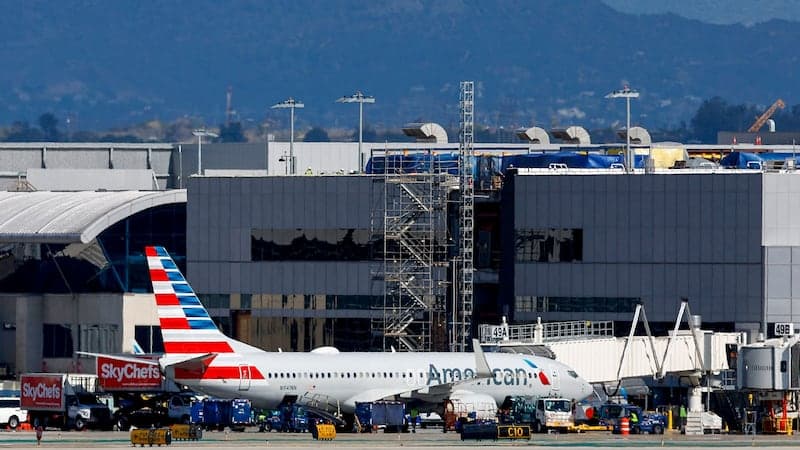
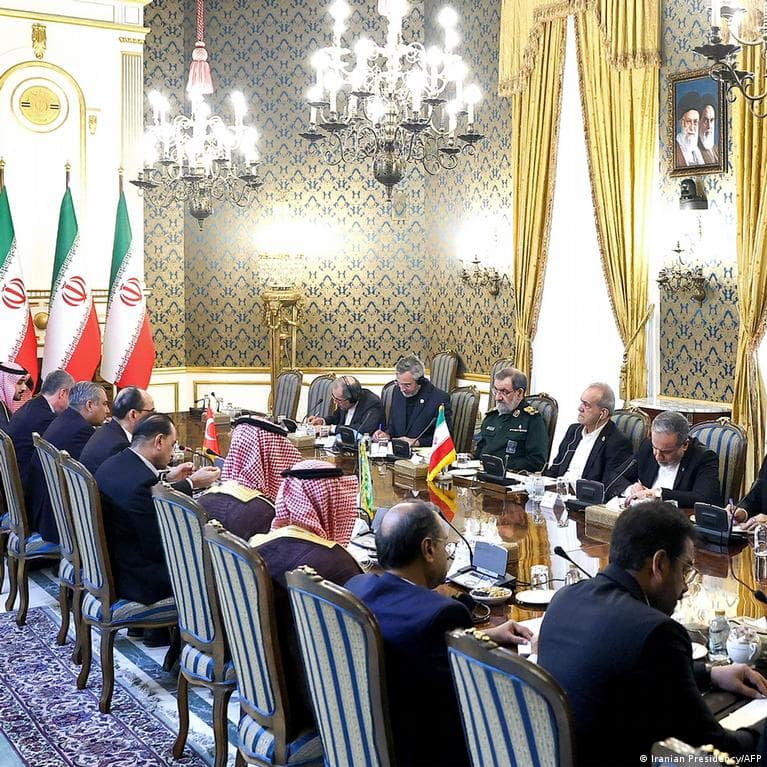
According to The National, alongside these measures the kingdom is facing a growing number of attacks by Yemen's Houthis, who disrupted operations at Riyadh airport and paralyzed part of the capital, which, in the outlet's assessment, threatens plans to restructure the economy and attract foreign investment. The attacks come as Saudi Arabia implements Vision 2030 — a program launched by Prince Mohammed ten years ago to reduce dependence on oil and turn the country into a hub for tourism, international events and transnational business. The outlet notes that the strategy is already facing challenges from the wider war in the Middle East, including Iranian attacks on US allies in the region, and the new Houthi campaign adds further pressure: strikes are targeting critical infrastructure, including oil fields and airports.
Why it matters
The decision directly affects government employees, military personnel, pensioners and social assistance recipients, who will receive a fixed compensation before electricity and water bills rise on January 1. For private businesses, it means a change in the rules for counting Saudi employees toward Saudization quotas: the minimum wage threshold will rise in stages to 5,000 and then 6,000 riyals. In practice, companies will have to review the wages of Saudi employees to keep meeting Nitaqat quotas, while the population will have to adjust to the new tariffs from the start of the year.