The key facts
- Turnout by 19:00 stood at 67.6%, compared with a final 58.77% in the December 2023 elections
- 6.45 million voters; 18 lists are competing for 250 seats in parliament
- Vucic, who resigned as president in September, is running for prime minister via the SNS list
Voting closed with record turnout
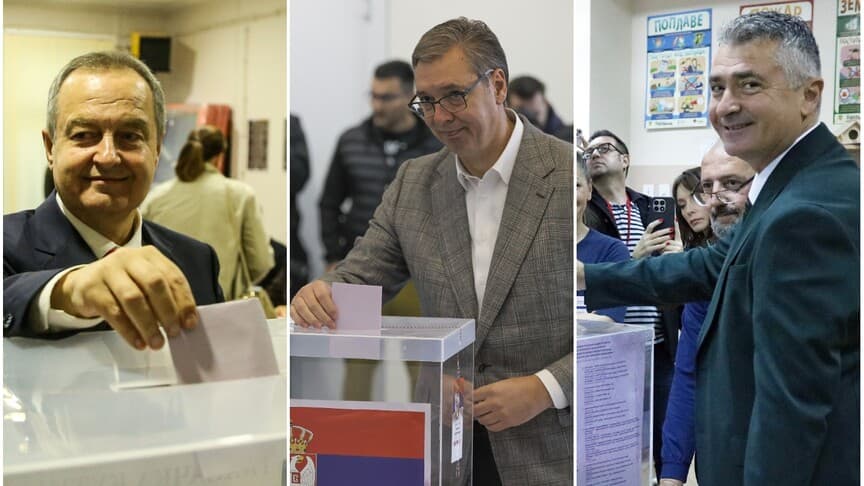
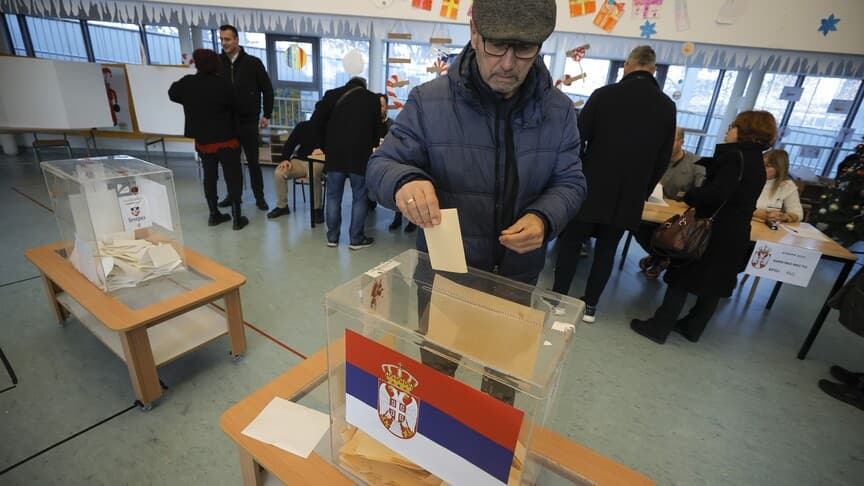
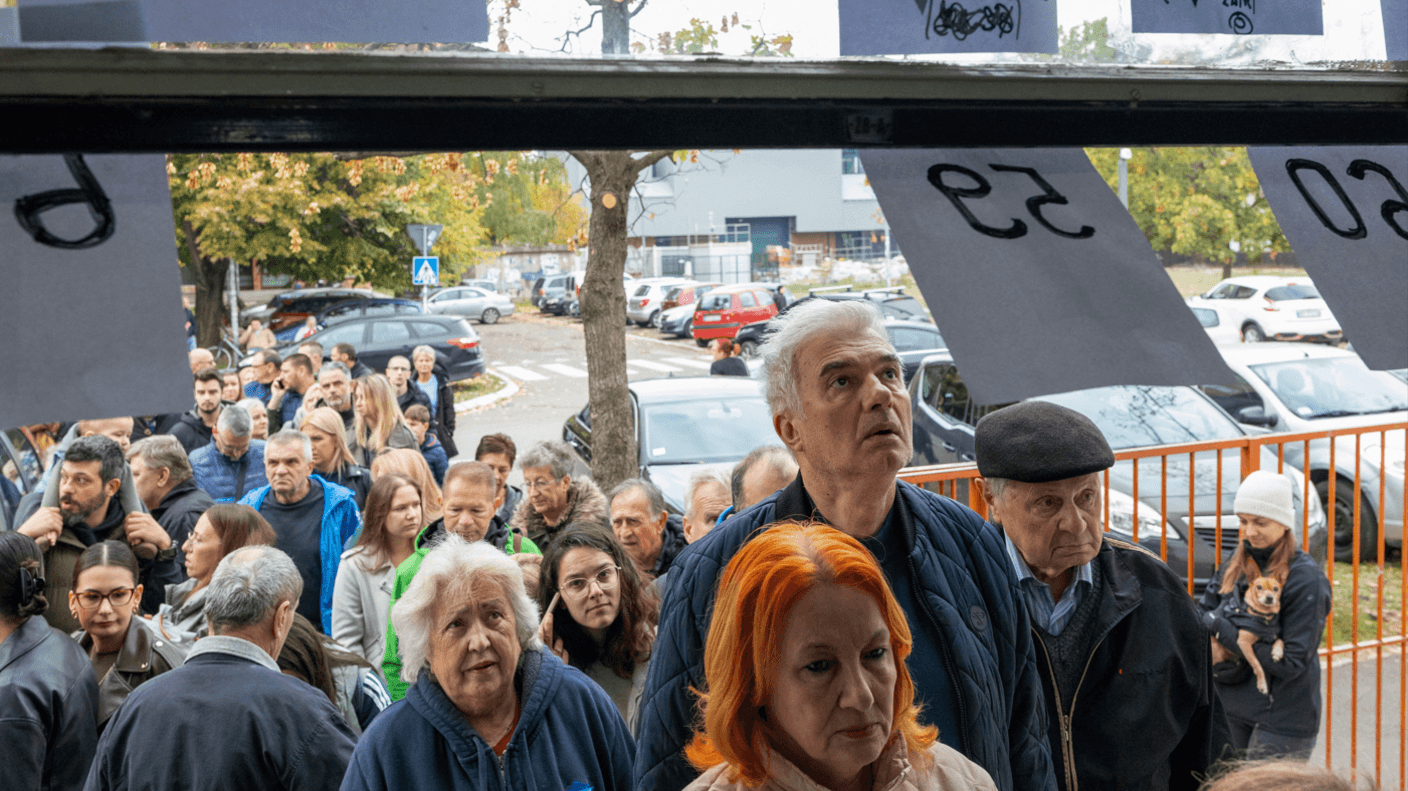
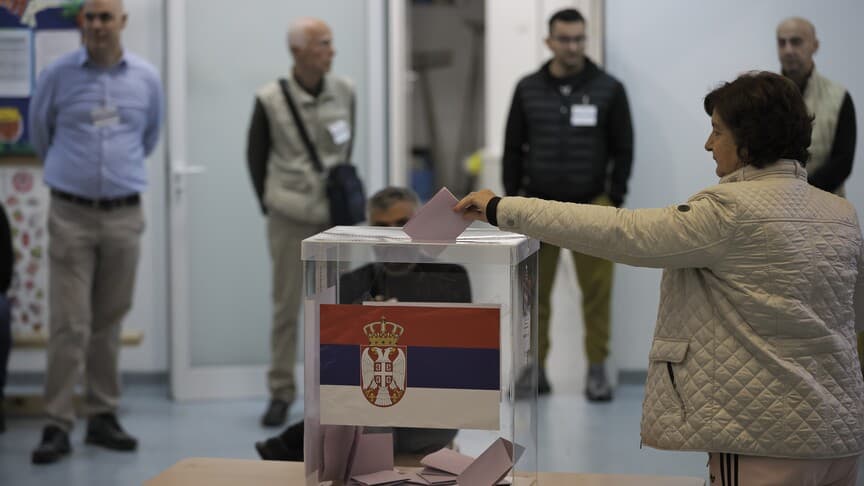
Polling stations across Serbia closed at 20:00 local time on Sunday after early parliamentary elections that were marked by high voter turnout and reports of voting irregularities, Anadolu reports. According to estimates by the Ipsos agency and the Center for Free Elections and Democracy (CeSID), turnout had reached 67.6% by 19:00 — 8.83 percentage points higher than the final turnout of 58.77% at the previous parliamentary elections in December 2023. The final turnout will be announced after all votes are counted, with the first preliminary results expected before midnight.
How the elections are organized and the timeline for forming a government
About 6.45 million registered voters were eligible to vote; 18 electoral lists are competing for 250 seats in the National Assembly, nine of which represent national minorities. To enter parliament, lists must win at least 3% of the votes; the threshold does not apply to national minority lists; seats are allocated under the D'Hondt system of proportional representation. Under Serbian law, the Republican Electoral Commission (RIK) must publish a consolidated report on the results within 96 hours of receiving all consolidated reports from polling stations and allocate mandates within 10 days of publication. The new parliament must be formed within 30 days of the publication of the final results, and the new government within 90 days of the parliament's constitution. Serbian citizens abroad could vote at 93 polling stations in 37 countries; 102,147 voters were registered to vote abroad.
Observers and campaign context
The elections were monitored by numerous international and domestic observers, including missions from the OSCE ODIHR, the Parliamentary Assembly of the Council of Europe and the European Parliament; observers from the United States, the Russian State Duma and other national parliaments were also registered. The early elections were called on 9 September by decree of then-president Aleksandar Vucic, who dissolved parliament at the proposal of the government of 7 September. These are the 15th parliamentary elections since the introduction of multiparty politics in 1990 and the 10th early elections. The vote is taking place against the backdrop of months of student protests and a political crisis, after which Vucic resigned as president in September and now seeks to return to power as prime minister through the ruling Serbian Progressive Party (SNS), running under the list 'Aleksandar Vucic — United Serbia'. Among the competitors is the student-backed list 'Student List — Students Win', which emerged after the protests over the collapse of a canopy at the Novi Sad railway station in November 2024, which killed 16 people. The student movement demanded accountability for the disaster, greater transparency, and reforms to strengthen the rule of law and state institutions. Also running are the Socialist Party of Serbia led by Ivica Dacic, the pro-European 'Serbia Against Violence' coalition and the nationalist 'Authentic Right' bloc.
Why it matters
The election result will determine whether Vucic can return to power as prime minister, or whether the student movement, which grew out of the protests after the deaths of 16 people in Novi Sad, will establish itself in parliament. The distribution of the 250 mandates directly affects the timeline for forming a government — by law it must be created within 90 days of the parliament's constitution. Until the results are counted, the outcome of the contest between the ruling SNS and the student-backed list remains open.