The key facts
- On Saturday, October 24, thousands of people took to the streets of Tirana in an anti-government protest; police used tear gas, dozens were detained, and authorities report more than 300 injured among protesters and police officers.
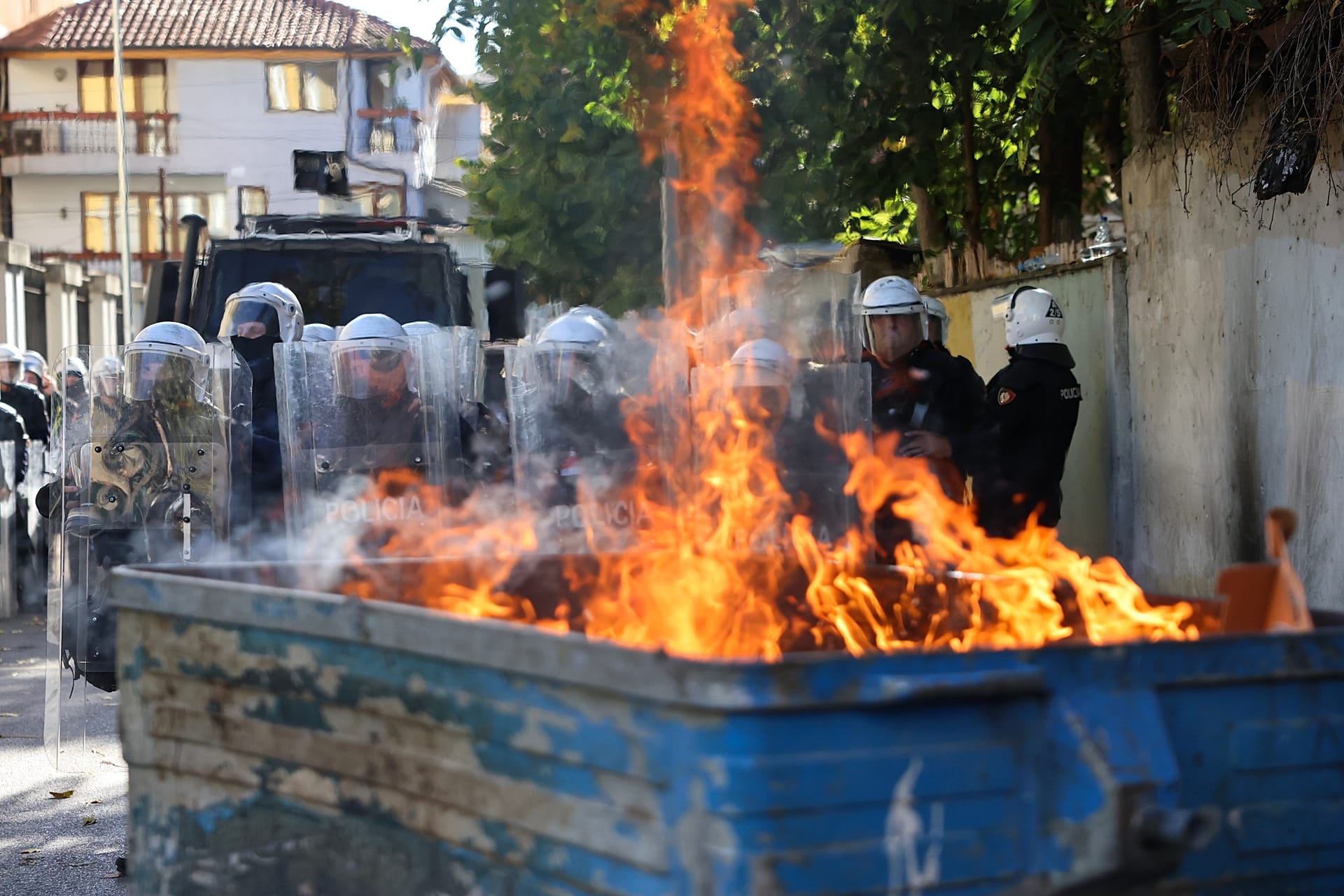
- Supporters of the Democratic Party spent about an hour and a half burning cushions outside the prime minister's office — cushions that Edi Rama had placed there as a symbolic invitation to dialogue with students.
- Supporters of the Democratic Party burned cushions outside the prime minister's office for about an hour and a half — cushions that Edi Rama had placed as a symbol of an invitation to dialogue with students.
- Students are demanding lower tuition fees, greater government investment in education and action against corruption; protests against Rama have been ongoing since May, beginning over the Trump family's hotel project.
- Students are demanding lower tuition fees, greater state investment in education and action against corruption; protests against Rama have been ongoing since May, having started over the Trump family's hotel project.
Mass rally and clashes in Tirana
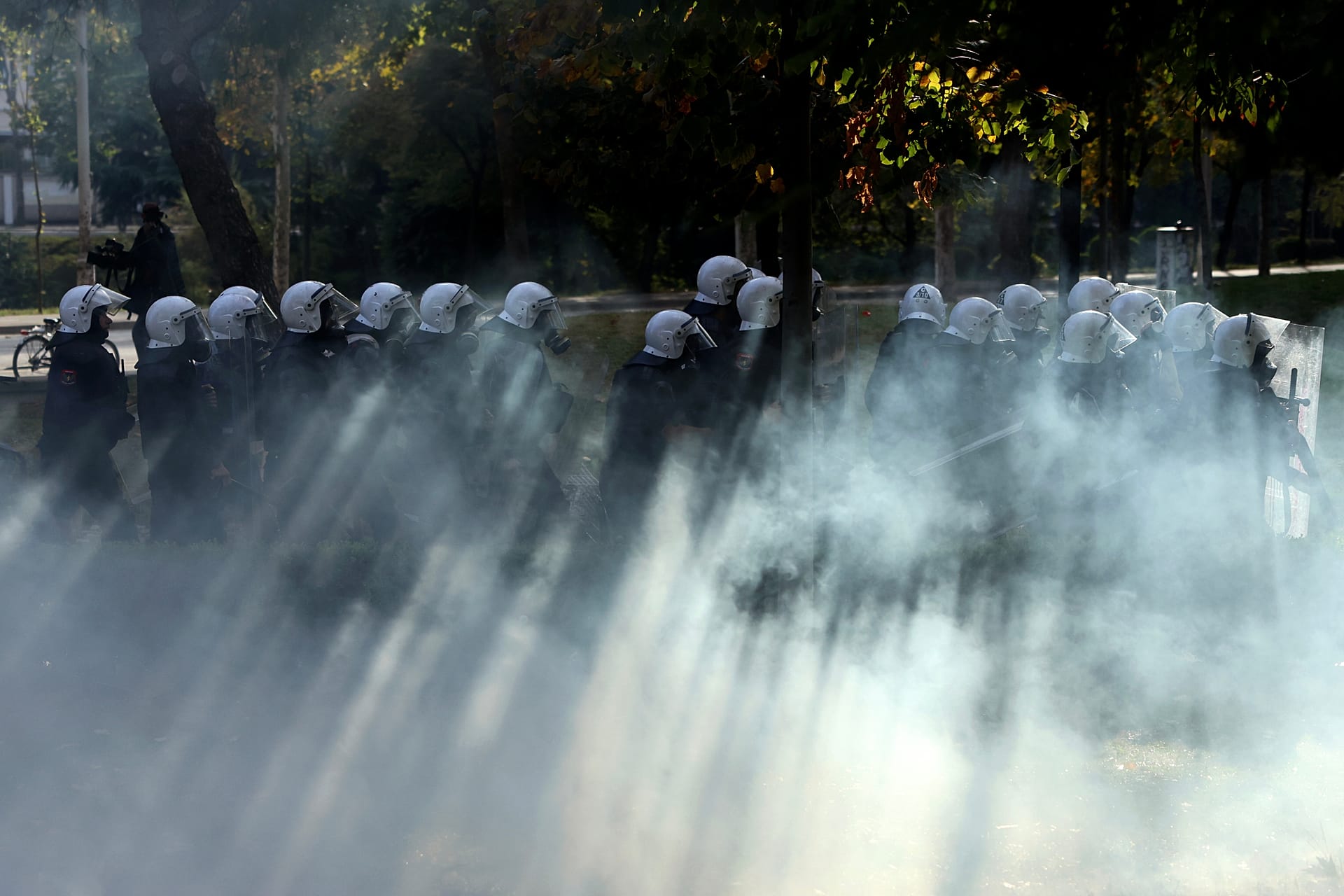
On Saturday, October 24, 2026, another mass anti-government protest took place in Tirana, the capital of Albania. According to Euronews, thousands of people responded to the organizers' call to students and residents across the country; university lecturers, artists and opposition parties announced their support for the rally. Police used tear gas to disperse the crowd. This was not the first clash since mid-October: government buildings were attacked, dozens of demonstrators have been detained, and authorities reported more than 300 injured among protesters and police officers.
Burned cushions and a march to the Ministry of Education
Supporters of the opposition Democratic Party spent about an hour and a half outside the office of Prime Minister Edi Rama, burning cushions that he had placed there as a symbolic invitation to dialogue with students. The column then headed to the Ministry of Education, where a separate student action had been announced. Ahead of it, authorities deployed rapid intervention units (FNSH) and a water cannon to the building amid social media calls to join the protest. The students themselves are demanding lower tuition fees, increased government investment in education, and action against corruption in the education system; some of them have joined the broader movement calling for the prime minister's resignation.
The prime minister's reaction and the context of the protests
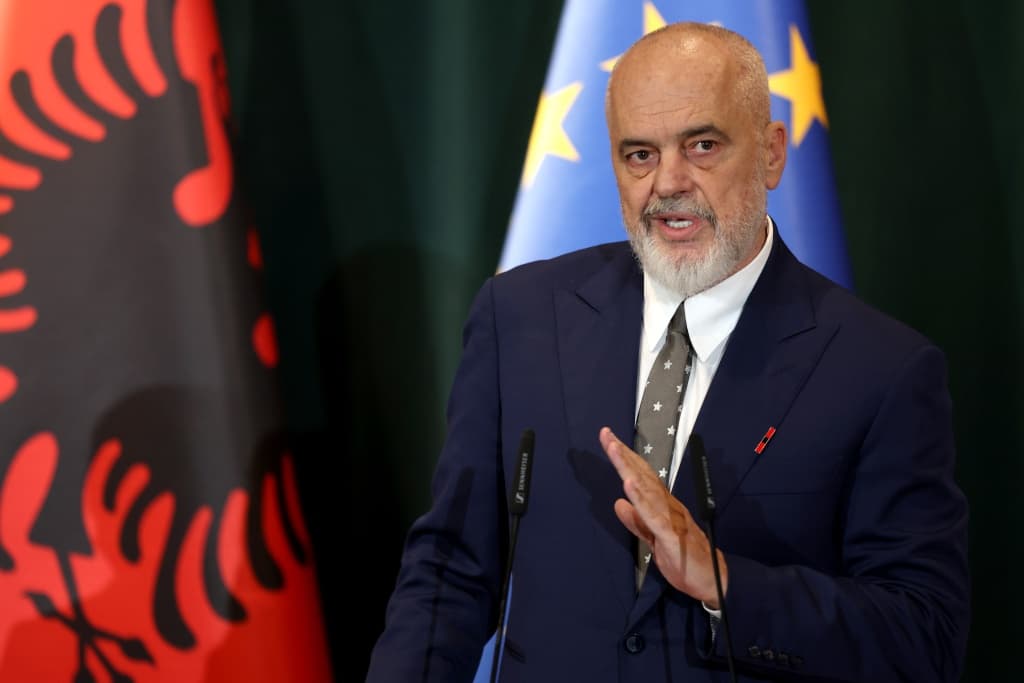
Edi Rama issued a stern warning against violence, promising a 'sustained and persistent' response from the state, while at the same time acknowledging growing discontent, saying that the cabinet would present a 'comprehensive assessment' of society's demands in the coming hours or days. According to him, sympathy for the protests reflects a demand for more attentive government. Rama had previously blamed violence on 'foreign actors', accusing Russia and Iran of spreading disinformation online, and published photos of about 40 people whom he accused of violence, demanding the resignation of the heads of dozens of state institutions. The protests began in May over a luxury hotel project linked to the family of US President Donald Trump — in July, scientists said the construction had already caused irreversible damage to a stretch of coastline. Discontent over the resort grew into a broad anti-corruption campaign demanding Rama's resignation. Demonstrators emphasize their independence from political parties and blame the entire political elite for the crisis, chanting 'Rama to prison' and 'Berisha to prison'.
A pan-European context
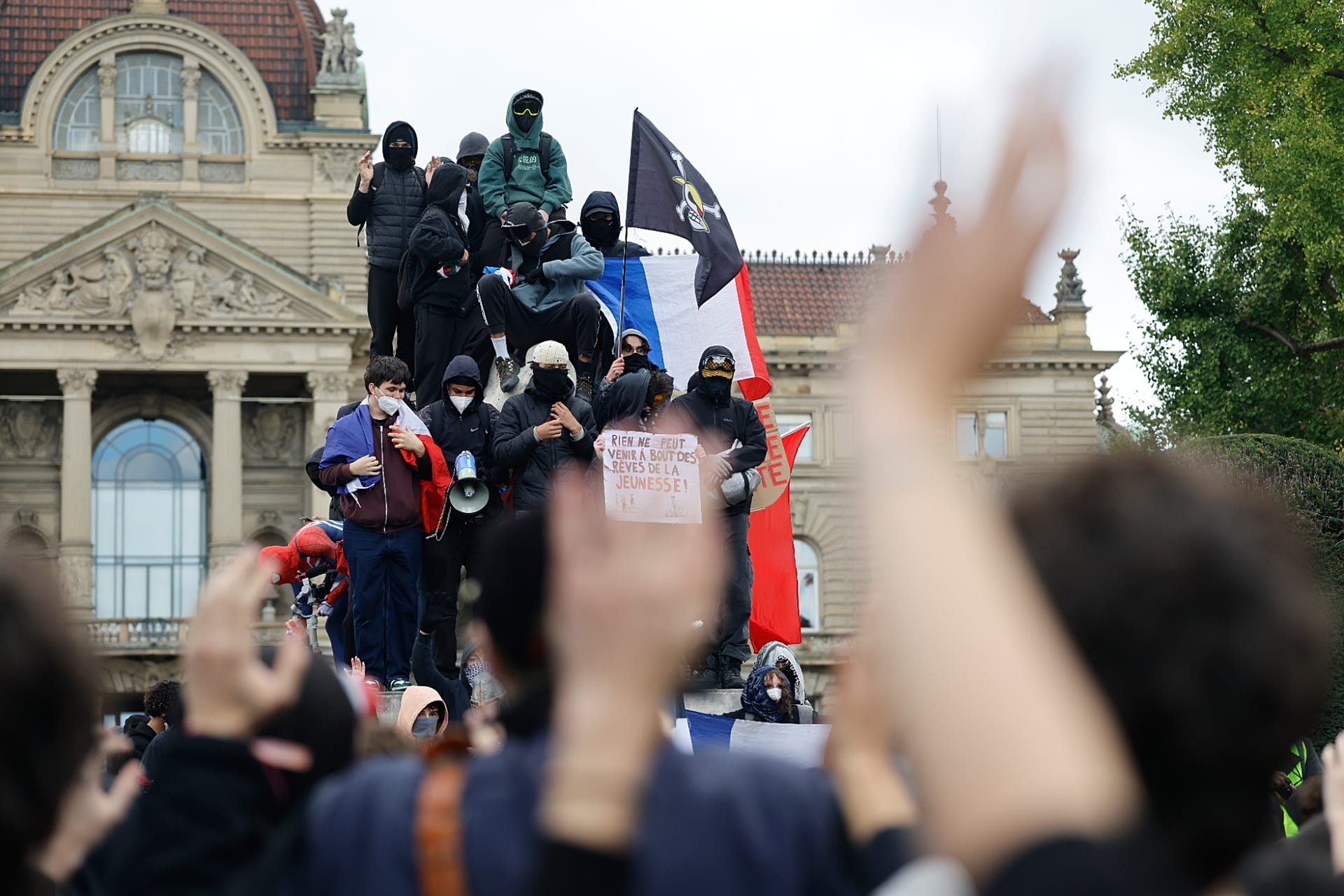
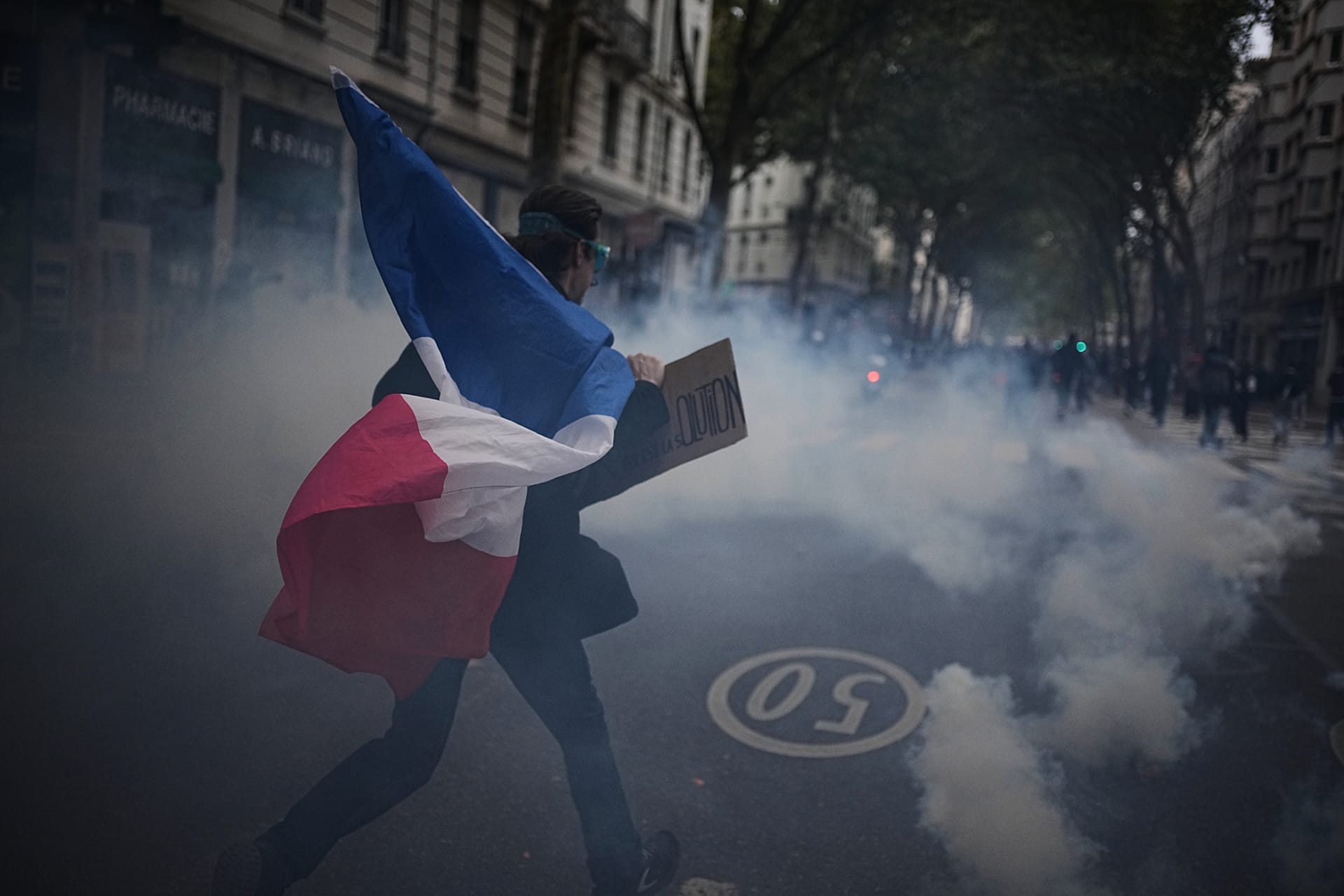
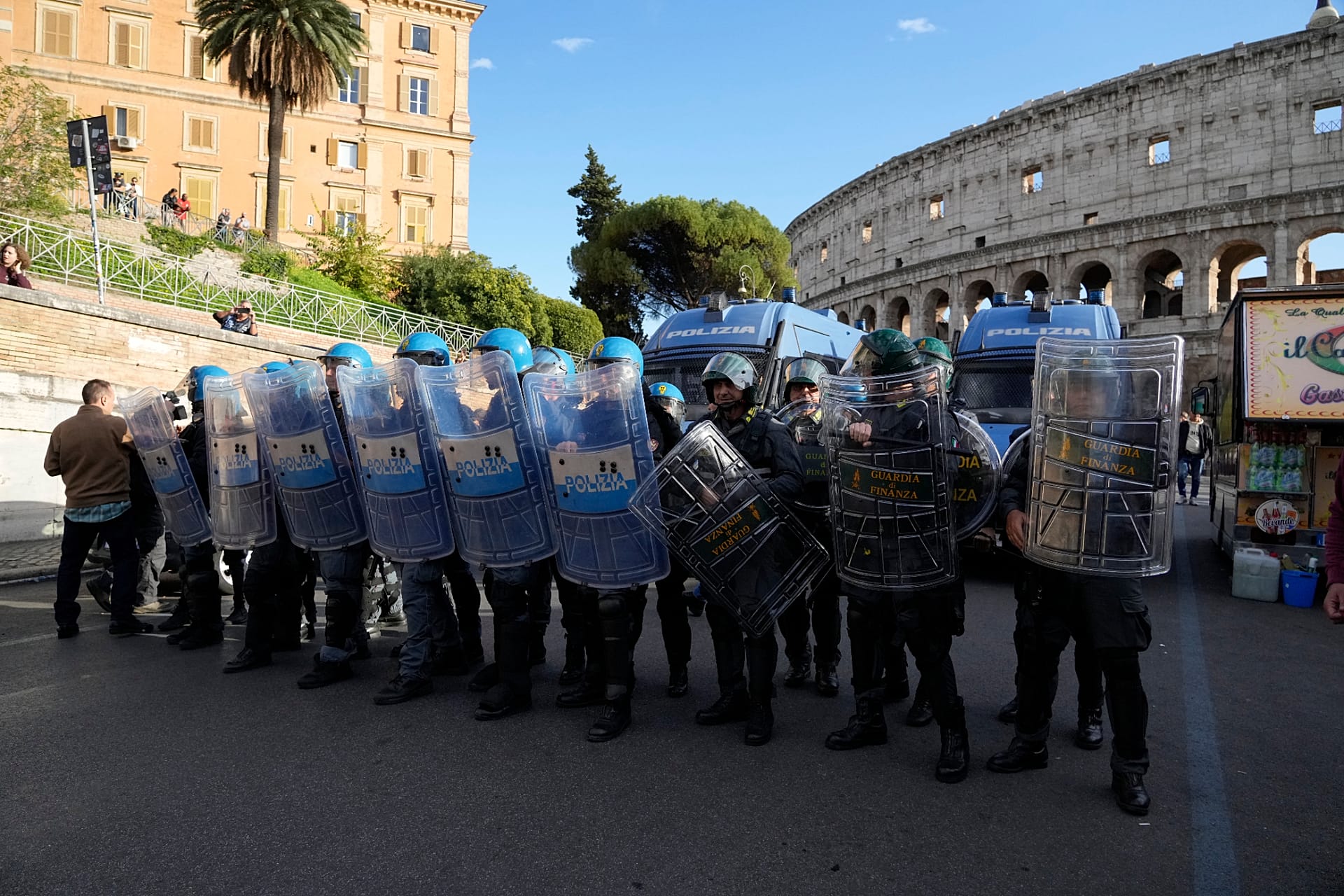
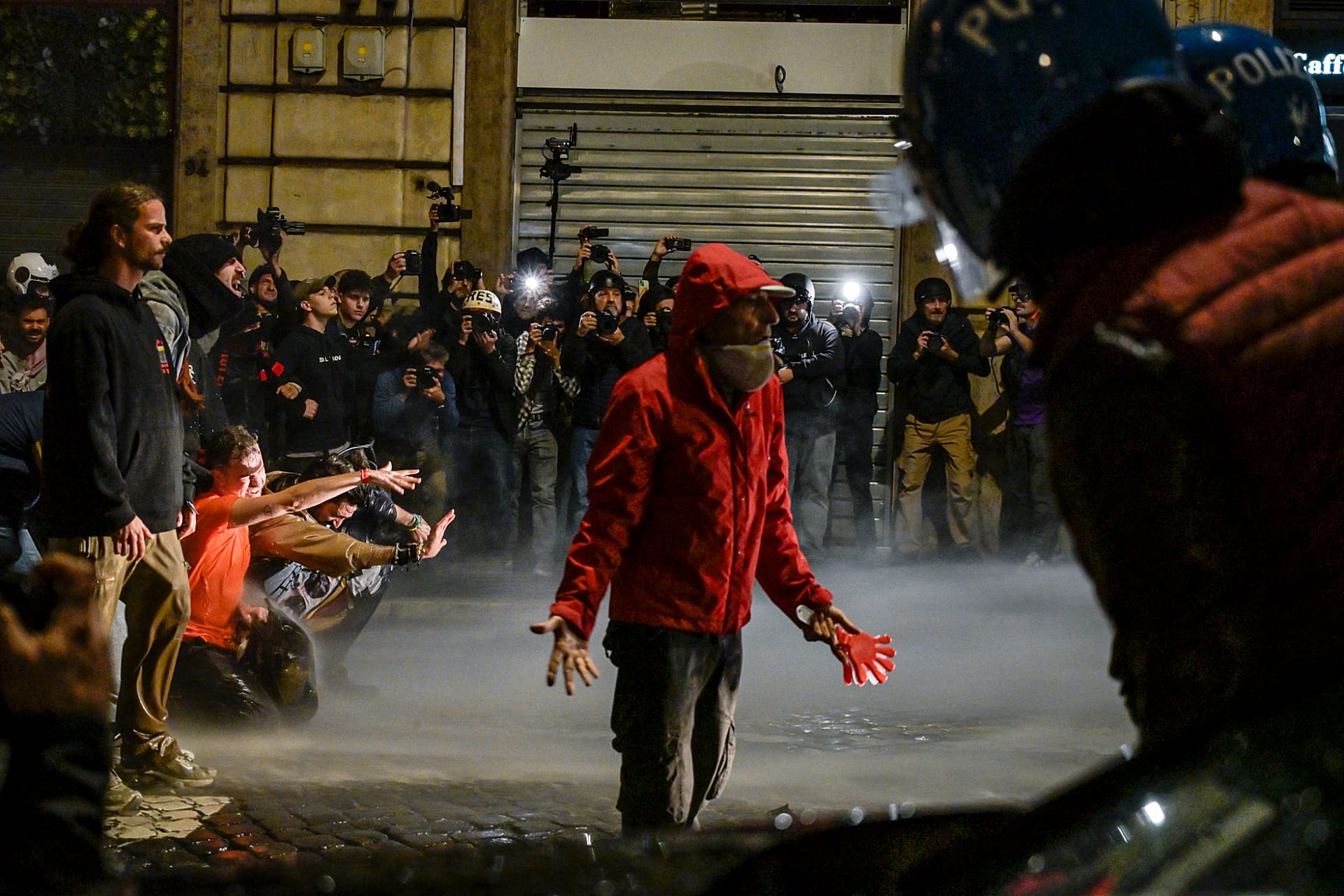
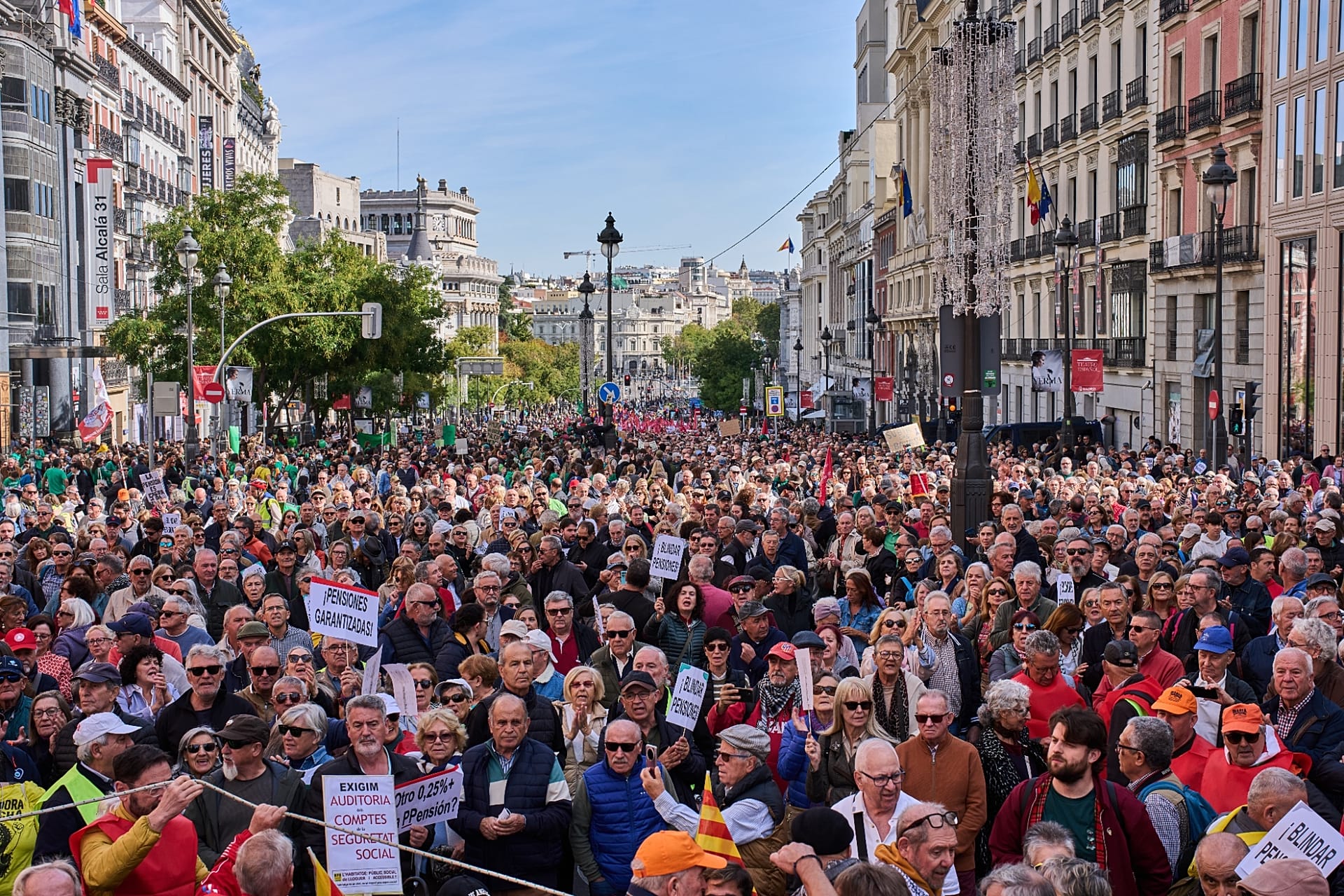
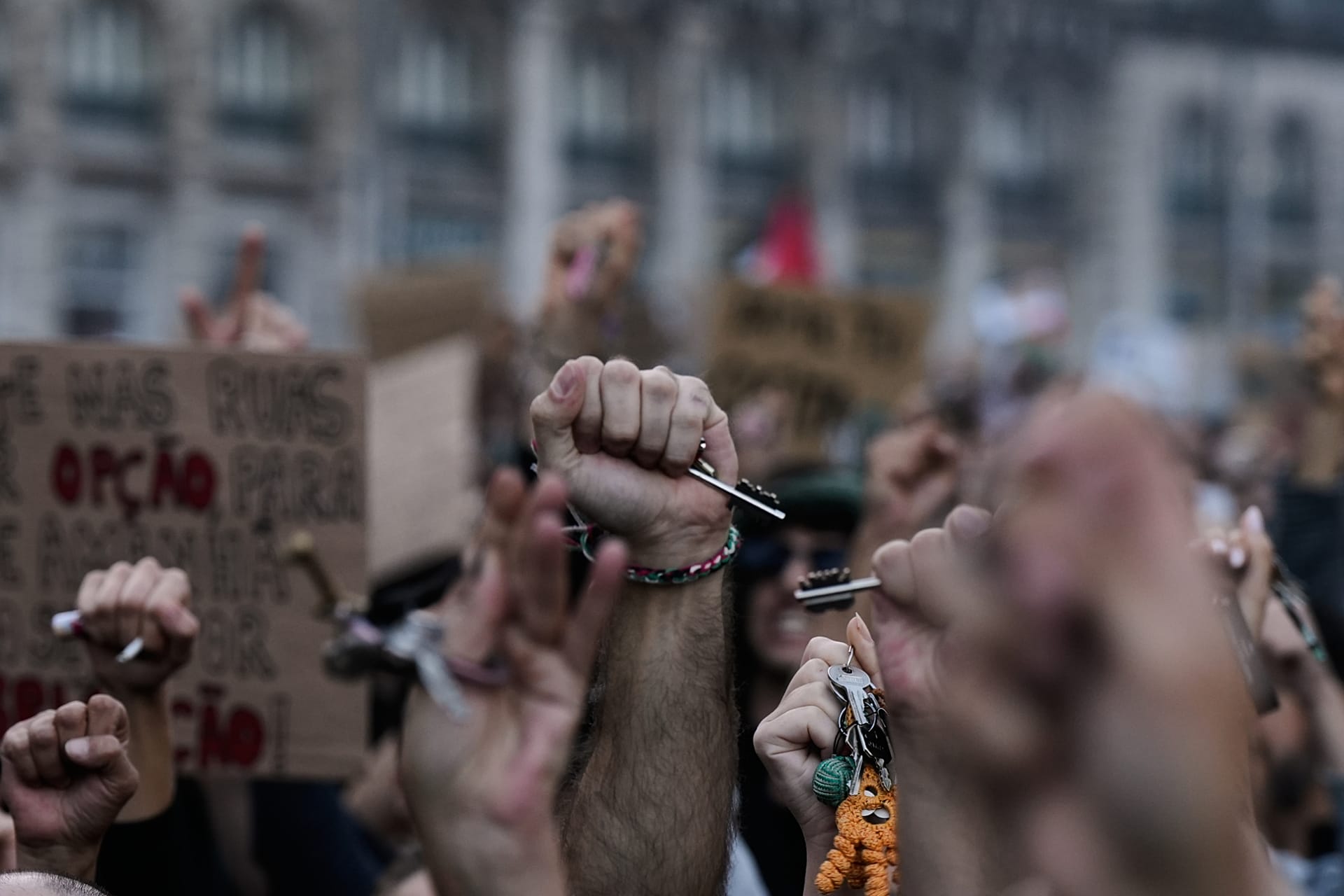
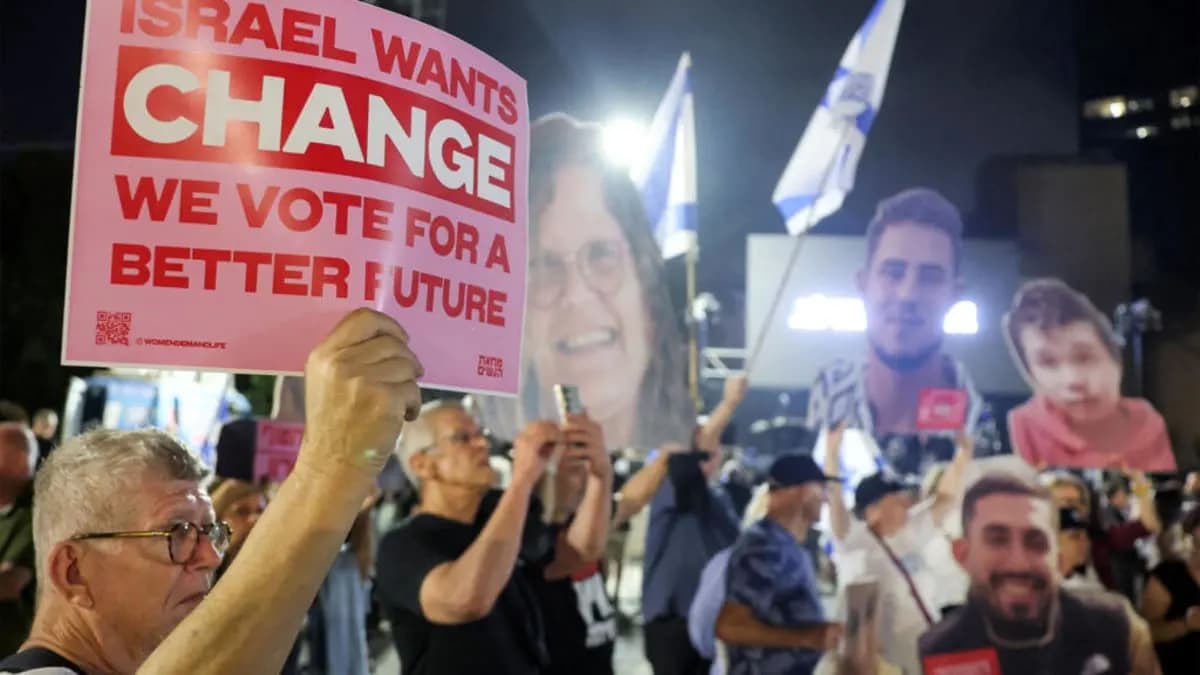
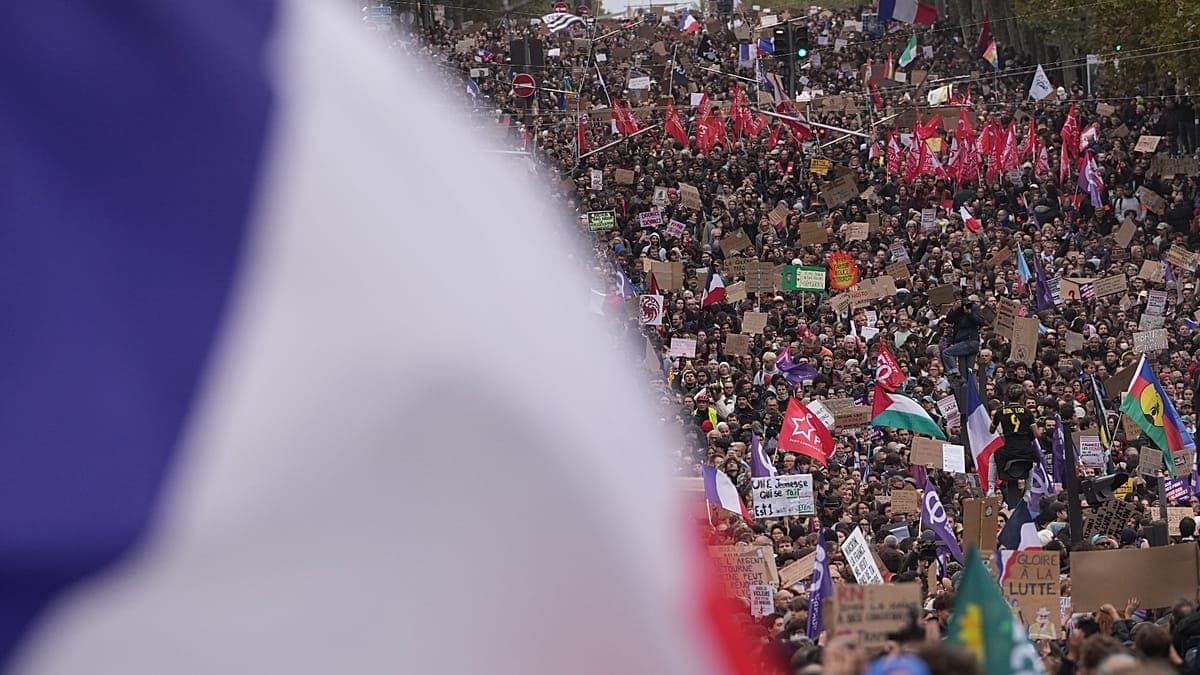
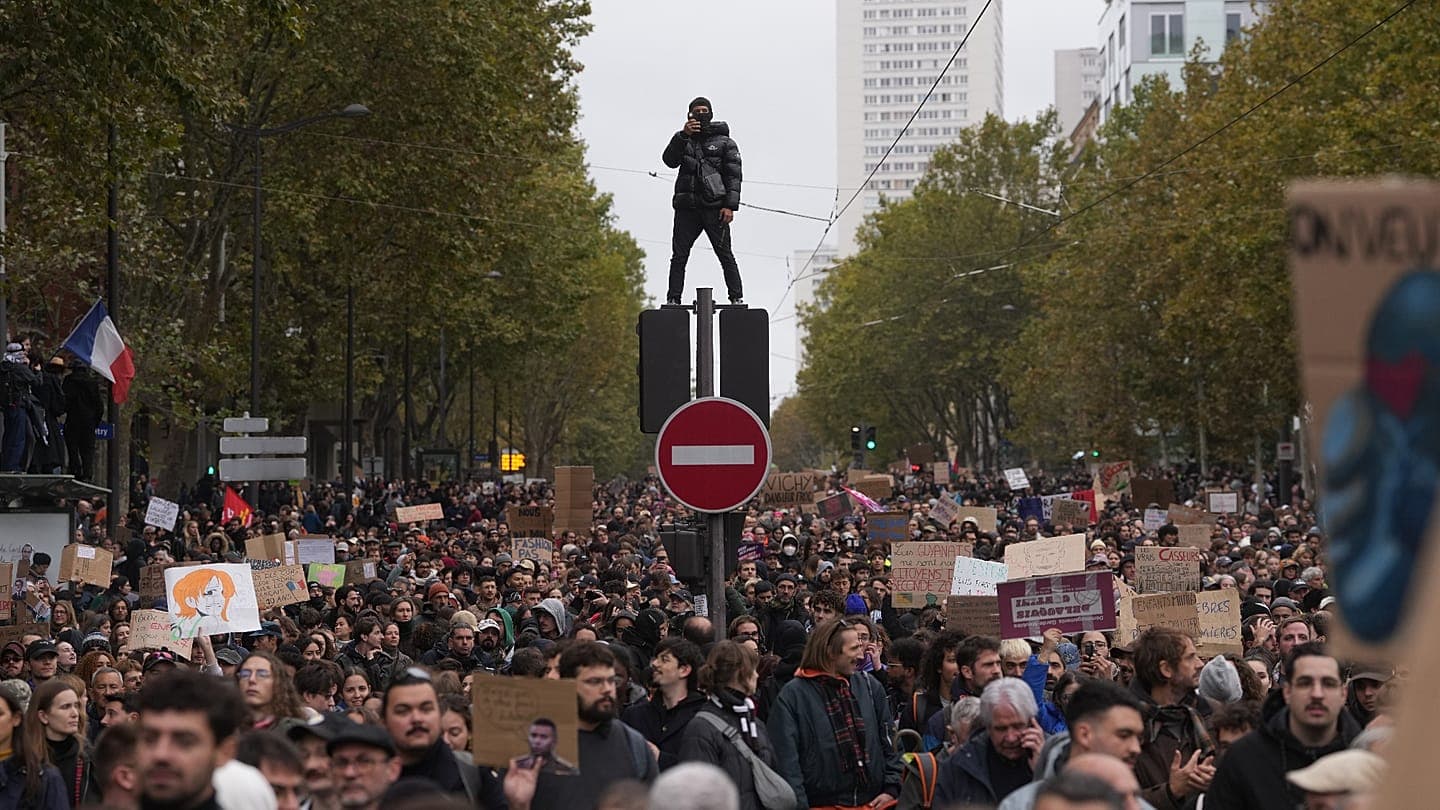
The rally in Tirana took place on a day when protests swept a number of European cities — from Milan and Madrid to Lisbon — over pensions, housing, education, corruption and anti-war causes. In France, according to Euronews, about 2,400 people were detained, nearly 1,000 security personnel were injured, as well as about 100 protesters and residents in Paris alone. In Italy, police reported nine arrests and the temporary detention of 371 people in eight cities, 110 of them minors. In Spain, pensioners demanded that pensions be indexed to real inflation, while in Portugal the main issue was affordable housing.
Why it matters
The event primarily affects Albanian society: students and their families have a direct stake in tuition fees and education funding, and Rama's promise to respond to the demands in the coming days means that concrete government decisions may follow soon. The practical aspect also matters to readers: authorities have already reported more than 300 injured and dozens detained, and the prime minister has publicly promised sustained state responses, which suggests that a heavy police presence is likely to continue at future rallies. At the same time, it remains unclear what exactly the promised 'comprehensive assessment' of the demands will include and whether it will satisfy the protest organizers.