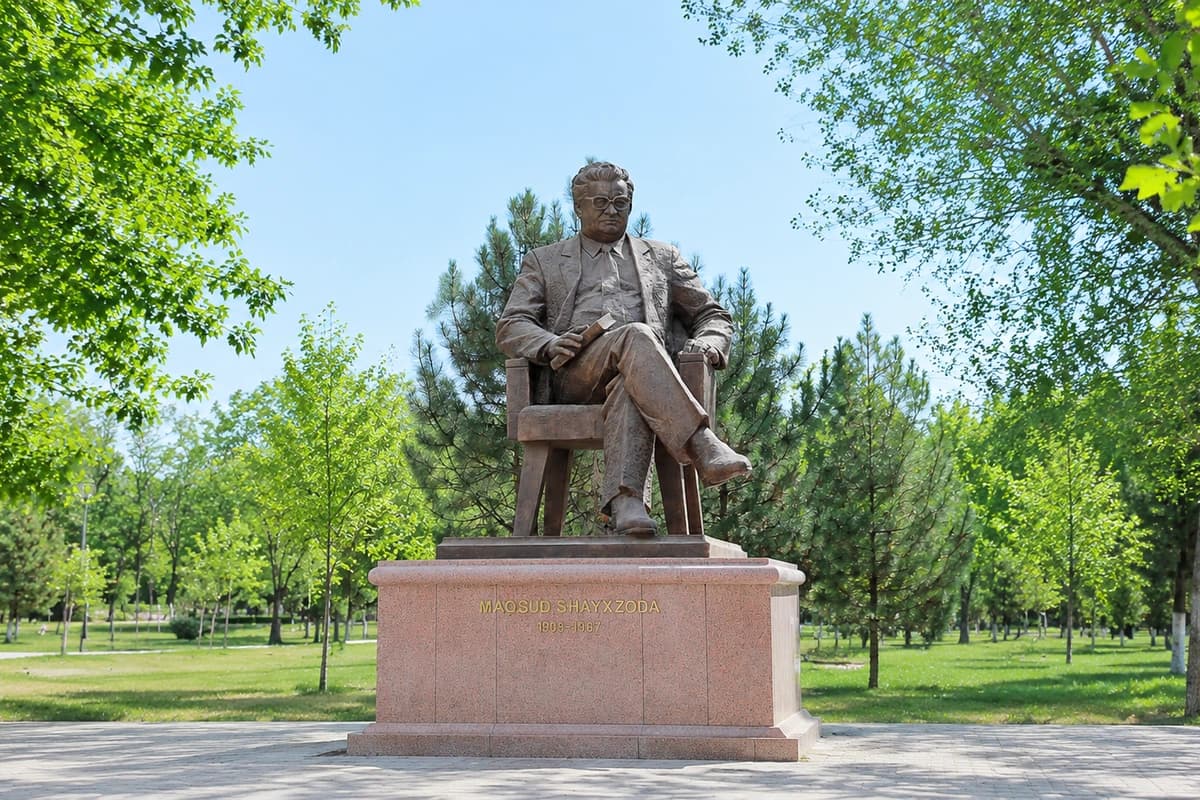
The key facts
- Maqsud Shaykhzade was born on October 25, 1908 (November 7, New Style) in Ogdash, Azerbaijan
- In 1928, for participating in the Musavatist movement, he was arrested and exiled to Tashkent
- In 1952 he was sentenced to 25 years of imprisonment, released in 1955 after Stalin's death; he died in 1967 from an illness contracted in captivity
A poet's anniversary and a quiz on his poems
On October 25, 2026, 118 years will have passed since the birth of the poet Maqsud Shaykhzade (1908–1967). According to Gazeta, he was born on October 25, 1908 (November 7, New Style) in the city of Ogdash (Aktash) in Azerbaijan. After school, he studied at a pedagogical college in Baku, and from 1925 worked as a teacher — at a school in Derbent (Dagestan) and at an educational technical school in Buynaksk. In 1928 he joined the Milli Firqa organization and, for active participation in the Musavatist movement, was arrested and exiled to Tashkent.
The Tashkent period: studies, work and creativity
In Tashkent, Shaykhzade studied at the Central Asian University (now the National University), worked at the newspapers Sharq Haqiqati and Qizil O'zbekiston (now O'zbekiston ovozi), Yosh leninchi (now Yoshlar ovozi) and the magazine Guliston, Gazeta reports. He was also a research fellow at the Institute of Language and Literature and taught at the Tashkent State Pedagogical Institute named after Nizami. His first poems were published in the press in the 1920s; he was especially prolific in the 1930s: in 1933 his first collection Loyiq soqchi came out, followed by Undoshlarim and Uchinchi kitob, and in 1934–1938 — Jumhuriyat, Yangi devon and Saylov qo'shiqlari. In the 1940s, Kurash nechun?, Jang va qo'shiq, Ko'ngil deydiki…, O'n besh yilning daftari, Zamon torlari and Olqishlarim were published, and in the 1960s — the collections Yillar va yo'llar and She'rlar.
Drama, translations and fate
According to Gazeta, Shaykhzade conducted scholarly research based on Navoi's works, wrote the dastan Toshkentnoma and the historical dramas Jaloliddin Manguberdi and Mirzo Ulugbek. Based on his script, the film Ulugbek yulduzi (The Star of Ulugbek) was made in 1964. He translated into Uzbek the works of William Shakespeare, Shota Rustaveli, Nâzım Hikmet and many other writers. In 1952, the poet was sentenced to 25 years of imprisonment, and after Stalin's death he was released in 1955. He died in 1967 from an illness contracted in captivity. For the anniversary, Gazeta has prepared a quiz on the poems of the Honored Art Worker of Uzbekistan.
Why this matters
Shaykhzade is a figure directly connected with Uzbekistan: exiled here in 1928, he studied, worked and created in Tashkent, wrote Toshkentnoma and plays about Ulugbek, and his translations of Shakespeare and Rustaveli entered Uzbek literature. His fate also reflects the tragic page of repression: the 25-year sentence of 1952 and his death in 1967 from an illness contracted in captivity. In practical terms, readers can test their knowledge of his poems in the quiz prepared by Gazeta for the anniversary.