The key facts
- Attack on the village of Binnari (Karim-Lamido district, Taraba State): the police report at least 48 dead, Amnesty International 52, the state authorities 25.
- Attack on the village of Binnari (Karim-Lamido area, Taraba state): the police report at least 48 killed, Amnesty International 52, and the state authorities 25.
- The attackers on motorcycles looted shops and set houses on fire; some victims, according to the police, drowned while fleeing the attackers.
- Governor Agbu Kefas called on security agencies to strengthen the protection of residents; Amnesty demands an independent investigation.
- Governor Agbu Kefas called on security agencies to strengthen the protection of residents; Amnesty is demanding an independent investigation.
The attack and the rising death toll
Armed men attacked the village of Binnari in the Karim-Lamido district of Nigeria's north-eastern Taraba State. Reports on the number of those killed differ substantially. The state police told the BBC that the death toll had risen to at least 48: initially 10 bodies with gunshot wounds were found, and on Sunday even more victims were discovered. According to state police spokesman Victor Mshelizah, some of the victims drowned while trying to flee the attackers, while others were killed in nearby bushes. Amnesty International gives a different figure: the organization's director in Nigeria, Isa Sanusi, said 52 deaths had been confirmed, citing sources on the ground and members of the local community. According to Anadolu, the Taraba State authorities put the death toll at 25; the outlet notes that this discrepancy cannot be immediately verified independently. Life.ru, citing Premium Times and human rights organizations, reported no fewer than 40 dead and suggested the count could exceed that figure, since many residents remain missing.
Timeline and circumstances
Sources also differ in their accounts of how the attack unfolded. The BBC, citing the police, reports that the attack began shortly after Friday midday Muslim prayers and continued until four o'clock. Anadolu, by contrast, states that the attack took place between Friday evening and Saturday morning. According to Life.ru, citing Premium Times, the armed group entered the Karim-Lamido district from the neighbouring Plateau State. Community leader Malam Abubakar Saifullahi told the AFP agency that the attackers arrived on about 50 motorcycles, two people on each: they looted shops, taking money, food and other goods, as well as motorcycles abandoned by fleeing residents. Witness Ishaq Musa told AFP:
Reaction and context
Taraba State Governor Agbu Kefas on Sunday condemned the killings and called on security agencies to step up the protection of residents and apprehend those responsible, Anadolu reports. The governor's re-election campaign headquarters, according to the same outlet, warned politicians against politicizing the tragedy amid criticism of the state authorities over the security situation. Amnesty International is demanding an independent investigation into the killings, justice for the victims and better protection for vulnerable communities; Isa Sanusi accused the authorities of leaving rural communities abduct people for ransom; similar groups operate in the north-west and central regions of the country. The attack came ahead of Nigeria's elections next year, where, the BBC predicts, security will become a prominent theme of political debate.
Why it matters
The attack primarily affects residents of rural areas of Taraba who, according to Anadolu, have already faced repeated threats from armed groups and, after the attack, fled to neighbouring communities. In practical terms, this means the search for the missing continues, an investigation with an unclear outcome — because of the discrepancy in official figures (25 from the state authorities, 48 from the police, 52 from Amnesty), the exact death toll has not yet been established — and pressure on the state authorities over security in the run-up to the elections. The identities of the attackers and their affiliation with any group remain unknown: sources describe them only as
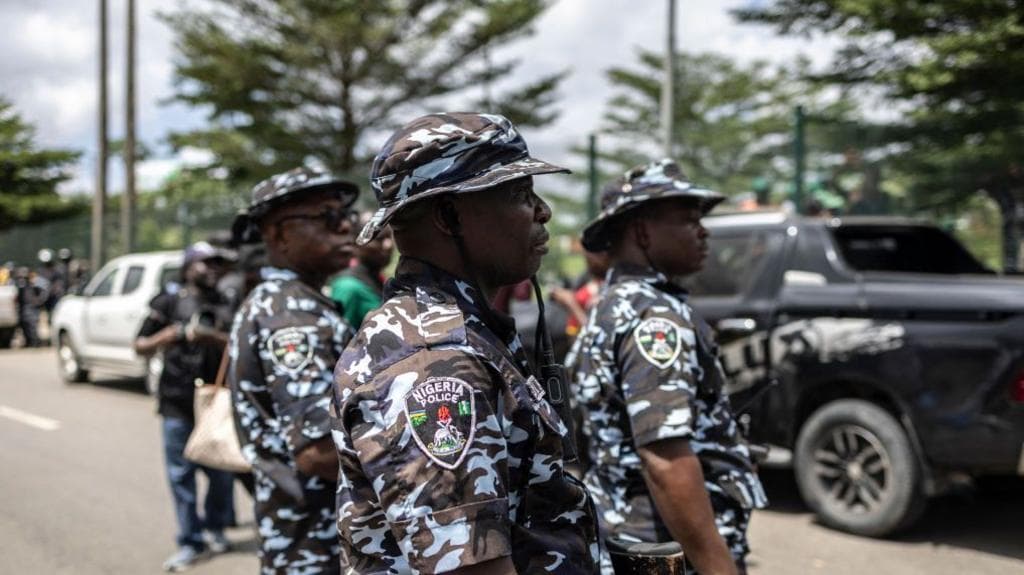
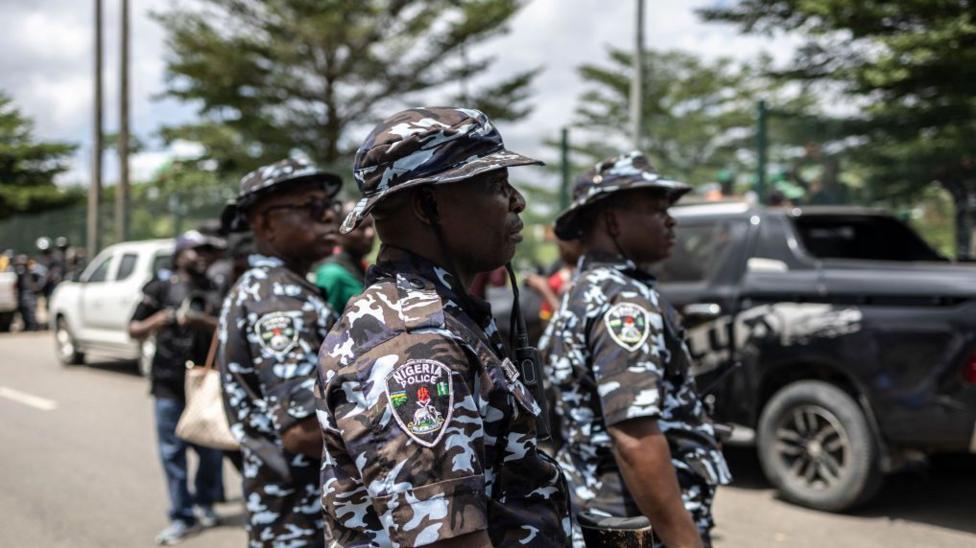 Image source, AFP via Getty Images
File image of Nigerian police officers