The key facts
- George Clarke from Bristol sets off on his third stint at Port Lockroy as part of a six-person team
- George Clark from Bristol sets off on his third stint at Port Lockroy station as part of a six-person team
- Mail from the island is sent on ships heading north — mostly towards the Falklands
- The team continues the second phase of a three-year plan to strengthen Bransfield House: beams in the roof and 30 supports in the floor
- The team continues the second phase of a three-year plan to reinforce Bransfield House: beams in the roof and 30 supports in the floor
A postmaster with a thousand penguins
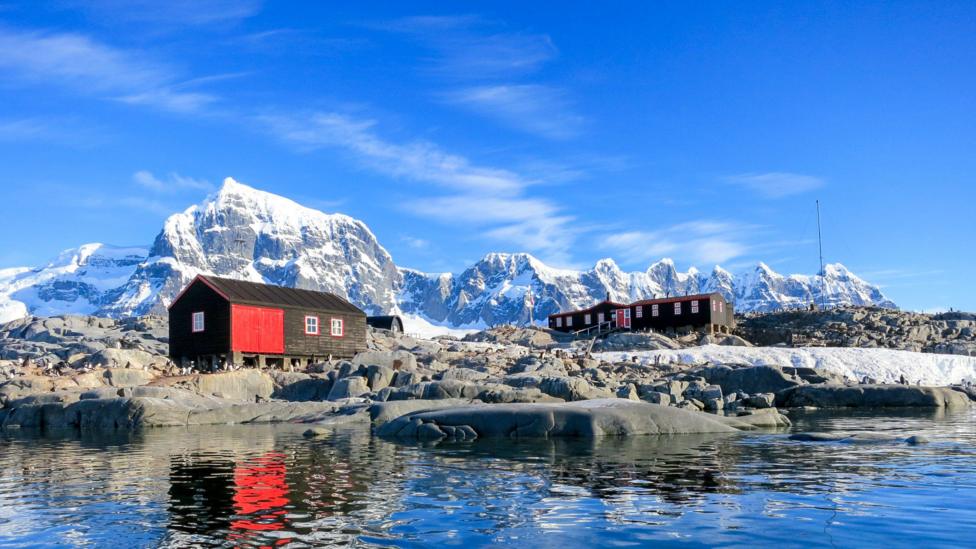
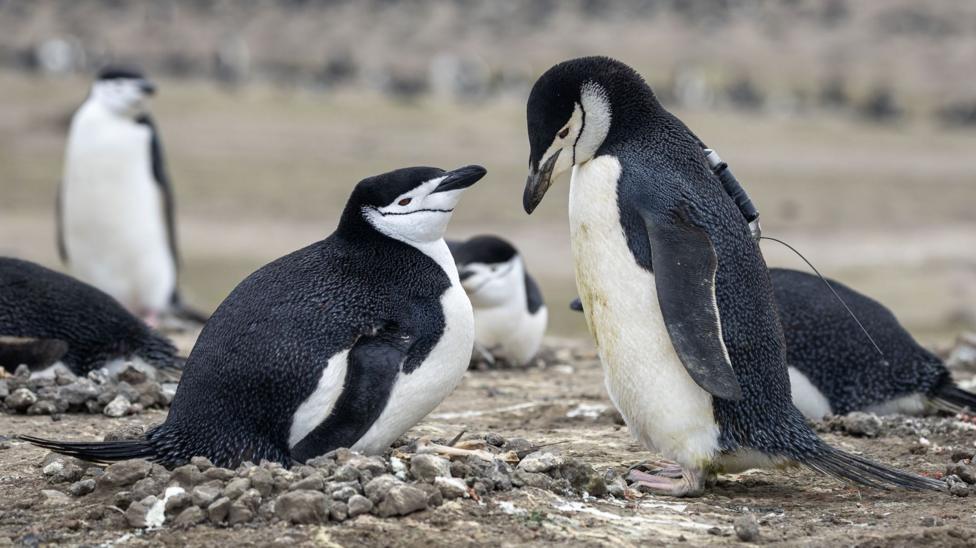
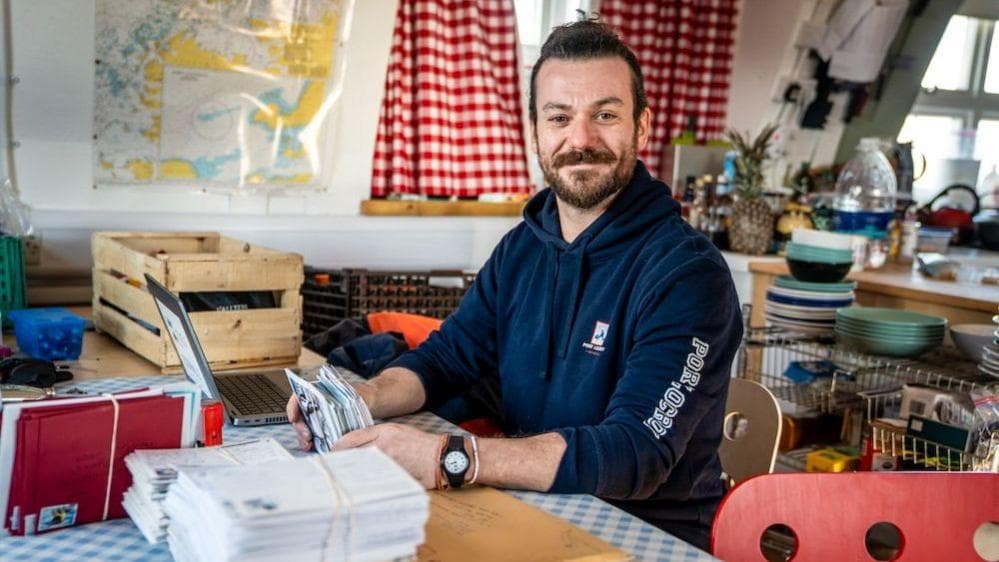
George Clarke, who works in Bristol on festivals and as an artist, holds the post of postmaster at Port Lockroy, the world's southernmost post office, from late October to March — the southern hemisphere summer. For him this is already his third trip to Antarctica as part of a six-person team working for the UK Antarctic Heritage Trust (UKAHT). «The penguins are noisy and smelly. The people are wonderful,» he said in an interview with BBC Bristol, adding that he has fallen in love with the Antarctic wilderness. Goudier Island is home to a colony of about a thousand gentoo penguins.
How the post office works without vans
There is no regular delivery to the island: the team hands sorted, packed and weighed postcards over to passing ships. «We get in touch by email or radio and say: 'Hello, could you take some postcards with you?' — and they always happily agree,» Clarke described the process. The ships head north, mostly towards the Falkland Islands, from where the mail is then distributed around the world. Besides the mail, Clarke is the deputy station leader: he helps with cleaning and maintaining the site and carries out wildlife observations for the British Antarctic Survey.
Restoration and the station's history
The team sets off on Monday and begins the second season of a three-year plan to strengthen the island's largest building — Bransfield House, which houses the museum, the post office and the shop. Beams will be installed in the roof and 30 steel and timber supports in the floor, so that the building can withstand rain and snow. Port Lockroy was chosen in the 1940s as a permanent British outpost in Antarctica: the site had been considered a safe anchorage since the days of the early 20th-century whalers — their traces can be seen in the whale bones on the shore. The station operated until 1962, when British research was moved to larger and more modern facilities.
The journey and the team
The journey from the UKAHT base in Cambridgeshire takes about a week: a flight to Ushuaia via Buenos Aires, a couple of days to acclimatise, and four to five days by ship to the Antarctic Peninsula. Before departure, the team trained in the Brecon Beacons. It is led by RAF veteran Carol McCullough: «I applied for this role in search of adventure, and Antarctica is the ultimate adventure.» Wildlife monitor and museum manager Alice Parr was selected as a reserve member three years ago and only made the team on her second attempt: «Persistence pays off!»
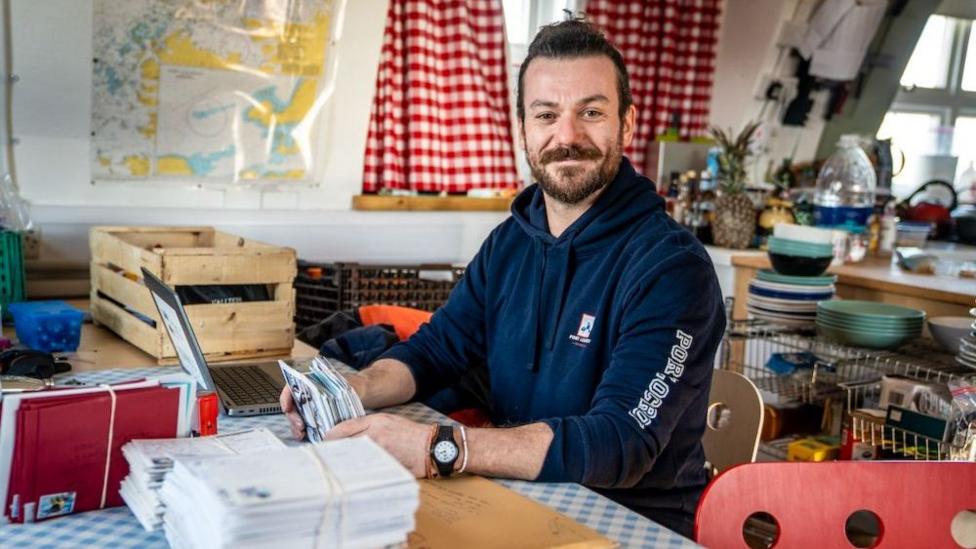 Image source, UK Antarctic Heritage Trust
George Clarke is returning for his third stint at Port Lockroy
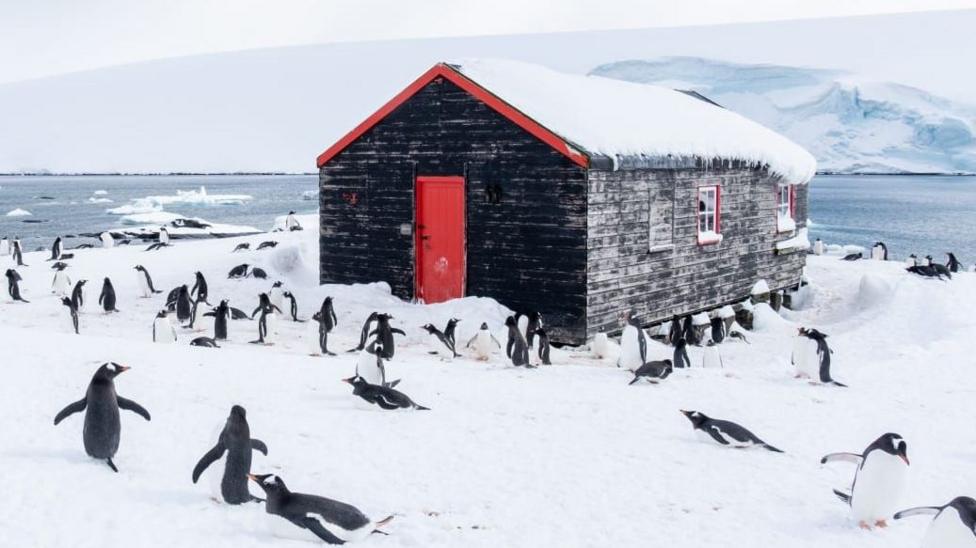 Image source, UKAHT
Port Lockroy is home to a colony of about 1,000 gentoo penguins
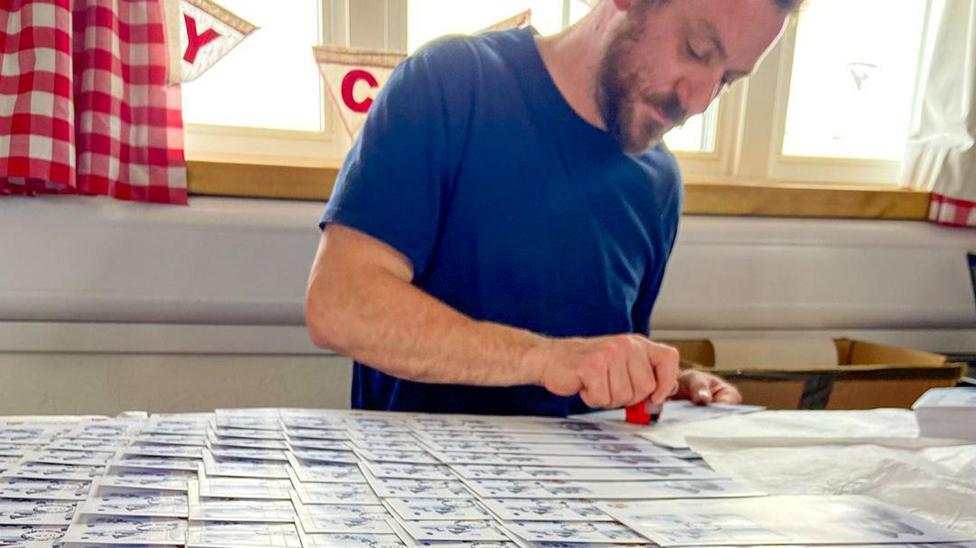 Image source, UK Antarctic Heritage Trust
Postmaster George Clarke says he has fallen in love with the Antarctic wilderness
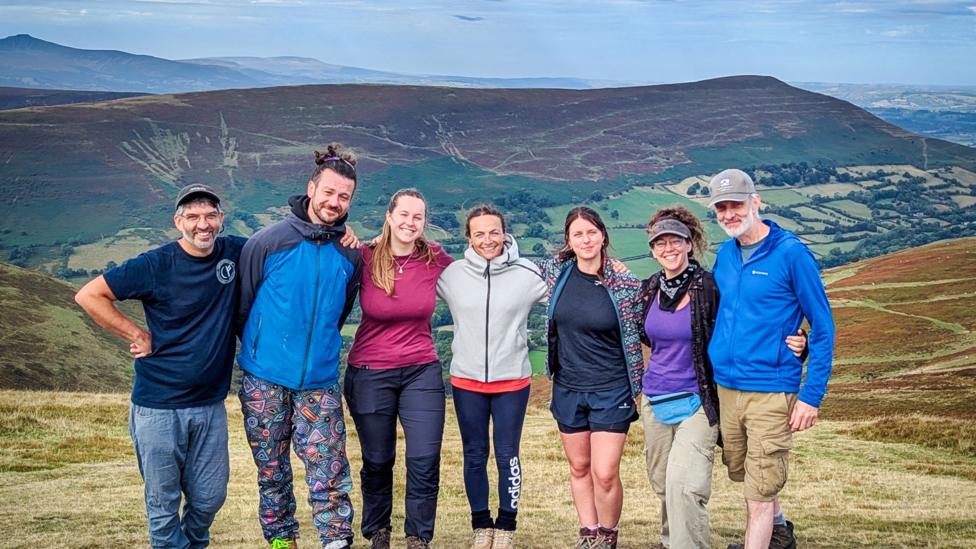 Image source, UKAHT
Clarke (second from left) and the team have been training in the Brecon Beacons before heading to Antarctica