The key facts
- The UK government will allocate £100 million to establish a national AI Biosecurity Lab (AIBL).
- The UK government will allocate £100 million to establish a national AI biosecurity laboratory (AIBL).
- OpenAI and Anthropic will provide AI credits worth £200 million for the lab's operations.
- Additionally: £120 million for the AI Security Institute (AISI), £60 million for a National Cyber Shield and £70 million for the NERV centre.
- Additionally: £120 million for the AI Safety Institute (AISI), £60 million for a 'National Cyber Shield' and £70 million for the NERV centre.
New laboratory and budget commitments
The UK government has announced plans to create a national AI Biosecurity Lab (AIBL) to strengthen protection against new biological threats. As BBC News reports, on Wednesday, as part of the budget, the chancellor will pledge £100 million to establish the world's first institute of its kind, with support from leading AI companies. In addition, millions of pounds will be promised for a range of initiatives aimed at strengthening the country's ability to respond to evolving cyber, biological and AI-related threats.
AI companies' involvement and ministers' position
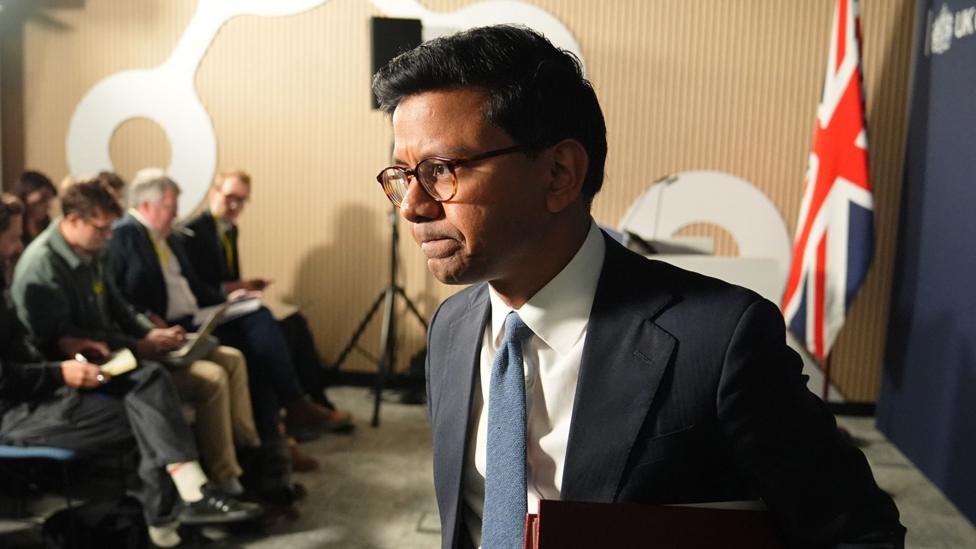
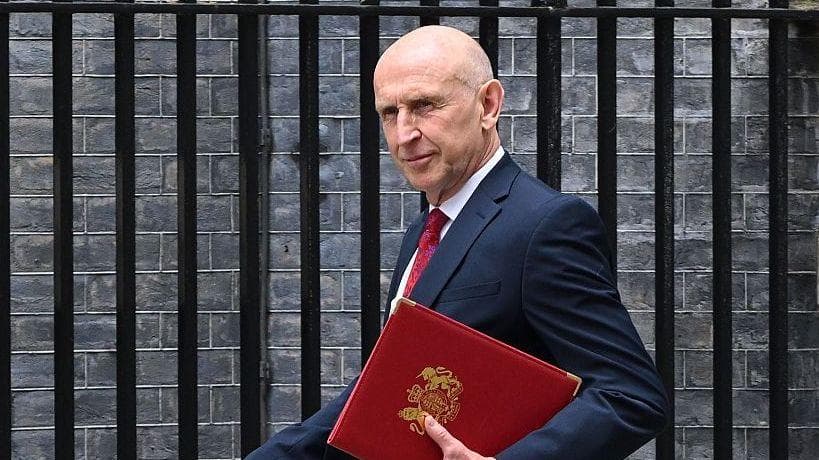
The creation of the lab will also be supported by leading AI developers: OpenAI and Anthropic will provide AI credits worth £200 million, which can be spent on using their models. Full details about the role and powers of the new lab have not yet been disclosed. AI minister Kanishka Narayan called it a major new global institutionthat will bring together world-leading scientific expertise so that, as AI develops, the country can protect its citizens and its goals. This means staying ahead of emerging threats — from cyberattacks to biological risks — while creating more of the critical technologies our security depends on, he said. Minister John Healey emphasised that AI will transform everyday life and benefit every company, hospital and school, and pledged a distinctly British approach to AI that will not leave workers behind and will protect national interests.
Additional funding for cyber defence
The chancellor's plans to increase AI spending also include an additional £120 million for the AI Security Institute (AISI), which was created by the previous Conservative government in 2023. The Institute assesses the risks of the most powerful models and, according to BBC News, is known for its role in shaping an open and collaborative approach to AI testing; the new funds are intended to support its work amid growing calls for technical standards and guardrails in AI development. Alongside this, investments of £60 million were announced in the so-called National Cyber Shield, which, according to the government, will use agentic AI to strengthen cyber defence, and £70 million for the National Real-Time Vulnerability Detection Centre (NERV), which is intended to use AI tools to identify cyber vulnerabilities in critical infrastructure and the country's economy.
Context: AI and vulnerabilities
The announcement followed reports that the UK was among organisations around the world that preemptively took some websites offline after critical vulnerabilities were discovered in the popular programming language PHP, which has been used in web development for decades. Researchers warned that PHP-based platforms could be vulnerable to potential hacks; no reports of successful attacks exploiting the vulnerability, dubbed php2shell, have yet emerged. According to BBC News, experts noted that the incident shows how quickly and easily long-dormant errors can be discovered — and potentially exploited — with the help of AI. Alongside this announcement, other reports about risks had appeared earlier: a minister warned that a breach of the UK's cyber defences is likely, Anthropic blocked a possible attempt to use AI to create biological weapons, and a Chinese AI tool gave researchers tips on how to make biological weapons.
Why it matters
The package of measures, worth hundreds of millions of pounds, directly affects the security of critical infrastructure, businesses and citizens of the United Kingdom, and the participation of OpenAI and Anthropic shows that private AI companies are becoming part of the state protection system. In practical terms, this means expanded capacity for model testing (AISI), automation of vulnerability discovery (NERV), and the creation of a new institute at the intersection of AI and biosecurity. At the same time, key questions — the exact powers of the AIBL and the procedure for using model credits — remain undisclosed, and, as BBC News notes, little is known about them so far.
 Image source, Getty Images