The key facts
- Turkey does not expect its troops to engage in combat with the Houthis under the Mecca defence pact, Defence Minister Yasar Guler said
- The pact, signed in August, has been ratified by Saudi Arabia and Pakistan; Turkey's parliament is still considering the document
- Foreign ministers in Istanbul condemned Houthi attacks on Saudi Arabia and called on them to halt military actions
Turkey rules out direct conflict with the Houthis
Turkey does not expect its troops to take part in combat operations against the Houthis under the defence pact with Saudi Arabia and Pakistan, Defence Minister Yasar Guler said on Friday. “The main goal of our possible military support for Saudi Arabia is to strengthen deterrence. We absolutely do not foresee entering into any conflict with the Houthis”, he said, adding that Ankara's priority is preventing new tensions and contributing to security and stability in the region. According to Guler, Turkey will assess Riyadh's requests for military assistance and determine the scope of support after the pact is ratified by parliament.
Uncertainty over the pact's scope
The Mecca defence agreement was signed in August and submitted to Turkey's parliament for ratification this week. It is based on the principle that “an attack on one member is considered an attack on all.” However, Article 2 specifies that the countries are obliged to assist each other in the event of an attack or military aggression “by another country or group of countries”, which, as The National notes, raises the question of whether the pact applies to strikes by Yemen's Houthis, who have intensified attacks on Saudi Arabia in recent weeks. Saudi Arabia and Pakistan have already ratified the agreement.
Diplomacy in Istanbul
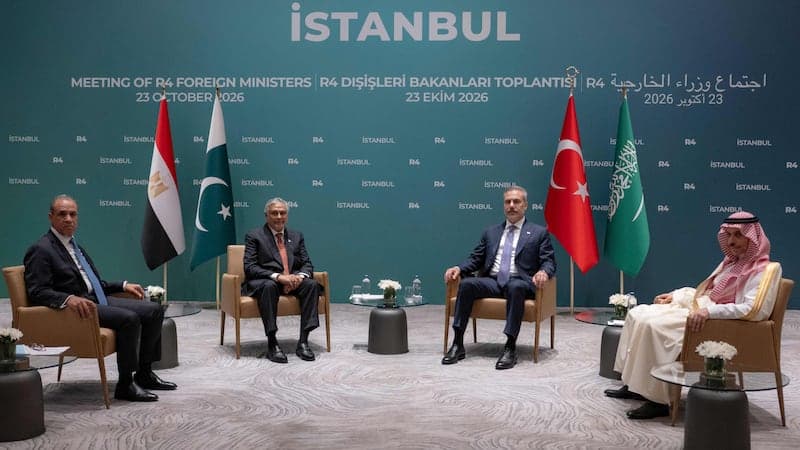
On Friday in Istanbul, on the sidelines of the ministerial meeting of the “Regional Quartet” (R4) comprising Pakistan, Saudi Arabia, Turkey and Egypt, bilateral talks were held between the foreign ministers of the two countries, where bilateral relations and the regional situation, including Yemen, were discussed. Saudi Arabia's Foreign Minister Prince Faisal bin Farhan and Pakistan's Deputy Prime Minister and Foreign Minister Ishaq Dar condemned recent Houthi attacks on civilian areas of Saudi Arabia, the kingdom's foreign ministry said. The talks took place against the backdrop of a broader diplomatic gathering — the first of its kind, — which also included the foreign ministers of Britain, France, Germany and Italy; the meeting was chaired by Turkey's Foreign Minister Hakan Fidan to discuss “regional issues of mutual concern.” In a joint statement, the ministers “strongly condemned the unacceptable escalation by the Houthi militia”, including strikes on civilian targets and infrastructure in Saudi Arabia, as well as attacks on commercial shipping in the Red Sea and the Bab el-Mandeb Strait. They expressed solidarity with the governments of Yemen and Saudi Arabia and called on the Houthis to “immediately cease all military actions, threats and attacks and return in good faith to the political process.”
Context of the attacks and their consequences
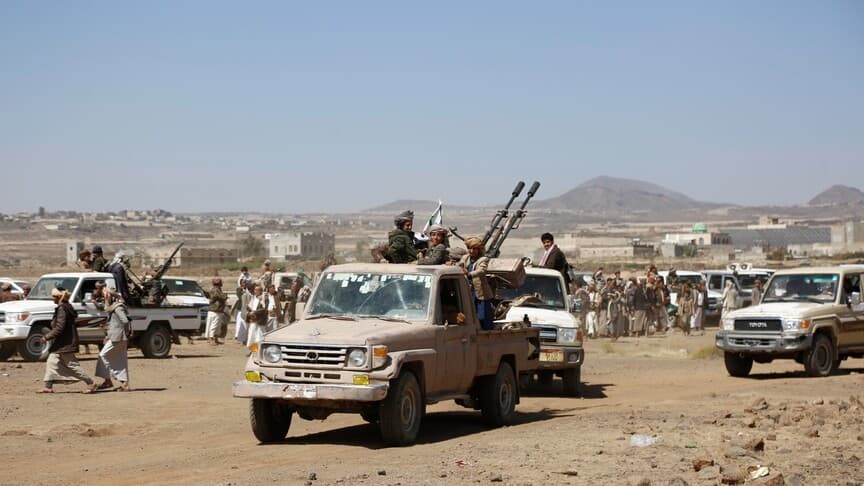
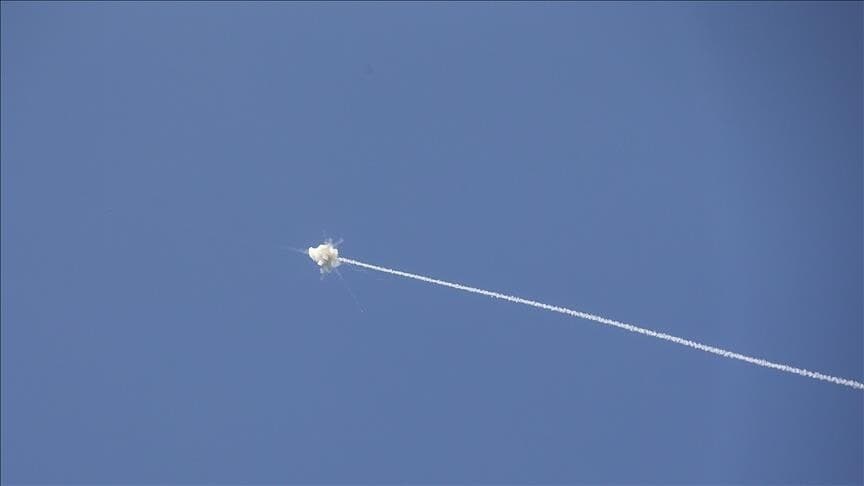
Saudi Arabia has faced intensified Houthi attacks in recent weeks, including deadly strikes on airports, which disrupted air traffic and led to the cancellation or postponement of major international conferences, diplomatic summits and sporting events in the kingdom. The Houthis have also claimed attacks on Saudi Arabia's energy and military facilitiesEditorial analysis: Guler's statement and the wording of Article 2 show that even after ratification, the scope of Turkey's involvement will remain subject to separate assessment by Ankara — meaning the pact does not yet imply automatic entry into a war with the Houthis. In practical terms, this means the specific nature of the assistance will be determined only after parliamentary ratification in Turkey, while travellers and business events in Saudi Arabia continue to face uncertainty due to ongoing strikes on airports and disrupted air traffic.