The key facts
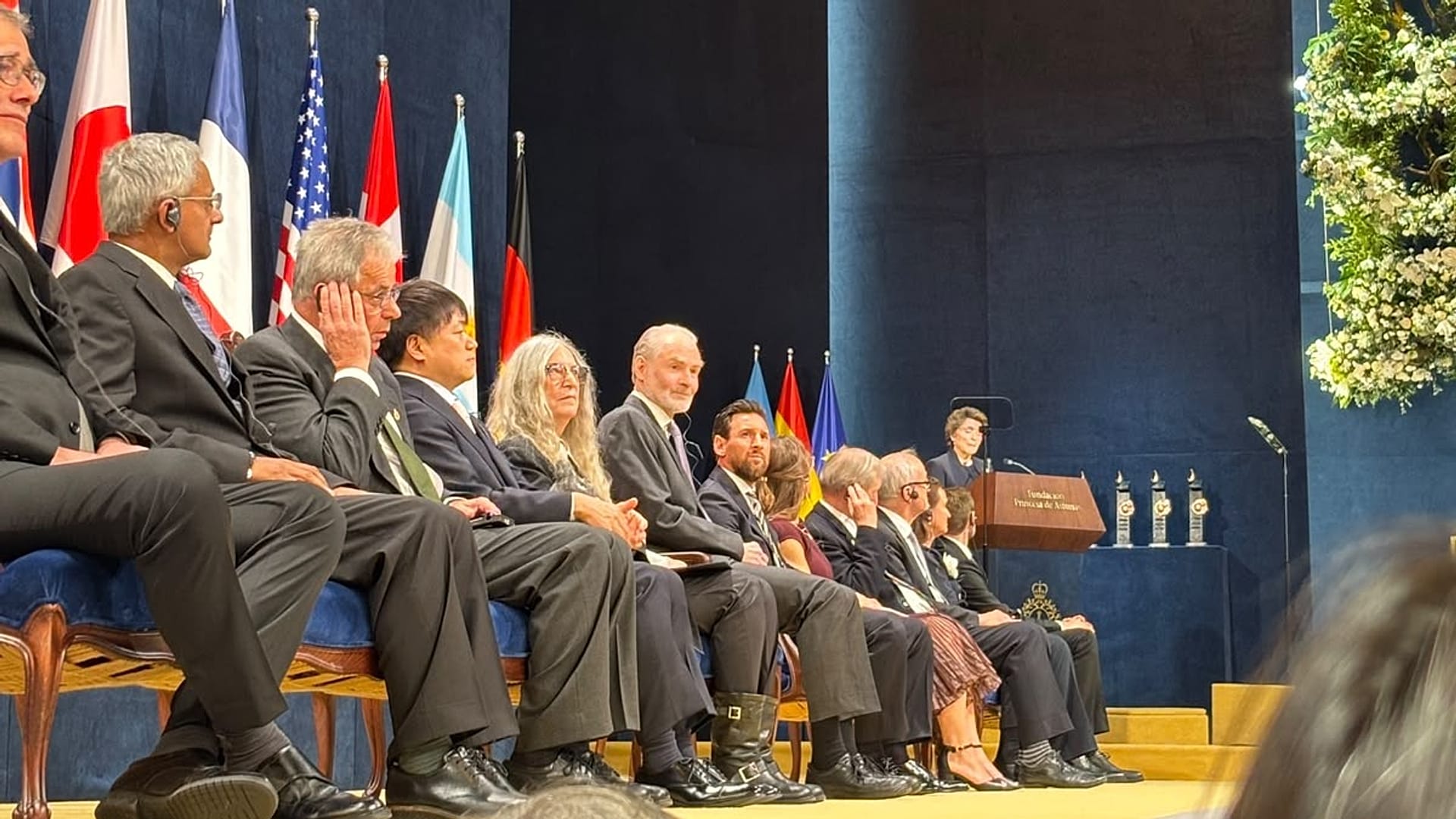
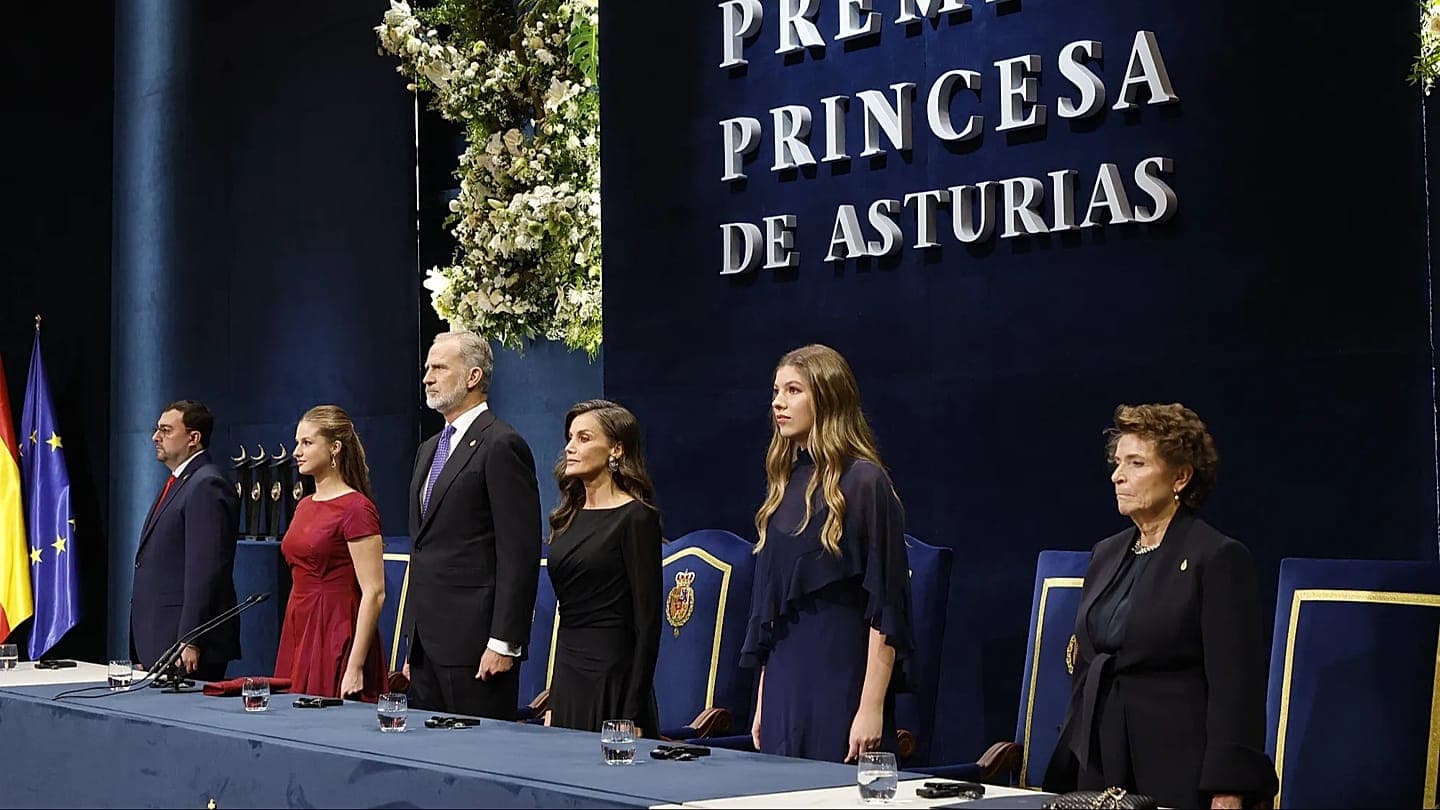
- The 46th Princess of Asturias Awards ceremony was held on Friday at the Campoamor Theatre in Oviedo
- The 46th Princess of Asturias Awards ceremony took place on Friday at the Campoamor Theatre in Oviedo
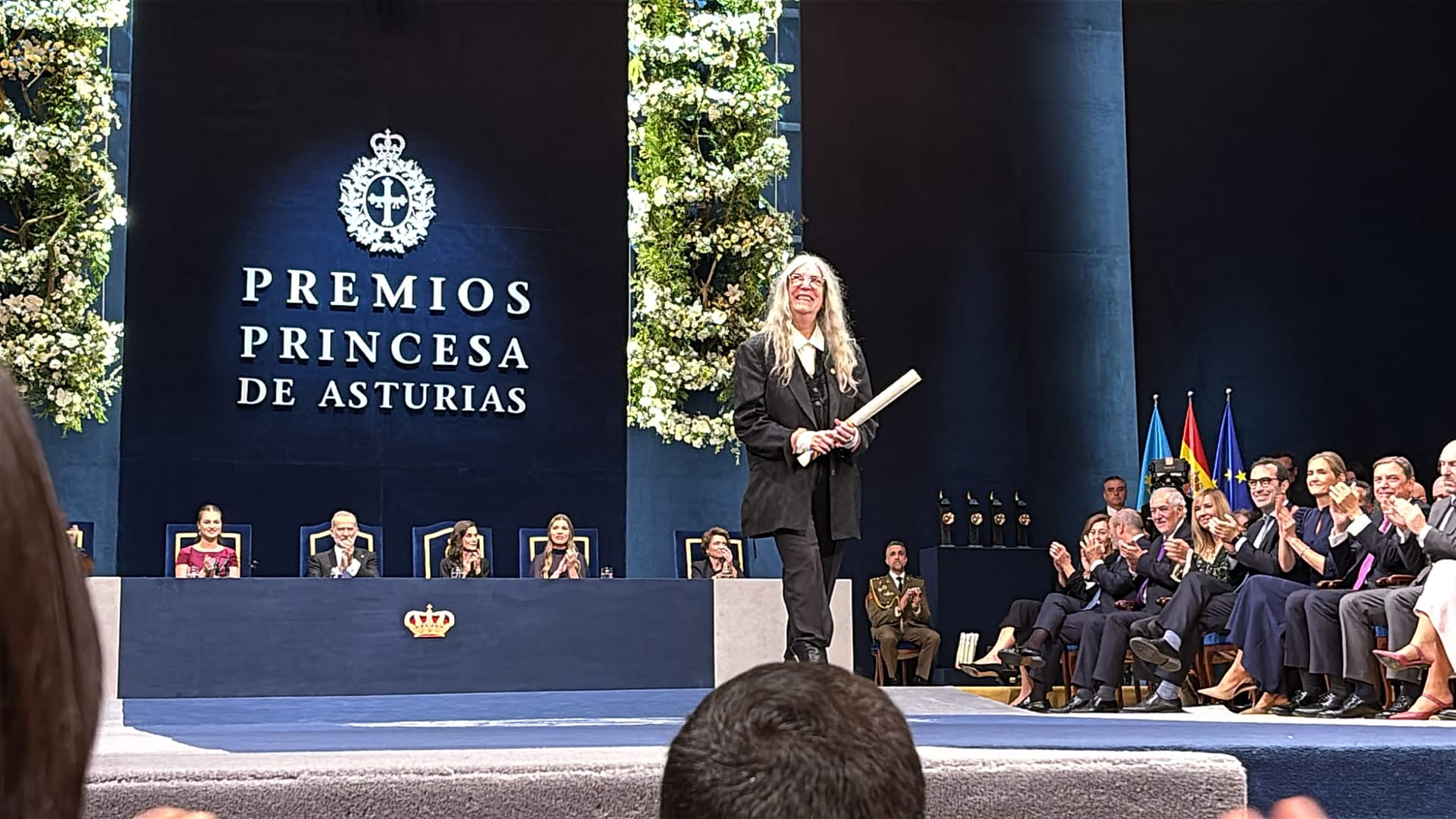
- Patti Smith received the Arts Award, Christina Koch the Award for Concord, and Studio Ghibli the Award for Communication and Humanities
- Patti Smith received the Award for the Arts, Christina Koch the Award for Concord, and Studio Ghibli the Award for Communication and Humanities
- King Felipe VI said that AI sometimes seems more reliable than the human mind, but the laureates' achievements 'shatter that impression'
The ceremony in Oviedo
The 46th Princess of Asturias Awards ceremony took place on Friday at the Campoamor Theatre in Oviedo. The evening was opened by singer and Arts Award laureate Patti Smith, who performed the song 'Wing' — the revolutionary spoken-word poetry with which her career began. According to Euronews, in the song, dedicated to Spain, she mocks the mistaken notion that a person can survive alone, while at the same time defending personal freedom. The audience greeted her with the loudest ovation of the evening, and Oviedo had been giving the laureates a warm welcome on the city's streets in recent days as well.
Unity and freedom in the laureates' speeches
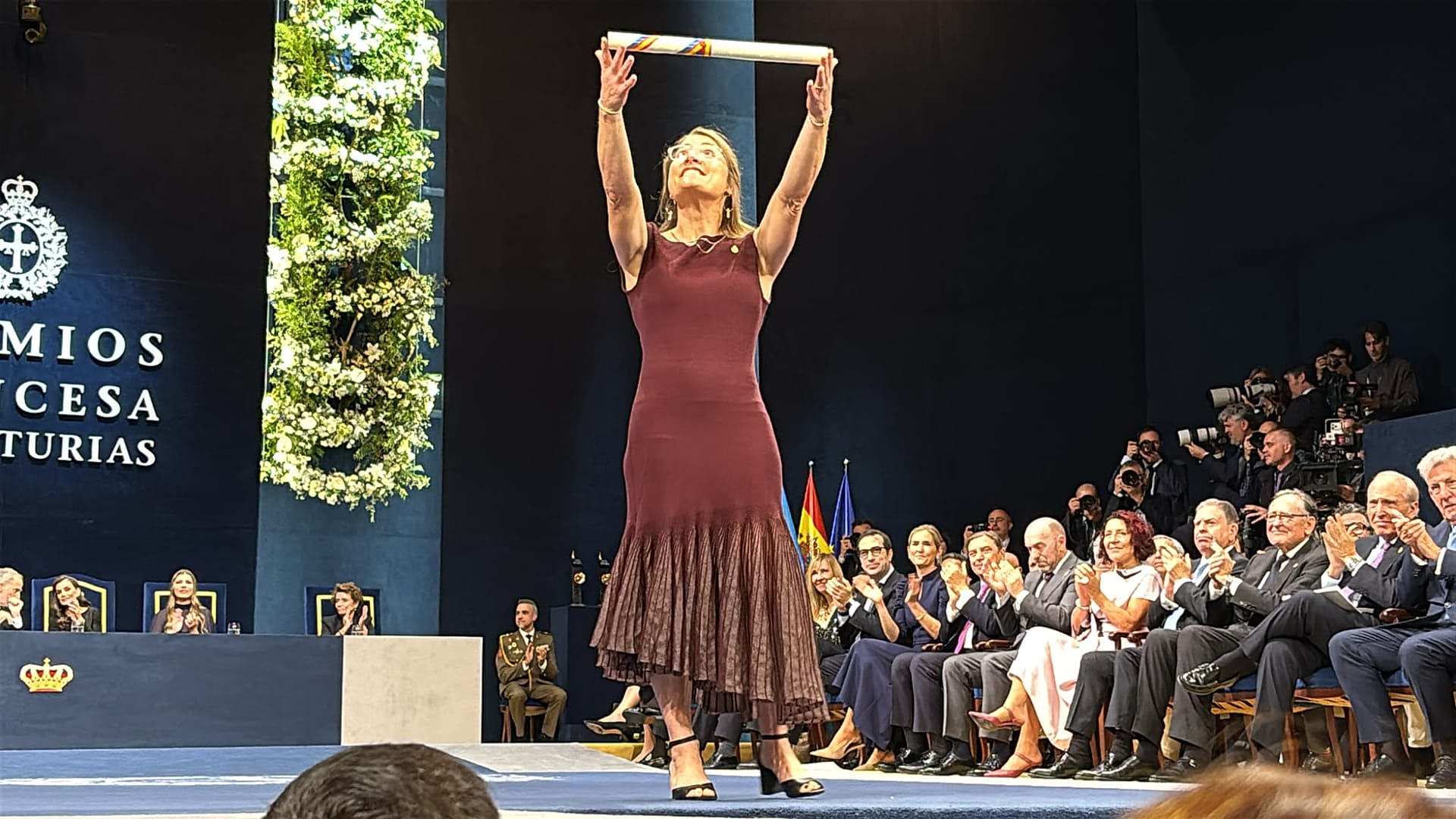
Astronaut Christina Koch, recipient of the Award for Concord, in a carefully crafted speech challenged stereotypes about engineers, beginning with the words: 'The first time I came to Spain, I openly burst into tears in the middle of the street.' Her award, Euronews notes, became a call to unity for 'a species capable of coming together,' bound by 'the search for affection.' British historian Timothy Garton Ash, who grew up in the family of a convinced Brexiteer, twice called Britain an integral part of the Old Continent, drawing one of the few spontaneous ovations of the evening. He also resolutely defended the freedoms won through science, journalism and law, and specifically mentioned the International Criminal Court, which is under harsh attacks from the Trump administration, with its judges placed on US sanctions lists.
Human labour versus AI
The theme of artificial intelligence sounded in the speeches of the royal family. The Princess of Asturias said of Literature Award laureate Julian Barnes: 'No AI will ever be able to reproduce the emotion that your work gives rise to.' Barnes opened the series of speeches with a reference to Velázquez, noting that 'when you look at Velázquez, you realise that everything has already been said.' King Felipe VI put it even more pointedly: in his words, in a world where AI, thanks to its efficiency and immediacy, sometimes seems more reliable than the human mind, the laureates' achievements 'shatter that impression' — talent becomes tangible and lasting realities only through effort and perseverance.
The King on democracy and elections
Felipe VI also addressed Spain's upcoming general election. 'In a mature society such as ours, the practice of democracy also takes time. It is not exhausted by elections alone, such as the ones we will soon hold, when citizens once again take on the enormous responsibility of determining the political direction of our country,' the monarch said. He added that democracy requires daily, civic and demanding engagement, as well as care for forms and institutions, in order to guarantee coexistence and the pursuit of the common good. At the close of the ceremony, the heiress to the throne quoted a phrase associated with the laureate of the Award for Communication and Humanities — the Studio Ghibli studio, represented by its president Koji... represented by its president Toshio Suzuki and director Goro Miyazaki: a hero of one of the studio's films, quoting Paul Valéry, exclaims: 'The wind is rising, we must live!'
Why it matters
The ceremony brought together the themes of personal freedom, collectivity and the value of human creativity at a moment when, in Euronews' formulation, humanity is entering an uncertain second quarter of a century. For a Spanish audience, the King's statement about the upcoming general election and citizens' responsibility for the country's political course has direct significance. Practical context is also provided by the US sanctions against International Criminal Court judges mentioned by Garton Ash — a concrete example of pressure on institutions that protect academic and journalistic freedoms. Note the limitation: the material is based on a single source, and the full list of 2026 laureates is given in it only partially.