The key facts
- Hungary marked the 70th anniversary of the 23 October 1956 uprising, suppressed by Soviet troops; up to 3,000 insurgents were killed.
- Prime Minister Peter Magyar laid flowers at monuments and at the grave of executed prime minister Imre Nagy.
- Ursula von der Leyen spoke in parliament and drew parallels with Viktor Orban's recent departure from power; the question of unfreezing EU funds remains open.
Commemorative ceremonies in Budapest
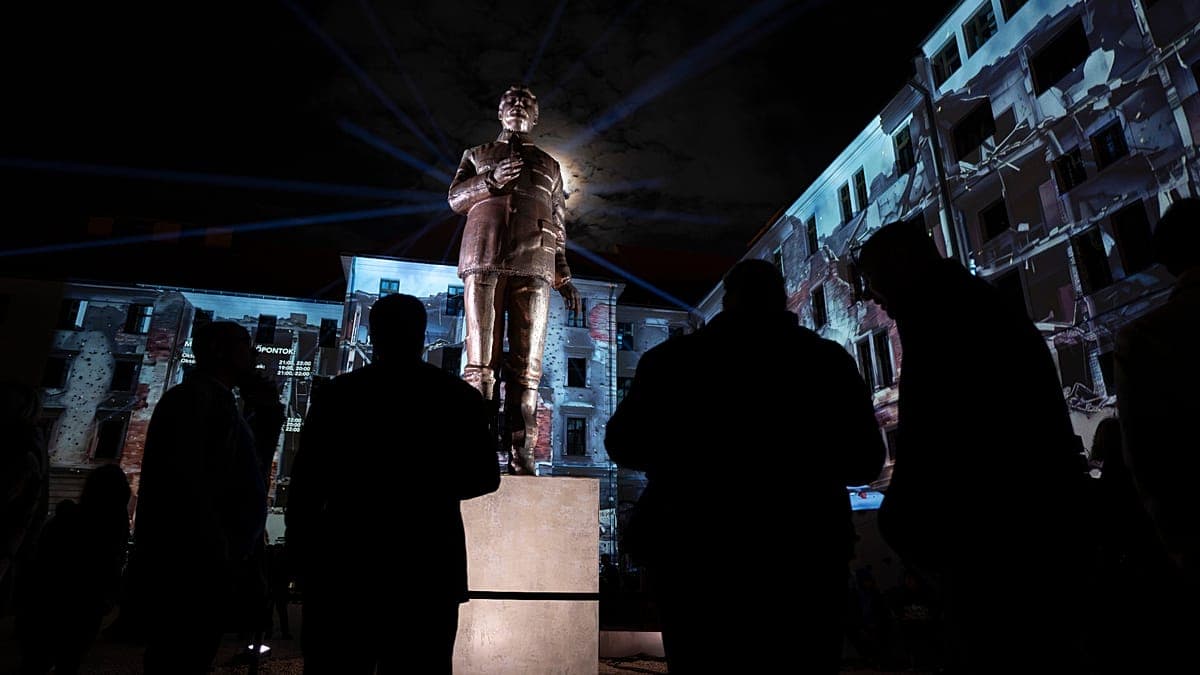
Hungary marked the 70th anniversary of the 1956 uprising. Prime Minister Peter Magyar took part in a flag-raising ceremony in front of the parliament building on Kossuth Lajos Square, after which he laid flowers at monuments and graves, including the grave of Imre Nagy — the former prime minister executed after the revolution was suppressed, Euronews reports. The uprising began on 23 October 1956 and lasted 15 days before Soviet troops and tanks crushed it; according to the outlet, up to 3,000 insurgents were killed.
EU leadership's participation and the political context
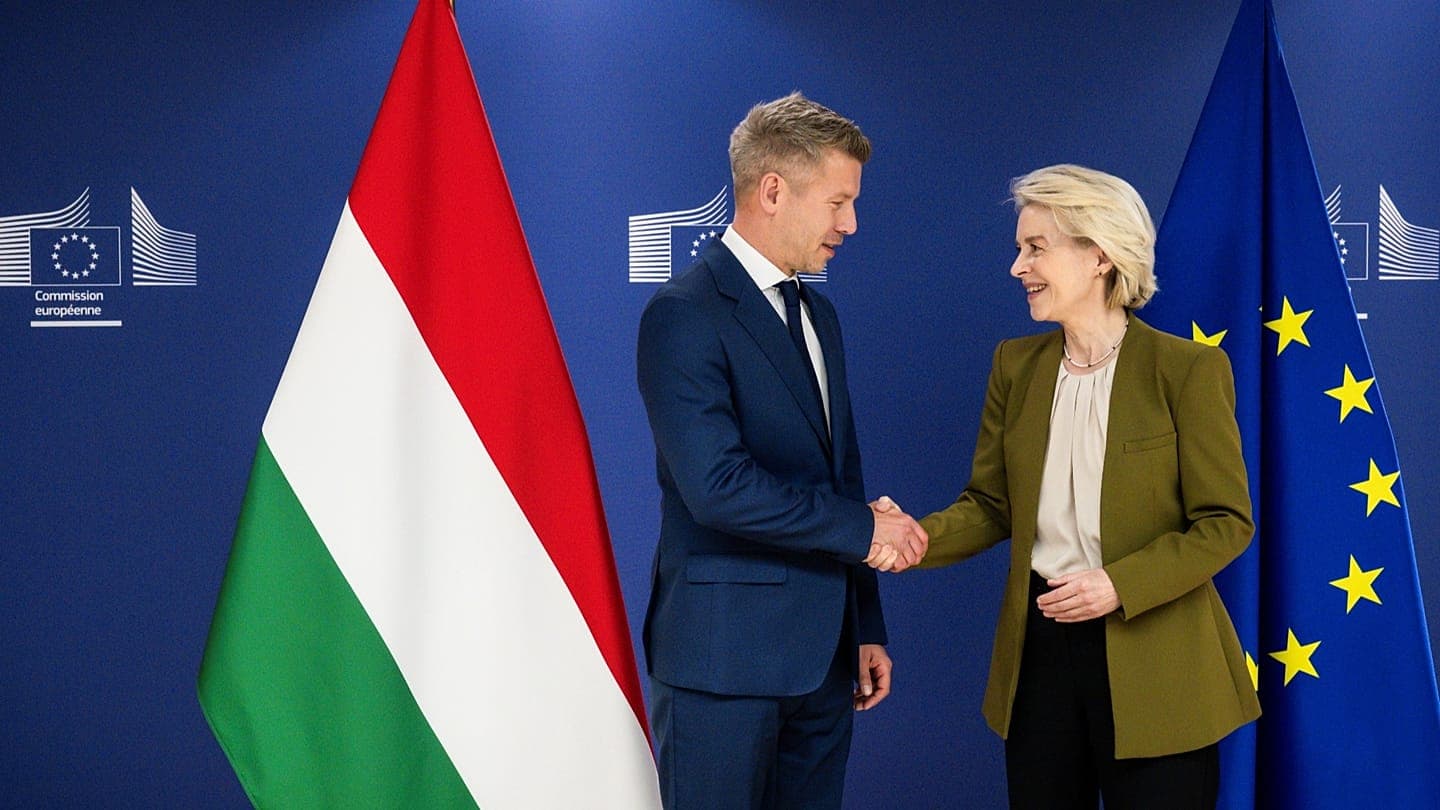
European Commission President Ursula von der Leyen also took part in the events. She addressed Hungarian deputies at a special session of parliament, which was also attended by European Council President Antonio Costa. According to Euronews, von der Leyen highly praised the courage of the Hungarians who fought for freedom, democracy and justice, and drew parallels with the country's recent political transition following Viktor Orban's departure from power. The visit took place against the backdrop of Budapest seeking the unfreezing of billions of euros in frozen EU funds, withheld over concerns related to the rule of law and corruption. According to the outlet, Brussels insists that further reforms are needed before the funds can be released; this remains one of the key tasks for Magyar's new government.
Significance of the event
The combination of the historical date and the visit of the heads of European institutions underscores how closely the memory of 1956 is tied to the current relations between Budapest and Brussels. For the Hungarian government, the question of unfreezing billions of euros is a concrete financial matter, on which the new cabinet's budget execution depends, while for voters the ceremonies became the first major anniversary of the uprising since the change of power. As long as the sides, according to Euronews, differ in their assessment of whether the reforms are sufficient, the timing of the funds' release remains uncertain.