The key facts
- The EC approved Hungary's €5.4 billion loan — the first SAFE round is closed
- Magyar cut the request from €16.4 billion, citing corruption risks under the previous government
- 19 countries requested a total of €129 billion out of €150 billion; Poland received the maximum — €43 billion
Loan approval and completion of the first round
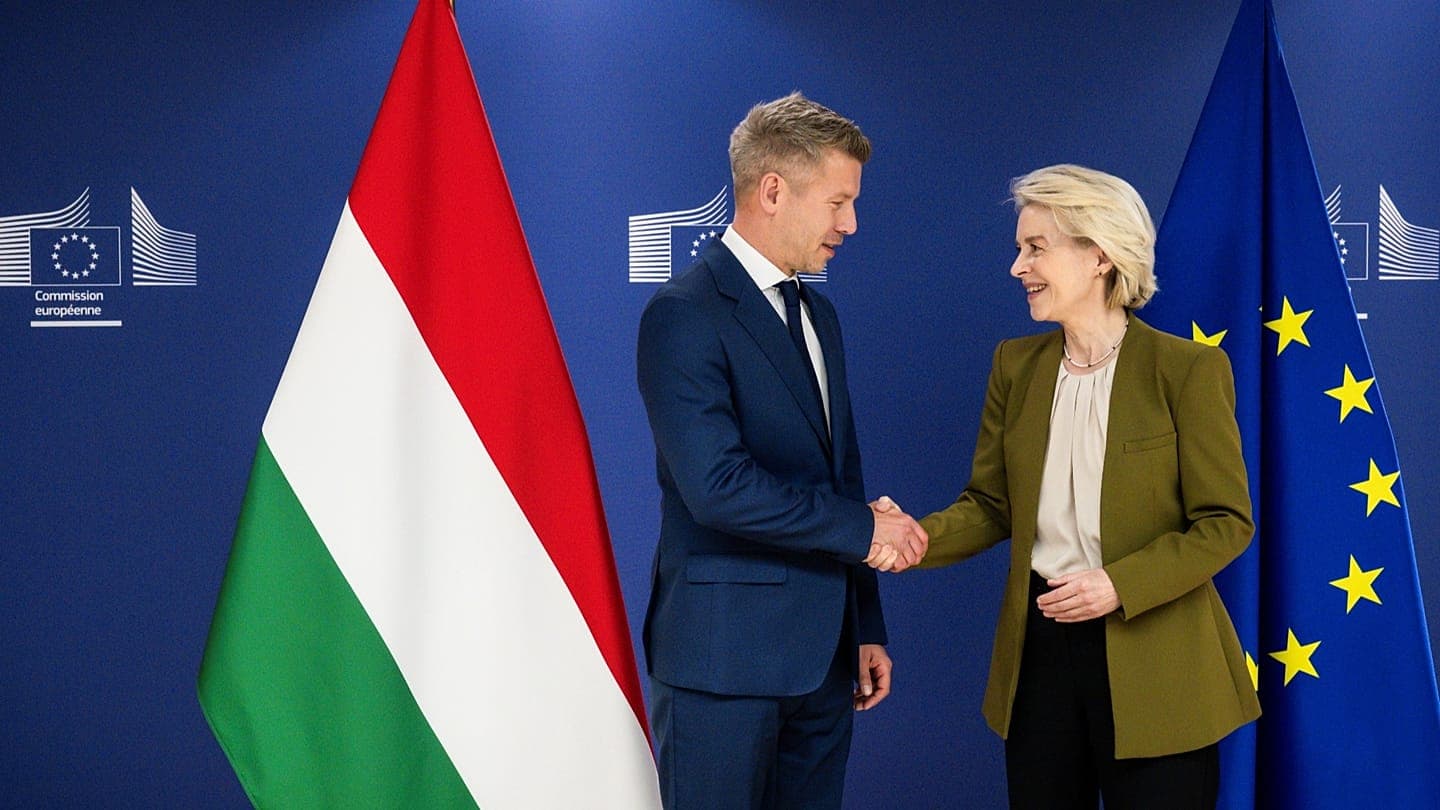
The European Commission has approved Hungary's application for a defense loan under the Security Action For Europe (SAFE) program worth €5.4 billion, officially closing the first round of funding. This was reported by euronews. Before the funds are disbursed, the loan must be approved by the governments of EU member states, after which Brussels and Budapest will sign the credit agreement.
Why Hungary cut its request threefold
Hungarian Prime Minister Peter Magyar, who came to power in April, reduced the application amount from €16.4 billion to €5.4 billion; the revised application was submitted at the end of September. According to available information, he wanted to reassess the original proposal due to alleged corruption risks associated with the previous government.
First round results and what comes next
In total, 19 member states submitted applications for strategic defense investments amounting to €129 billion against an available pool of €150 billion. Poland received the largest loan — €43 billion, while Denmark received the smallest, €46.8 million. According to European Commission spokesperson Thomas Regnier, more than €21 billion remains in the fund. Countries have been invited to express interest in additional or new loans by December, after which the Commission will assess possible new plans. Ireland, which did not take a loan in the first round, expressed interest in the next round, among others: Defense Minister Helen McEntee stated in October: 'I have made that intention very clear.'
Program context
SAFE is a key element of the European Commission's ReArm Europe 2030 plan, aimed at accelerating orders, protecting supply chains, and increasing production through joint procurement of priority capabilities: ammunition, drones and counter-drone systems, air defense, military mobility, and electronic warfare. The program encourages joint procurement and industrial cooperation; at least 65% of the value of components must come from the EU, Ukraine, and certain EEA and EFTA countries, with the remaining 35% from any third countries. A number of intelligence agencies have cited 2030 as a possible timeframe by which Russia could launch armed aggression against NATO.