The key facts
- Gamma scaled through an influencer ambassador program and reached a multibillion-dollar valuation
- Engine reached $150 million in bookings without external funding and without a social media strategy
- Crystal Huang (Google Ventures) advises tracking early data on product usage and customer retention
Discussion at TechCrunch Disrupt
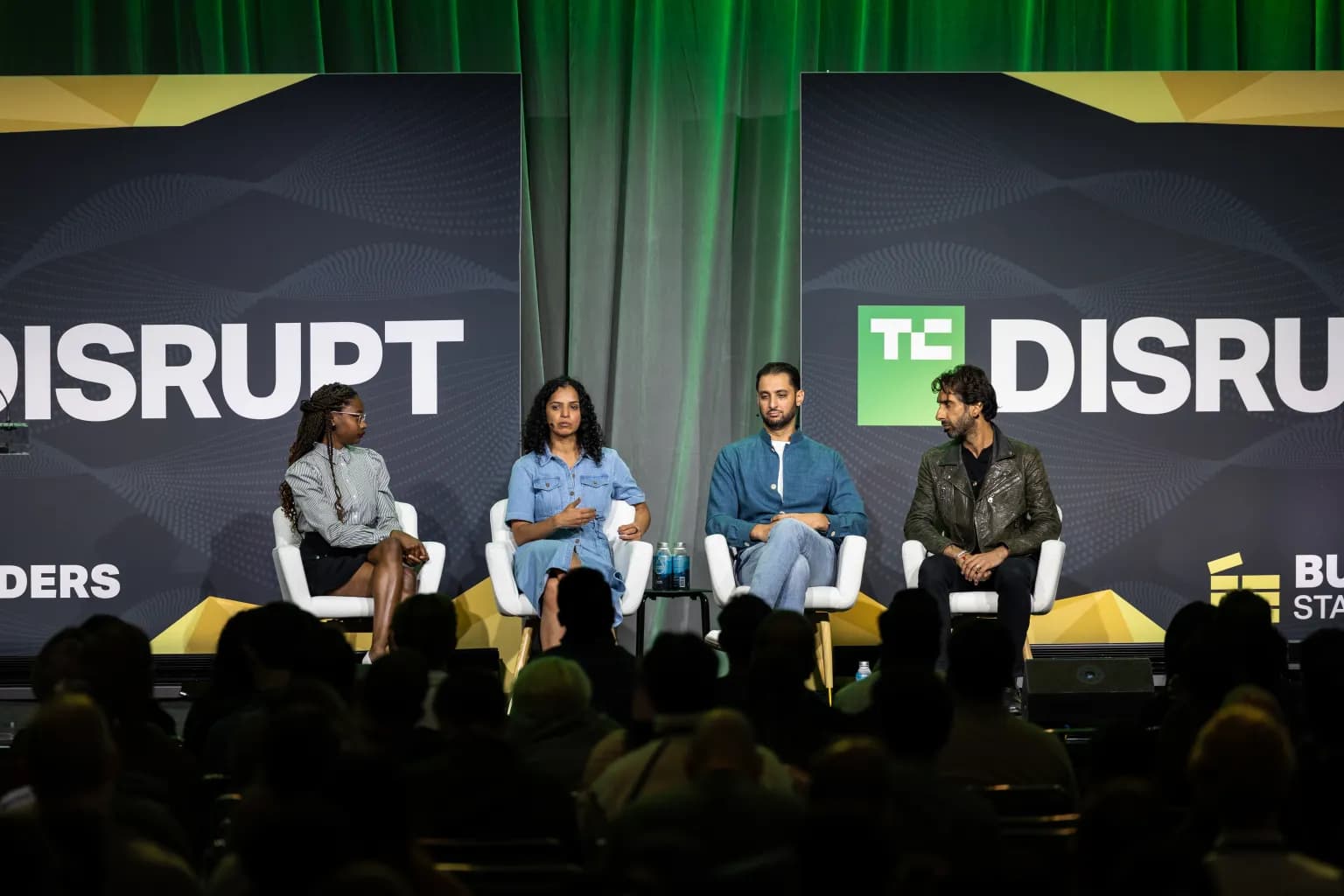
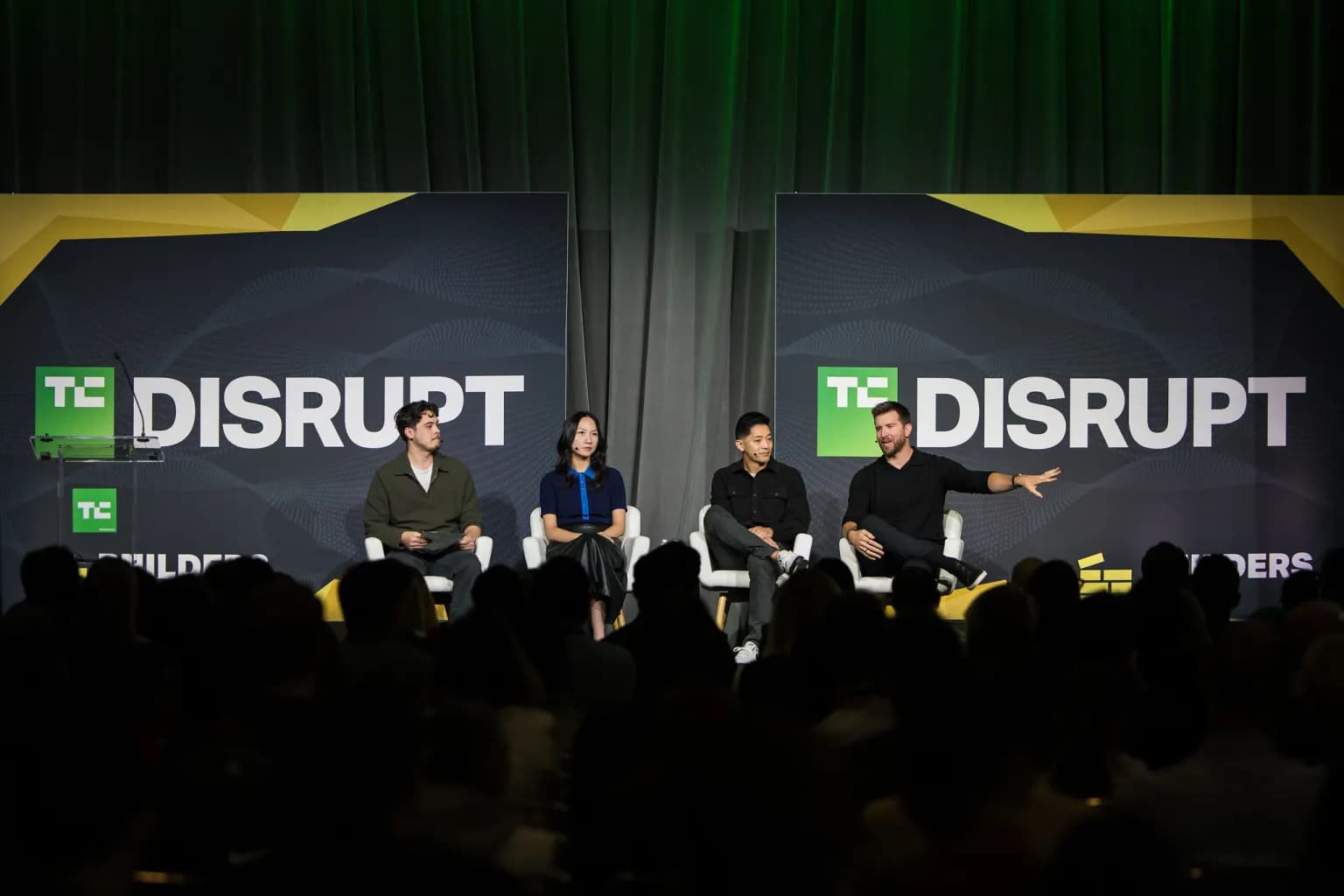
Acquiring your first customers is one of the hardest tasks for a startup, and even early interest that appears doesn't guarantee that customers will stay. Last week at the TechCrunch Disrupt conference, this topic was discussed by Eliya Wallen, founder and CEO of travel startup Engine, Grant Lee, founder and CEO of Gamma, and Crystal Huang, general partner at Google Ventures. The discussion took place against the backdrop of young AI companies like Cluely and Instinct building large audiences not only through their products but also through a prominent social media presence of their founders — however, according to Lee, founders need to act strategically rather than rely on social media as a 'magic bullet'.
Gamma's experience: influencers, but not 'set it and forget it'
Gamma, which sells AI software for presentations, scaled its business with a strategy that leveraged influencers through its Ambassadors program ('Gambassador'). The company adopted this plan even before influencer marketing became a proven strategy for small companies, and ultimately reached a multibillion-dollar valuation — according to TechCrunch, Gamma's valuation was $2.1 billion with $100 million in annual recurring revenue (ARR), as the founder reported. At the same time, Lee emphasized that simply giving influencers a platform and asking them to promote the brand does not mean automatic sales. According to him, if the product serves different segments or use cases, you need creators targeting each of them — for example, consultants and marketers preparing presentations for CMOs. He also noted that founders sometimes treat influencer marketing as a 'set it and forget it' approach: 'It's better to spend a lot of time on these creators, because if they don't understand how to convey the value of your product, it doesn't matter how much money you spend — everything will fail'.
Engine's experience: the phone and magic tricks instead of TikTok
The effectiveness of social media, as the panelists noted, largely depends on the type of business. Engine, which manages housing and travel bookings for mid-market businesses, grew to $150 million in bookings without external funding and without any notable social media strategy at all. Wallen believes that traditional sales can be far more useful than a positive video on TikTok: 'We held events and we made calls. Many people still pick up the phone'. He added that companies that refuse to make calls or don't know how to do them are missing out on a 'very large offline customer base': 'The phone still works'. Among Engine's early tactics was hiring a magician named David, who performed magic tricks for potential clients at events and invited them to visit the company's booth.
Customer retention: data and 'evangelists'
Crystal Huang, who oversees numerous startups at Google Ventures, noted that after acquiring a customer, great value comes from analyzing how they use the product: whether usage is regular, whether it is growing, and whether customers recommend the product to friends. According to her, early usage and retention data can indicate this, as well as the presence of 'superfans' who want to work at the company and promote the brand. 'You need to have ways to create evangelists who are genuinely passionate about the product,' she added.
Why this matters
The discussion shows that 'virality' on social media is not the only path to first customers: two panelists achieved comparable results with opposite methods — Gamma through influencers and a $2.1 billion valuation, Engine through cold calls and events without external money. For startup founders, the practical takeaway from the facts presented is that the choice of acquisition channel should depend on the type of business and customer segments, and retention should rely on data about product usage. Limitation: these are practitioners' tips from a conference, not verified research on channel effectiveness.