The key facts
- In Paris, the police prefecture replaced the agreed demonstration route on Friday evening; the organizers declared their intention to follow the original plan
- Interior Minister Laurent Nuñez announced the mobilization of 70,000 police officers and gendarmes with armored vehicles and water cannons
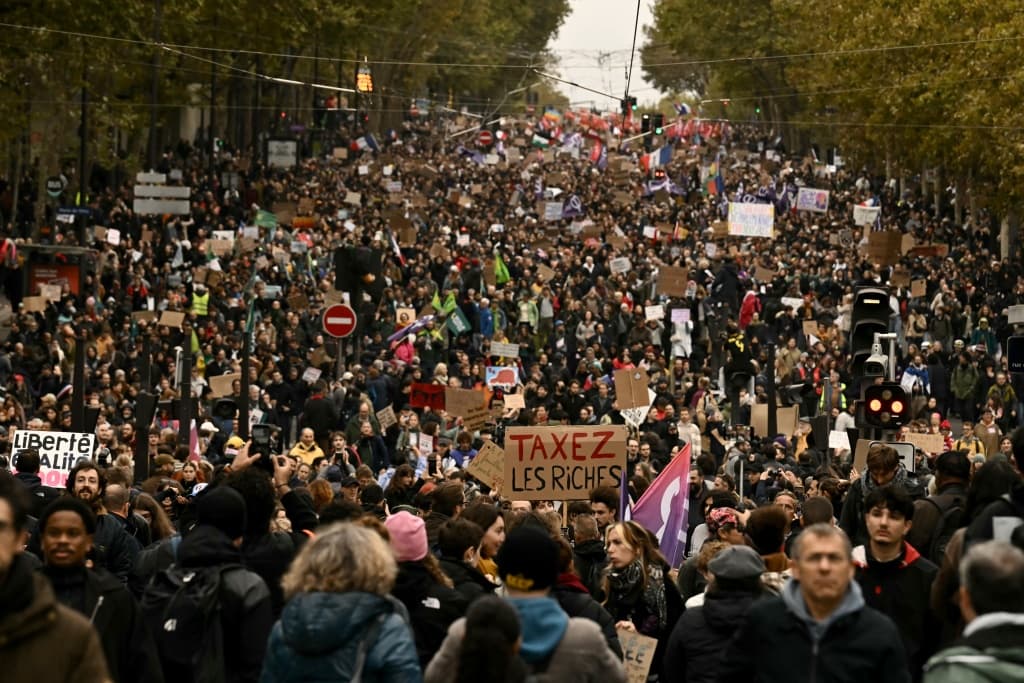
- According to a police intelligence assessment published by Le Monde, between 60,000 and 120,000 people may take to the streets in Paris
- According to police intelligence estimates published by Le Monde, between 60,000 and 120,000 people may take to the streets in Paris
Dispute over the demonstration route in Paris
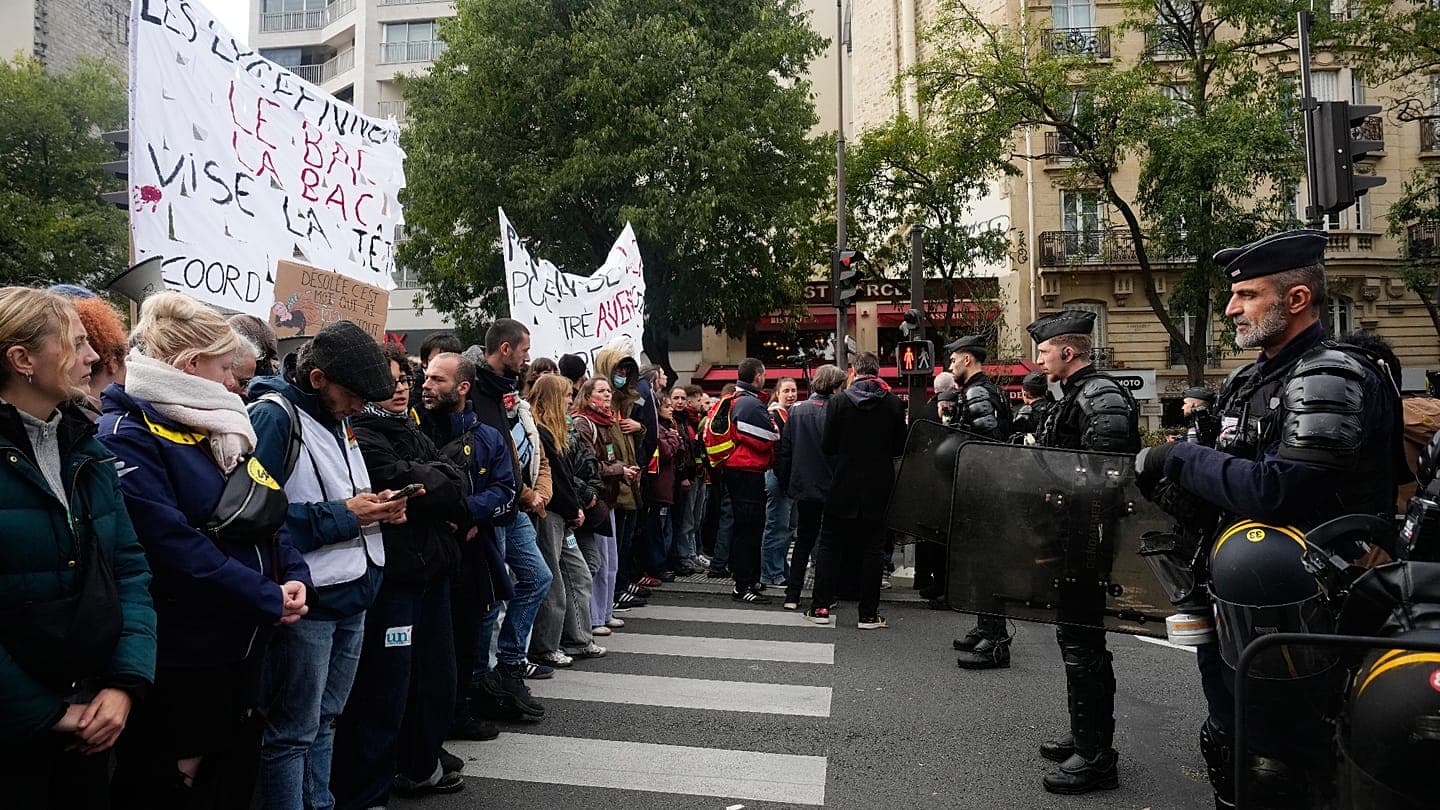
France is preparing for another day of nationwide protests on Saturday amid an escalating conflict between the authorities and the organizers. As Euronews reports, on Friday evening the Paris police prefecture canceled the previously agreed route of a major demonstration, which was to run from the Bastille square to the Nation square. Instead, the authorities proposed a route along the outer boulevards of the capital's southeast, citing the risk of new outbreaks of violence. The unions challenged the decision in court, and the organizers said they intend to stick to the original plan, warning that the new route would be harder to secure.
A large-scale police operation
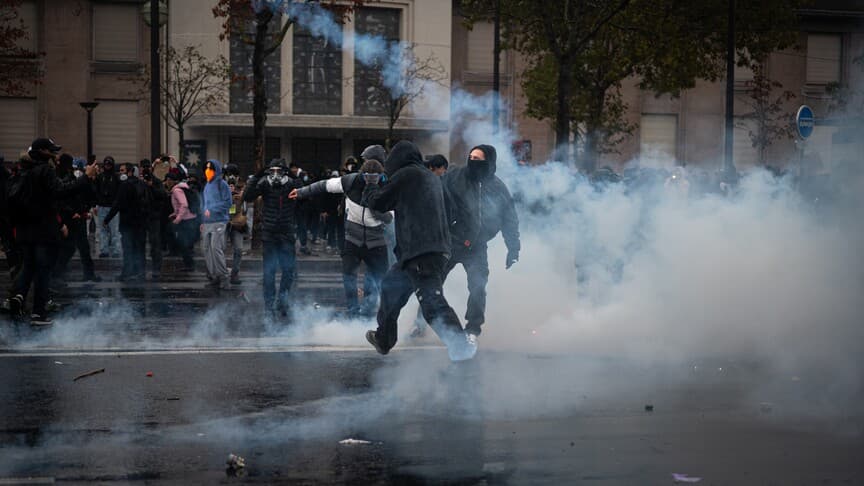
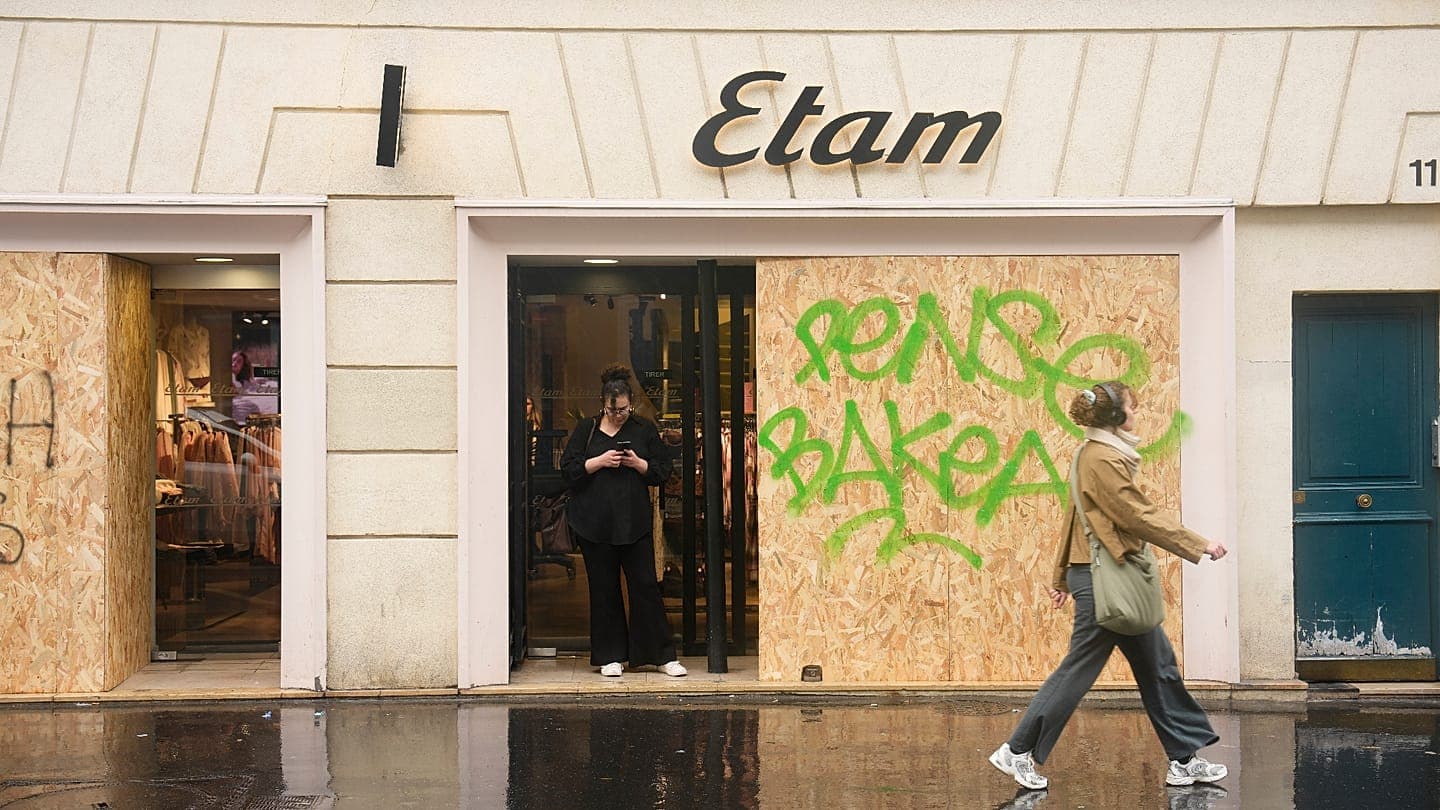
The dispute flared up a week after mass riots: according to the authorities, on October 17, despite the deployment of 60,000 police officers and gendarmes, more than 3,000 stores across the country were damaged or looted more than 3,000 stores. For this Saturday, Interior Minister Laurent Nuñez announced the mobilization of 70,000 law enforcement officers, supported by special units, armored vehicles and water cannons. The outlet notes that such a mobilization is not unprecedented: it is comparable to the operation of July 14 this year, while in September 2025, during the largest rally of the
Assessments and security measures
According to an assessment by police intelligence obtained by the newspaper Le Monde, between 60,000 and 120,000 people may take to the streets in Paris on Saturday from 60,000 to 120,000 people; the police have also identified between 300 and 600 activists potentially prone to violence. The Interior Ministry has instructed prefects to step up checks at train stations and transport arteries, consider restricting the movement of individuals posing a serious threat to public order, and potentially suspend the operation of certain public transport lines.
Government promises and students' reaction
Alongside the tightening of security measures, the government made a number of statements about its readiness for dialogue. Prime Minister Sébastien Lecornu, during a visit to Limoges — where the historic city hall building was destroyed last weekend — promised government initiatives in education and state support for reconstruction. President Emmanuel Macron met on Friday with representatives of secondary schools and, according to participants, promised a large-scale reform of the Parcoursup university admission system. However, student organizations demanding the allocation of 10 billion euros for the modernization of education said they would continue the protests until concrete reforms are announced.
Restrictions in French cities
Restrictions have also been imposed in other cities. In Lyon, where, according to the authorities, looters attacked about 150–200 businesses last weekend, mostly in the Presqu'île shopping district, the prefecture banned demonstrations in large areas of the city center; complaints from the Solidaires union and the League of Human Rights were rejected by the administrative court on Friday evening. Local authorities and the chamber of commerce have hired 40 private security guards to patrol shopping areas. In Bordeaux, the unions are challenging the ban on a demonstration in the center, in Marseille the march will follow a changed route bypassing shopping streets, while in Toulouse, Limoges and Saint-Étienne a curfew and restrictions on gatherings have been introduced. In Orléans, where the National Rally congress is taking place, between 20,000 and 30,000 opponents of the party are expected, and about 3,000 police officers and gendarmes are being mobilized to maintain order.
Why it matters
The event affects millions of residents of France: from the security of retail outlets, thousands of which were damaged a week ago, to students demanding education reform and passengers whose journeys may be disrupted by transport shutdowns. In practical terms, this means intensified checks at train stations, bans on marches in several major cities, and the deployment of 70,000 security personnel — while the court disputes over routes show that the conflict between the authorities and the organizers has not been resolved, and uncertainty remains over whether demonstrators will follow the approved paths.