The key facts
- Macron visited Marseille, where the city hall and shops were damaged on October 17; the authorities acknowledged security failures
- Over the weekend, 1,435 people were detained; 267 police officers and gendarmes and 150 protesters were injured, three of them seriously
- According to polls, the protests and unrest have strengthened support for far-right leader Marine Le Pen six months before the presidential election
Visit to Marseille and meeting with students
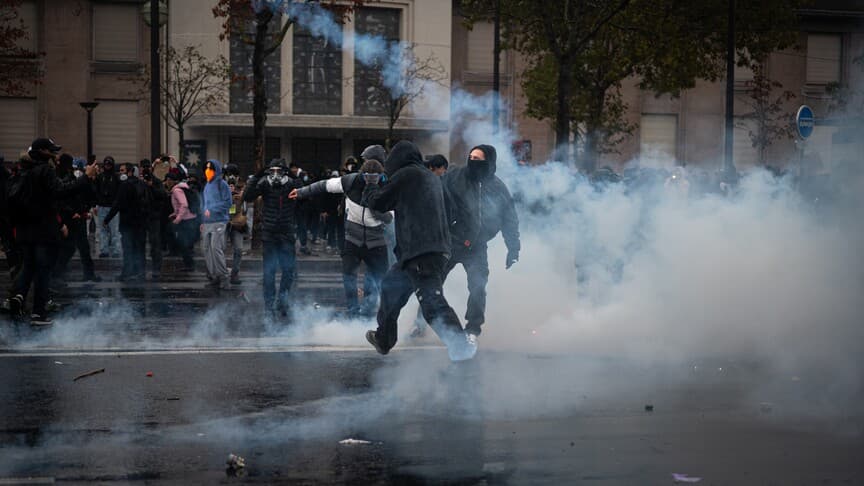
The French government on Monday tried to draw a line under weeks of protests accompanied by violence: President Emmanuel Macron headed to Marseille, while the prime minister was due to meet with studentsdemanding improved learning conditions. This was reported by AFP. The visit was prompted by the riots of October 17, when nationwide demonstrations over the rising cost of living escalated into some of the most serious unrest the country has seen in recent years.
Marseille after the riots
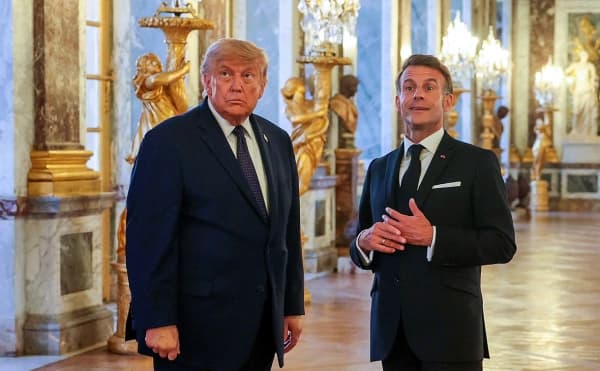
The Élysée Palace announced that Macron would visit Marseille's city hall, damaged during the protest violence on October 17, in France's second-largest city. The president was also due to meet with shopkeepers affected by looting and vandalism and, according to his press office, to 'pay tribute to and thank the internal security forces that helped restore republican order.' On Monday morning, a few hours before Macron's arrival, the windows of many shops in the city center were still boarded up. A presidential aide explained that the visit was meant to show that 'the state is present, stands firm, and fulfills its mission of protection'.
Outcome of Saturday's protests and the number of injured
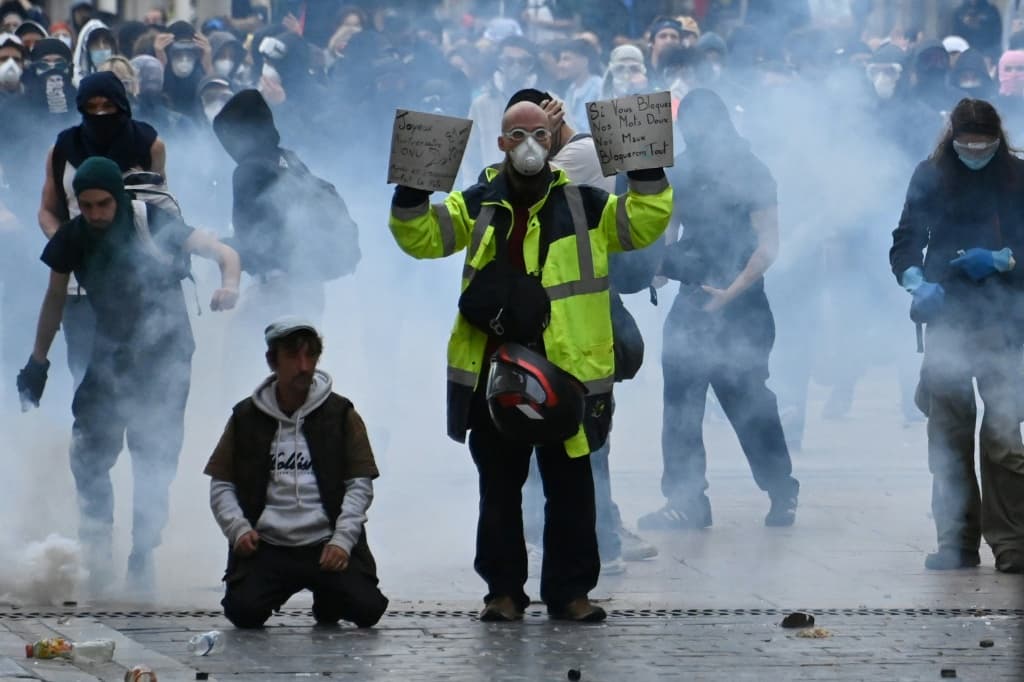
The authorities acknowledged failures in security and intelligence that opened the way for clashes, widespread looting, and vandalism on October 17, and stepped up policing ahead of Saturday's demonstrations. Interior Minister Laurent Nuñez described the outcome of Saturday's demonstrations as more 'positive' than a week earlier, but street violence flared up again in Paris and several other cities, including Marseille. According to him, 1,435 people were detained over the weekend. 'The day was brought under control, there were no serious incidents,' he said on BFMTV. 'Nevertheless, we saw a very high level of violence against the internal security forces.' According to the minister, 267 police officers and gendarmes were injured, as well as 150 protesters, three of them seriously — in Toulouse, Reims, and Clermont-Ferrand.
Origins of the movement and talks with students
The unrest began with weeks of student demonstrations for better learning conditions; several teenage protesters were seriously injured and thousands were detained. The police response to the demonstrations, which included school blockades, was criticized as excessively harsh, which grew into a broader movement against the cost of living and police violence. On Monday, the prime minister was due to meet in Paris with student leaders alongside Education Minister Édouard Geffray and Higher Education Minister Philippe Baptiste, followed by a joint press conference. Macron had already met with school student representatives on Friday, but after the talks they called for the protests to continue until the government puts forward concrete proposals.
Political context and editorial observations
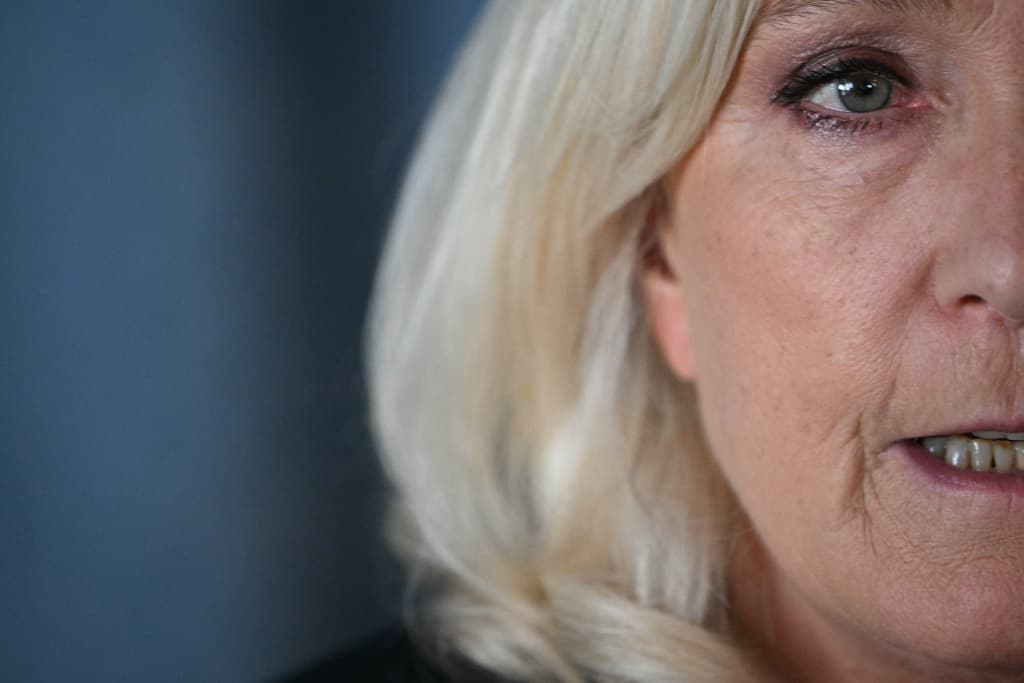
The protests came at a critical moment — six months before the presidential election, in which a new head of state is to replace the centrist Macron. The race's frontrunner, far-right leader Marine Le Pen, held a campaign rally in Orléans on Sunday, where she promised, if victorious, to 'restore the rule of law.' According to polls, the protests and the ensuing disorder have boosted her support against the backdrop of sharp criticism of the government and Macron. Editorial analysis: the combination of security failures acknowledged by the authorities, the significant number of injured police officers and protesters, and rising opposition ratings suggests that the visit to Marseille is an attempt to demonstrate control over the situation, but its effect is limited by the fact that, according to AFP, students called for the protests to continue after meeting with Macron. Amid the unrest, the country was also shaken by a shooting near Paris in which one person was killed and five, including a 12-year-old girl, were wounded; Macron called it a 'racist terrorist attack,' as most of the victims were of foreign origin.