The key facts
- The Labour government abolished non-dom status, raised employer, capital and private school taxes; Burnham's first budget is on 28 October.
- Bloomberg: about half of British billionaires' wealth (£120 billion) has been lost; around 16,000 millionaires are forecast to have left over the past year.
- Fatemi: money is still coming to London, but the government needs 'tax transparency' and dialogue with wealth advisers.
Taxes and the wealth exodus
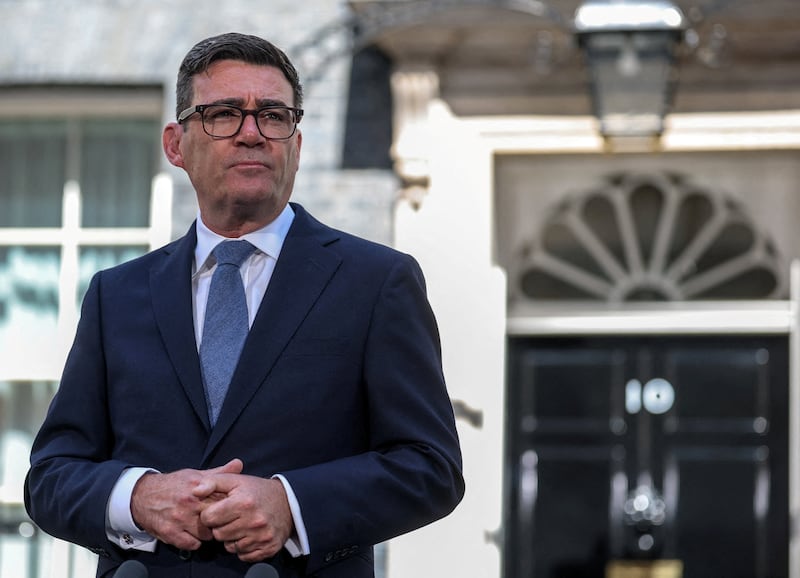
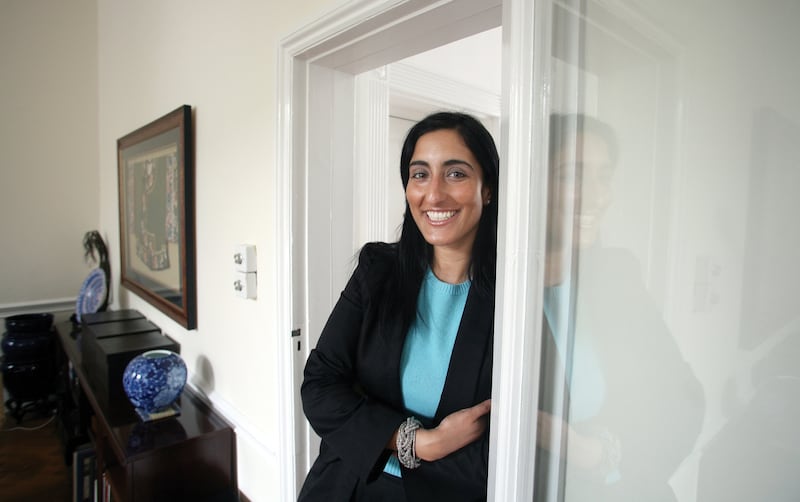
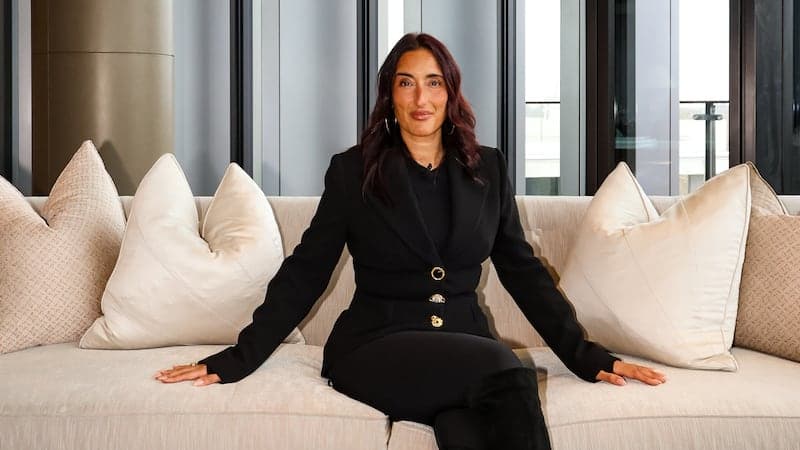
Wealth expert Becky Fatemi, a partner at Sotheby's International Realty, said in an interview with The National that wealthy people should pay a fair share of taxes to 'address wealth inequality', but they should not be squeezed too hard. 'Politically, we cannot alienate wealth. It helps sustain the country's infrastructure, and right now our infrastructure is crumbling,' she said. The Labour government has already abolished non-dom status, raised employers' national insurance contributions, increased capital gains tax, introduced VAT on private school fees and tightened property taxes. Further changes are expected, with the main impact falling on the middle class and the very wealthiest. Fatemi expressed more trust in Prime Minister Andy Burnham than in his predecessor Keir Starmer, but does not consider him the right person to run the country's economy: in her view, trying to please everyone will not work.
The scale of the exodus
Fatemi noted the exodus of the super-rich from London, especially after the abolition of non-dom status. According to statistics, the number of non-dom taxpayers fell by 1,200 in the final year before the abolition. Around 16,000 millionaires are forecast to have left the UK over the past year. According to the Bloomberg Billionaires Index, about half of the combined wealth of British billionaires — £120 billion ($160.7 billion) — has been lost. More than a dozen people with fortunes in the billions of pounds have left the country or weakened their ties to it, including steel magnate Lakshmi Mittal, Aston Villa co-owner Nassef Sawiris and telecoms investor Shravin Bharti Mittal. The UAE has become the preferred destination alongside Monaco, Switzerland and Italy. Fatemi warned that the consequences for the economy will not appear immediately: 'I don't think we will understand these figures for five or six years,' she noted, pointing to a 'domino effect' for employment — from billionaires' personal staff to black cab drivers.
What the government should do
According to Fatemi, 'all is not lost': 'Is money still coming to London? Yes. Can we be smarter about taxes? Yes. Should they be taxed? Yes.' She called for transparency in taxing incoming wealth, noting that structures set up through companies pay 'outrageous' taxes — 'that's where the government is missing a huge opportunity.' The main beneficiaries of the current situation, in her view, are tax advisers. Fatemi suggested the government consult with wealth advisers to understand the real situation at all levels.
From immigrant to billionaire adviser
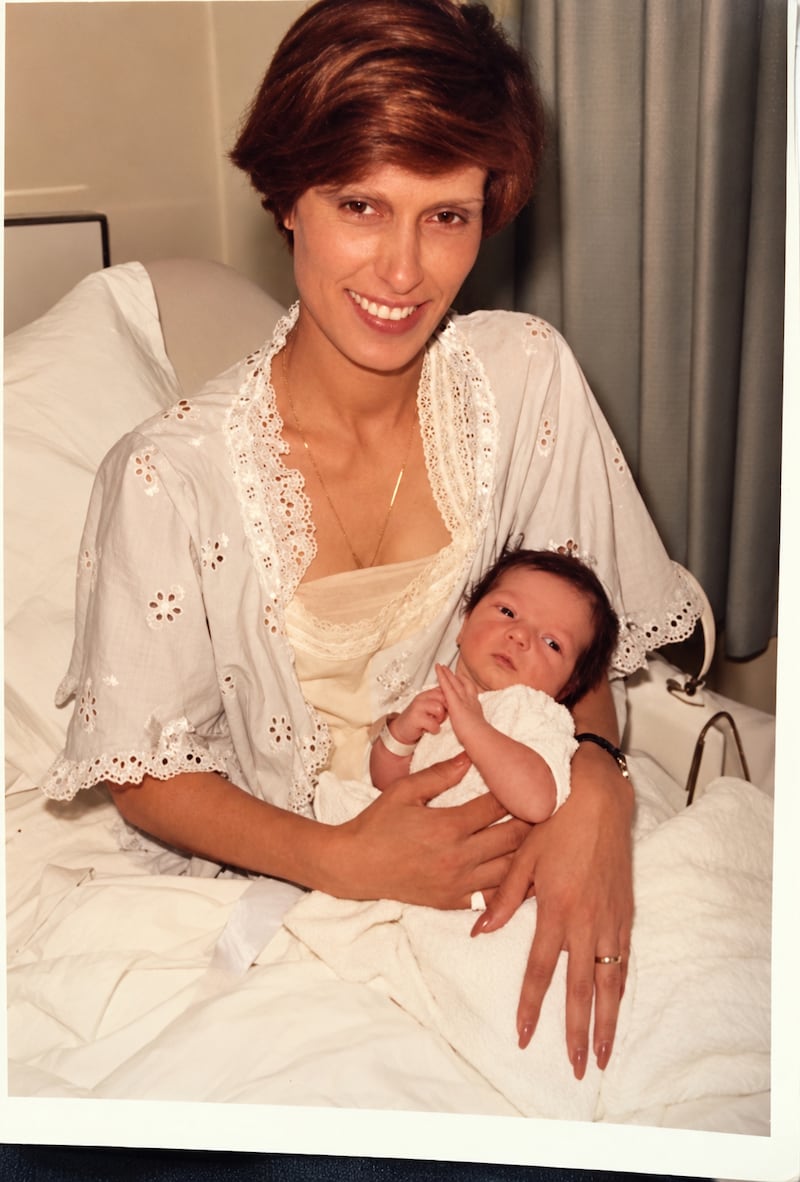
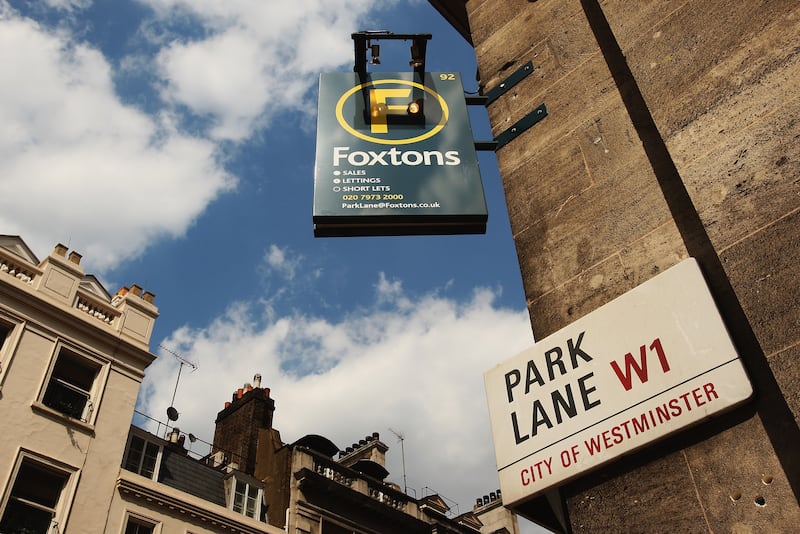
Fatemi, born in 1976, moved to London from Iran as a baby and was raised mostly in a single-parent family; her father was an Iran Air pilot before the revolution. She worked as a TV saleswoman, a hip-hop DJ, at McDonald's and Selfridges, and then spent more than a decade as a top employee at Foxtons, after which she founded her own company Rokstone, reaching £6 billion in sales with profit every year for 13 years, including during Covid. During a viewing of a £30 million property on Piccadilly, a former colleague introduced her to George Azar, who was assembling an 'Avengers team' after buying the Sotheby's franchise; after a 10-minute Zoom call she became a partner. She also launched the Blackbook platform — a LinkedIn/Instagram analogue for creatives — and the Shadow to Shine charity foundation. She now advises clients including a 'prominent billionaire' from New York, works with Middle Eastern royal families and clients from the UAE and the Gulf, visiting Abu Dhabi, Dubai, Qatar and Saudi Arabia three or four times a year.
London property outlook
Despite the difficulties, Fatemi will likely recommend London to long-term investors because of its 'solidity' and 'resilience'. 'The market will remain firm if you invest in prime and super-prime properties,' she said. 'And the people I advised to do so have made a lot of money.' After three decades of deals, she says she has developed a 'sixth sense' for identifying long-term opportunities.