The key facts
- The government recommends a three-day stockpile: nine litres of water per person and non-perishable food
- The advice was given amid storms in the UK and an NAO warning about the food supply chain's vulnerability to cyberattacks and the climate crisis
- Politicians reacted differently: James Murray admitted he had not yet followed the advice, while Kemi Badenoch criticised the government
Government recommendations
UK Prime Minister Andy Burnham advised citizens to stockpile canned food and bottled water in order to be prepared for emergencies. According to him, 'unexpected events do seem to be becoming more frequent' — against the backdrop of storms battering the country and online outages caused by a serious security vulnerability. The government has drawn up recommendations under which households should keep a three-day supply of bottled water and canned food in case of war, a cyberattack or a natural disaster.
Household checklist
The government-drawn checklist recommends having nine litres of water per person — enough for three days — as well as non-perishable food: canned meat and vegetables or dried fruit. The list also includes a battery-powered or hand-crank FM radio: in the event of a national crisis, the BBC will prioritise broadcasting news and health and safety information, and in the event of a serious power outage, FM radio will be the best way to receive these messages. Also recommended are hand sanitiser, wet wipes and toiletries, pet food, baby supplies, a torch, blankets, a charged power bank, cash in case payment systems fail, a first aid kit and copies of important documents.
Burnham's statements and colleagues' reactions
Speaking at England's first wildfire resilience summit in Liverpool, Burnham rejected suggestions that the government had not prepared properly. He noted that the country is currently facing storms and expressed sympathy for residents of Cornwall who were left without electricity. Responding to a question about a joke by Housing Secretary Angela Rayner, who told the Labour conference that her 'emergency kit' would include baked beans, condensed milk, mascara, concealer and a bottle of sauvignon blanc, Burnham remarked that he was not sure a bottle of wine is the best first choice in a crisis, but it probably helps once the main work is done. He himself, he said, keeps a stock of beans and soup at home, and also cannot go long without Twiglets.
Reactions from ministers and the opposition
Treasury Minister James Murray told BBC Breakfast that he had not yet followed the government's stockpiling recommendations, although he does have a supply of coffee. He pointed out that neighbouring countries — Ireland, France and the Netherlands — have been giving similar recommendations 'for quite a long time now', and added: 'I won't pretend that I've already followed all of this advice myself.' Conservative leader Kemi Badenoch said she has 'a week's worth of supplies at any given moment' and recalled that the previous Conservative government issued similar advice. At the same time, she criticised the current government: in her words, the government does not explain what risks the country faces and what it is doing about 'the big issues' — defence, cyberattacks and hybrid warfare — and money for looking after the country 'is not being allocated'.
Food security warnings
Last month, the National Audit Office (NAO) warned that the UK's food supply chain is under threat from the growing danger of cyberattacks and the climate crisis, and stated that the Department for Environment, Food and Rural Affairs (Defra) has in recent years done too little to improve the resilience of supply chains. The head of the Cold Chain Federation — an organisation representing companies that transport temperature-controlled food — also told the BBC that the UK is being attacked by Russian cyber hackers who 'know there are bottlenecks in the food system'.
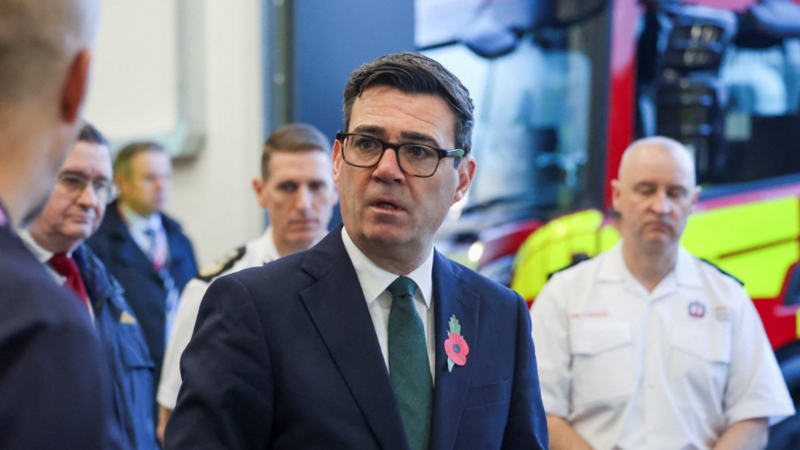 Image source, PA Media
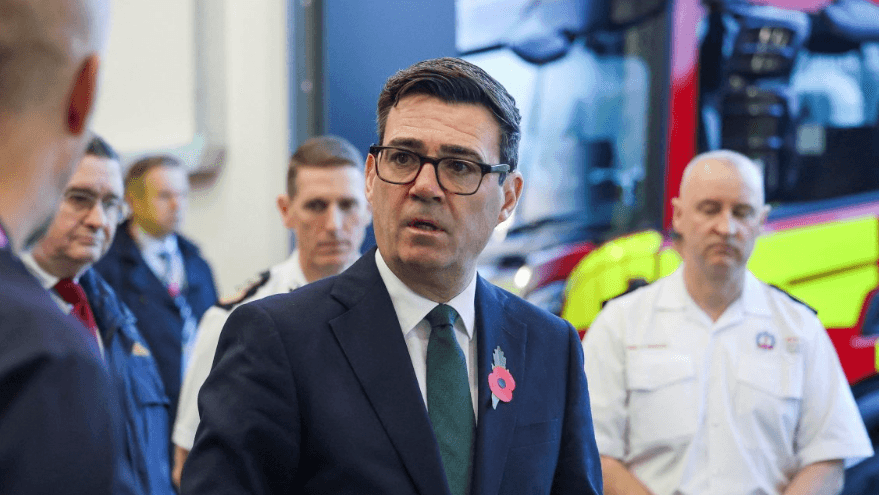
Prime Minister Andy Burnham meets members of the fire and rescue services during England's first wildfire resilience summit