The key facts
- Ukrainian officials report that Starshield terminals still lose connectivity at speeds of about 161 km/h, despite Trump's statement.
- According to the WSJ, Trump called Musk on October 21 asking him to lift the restrictions; responsibility for imposing them remains disputed.
- Ukraine signed a letter of intent with ICEYE and Nokia on developing sovereign satellite communications.
Restrictions remain, Ukrainian military says
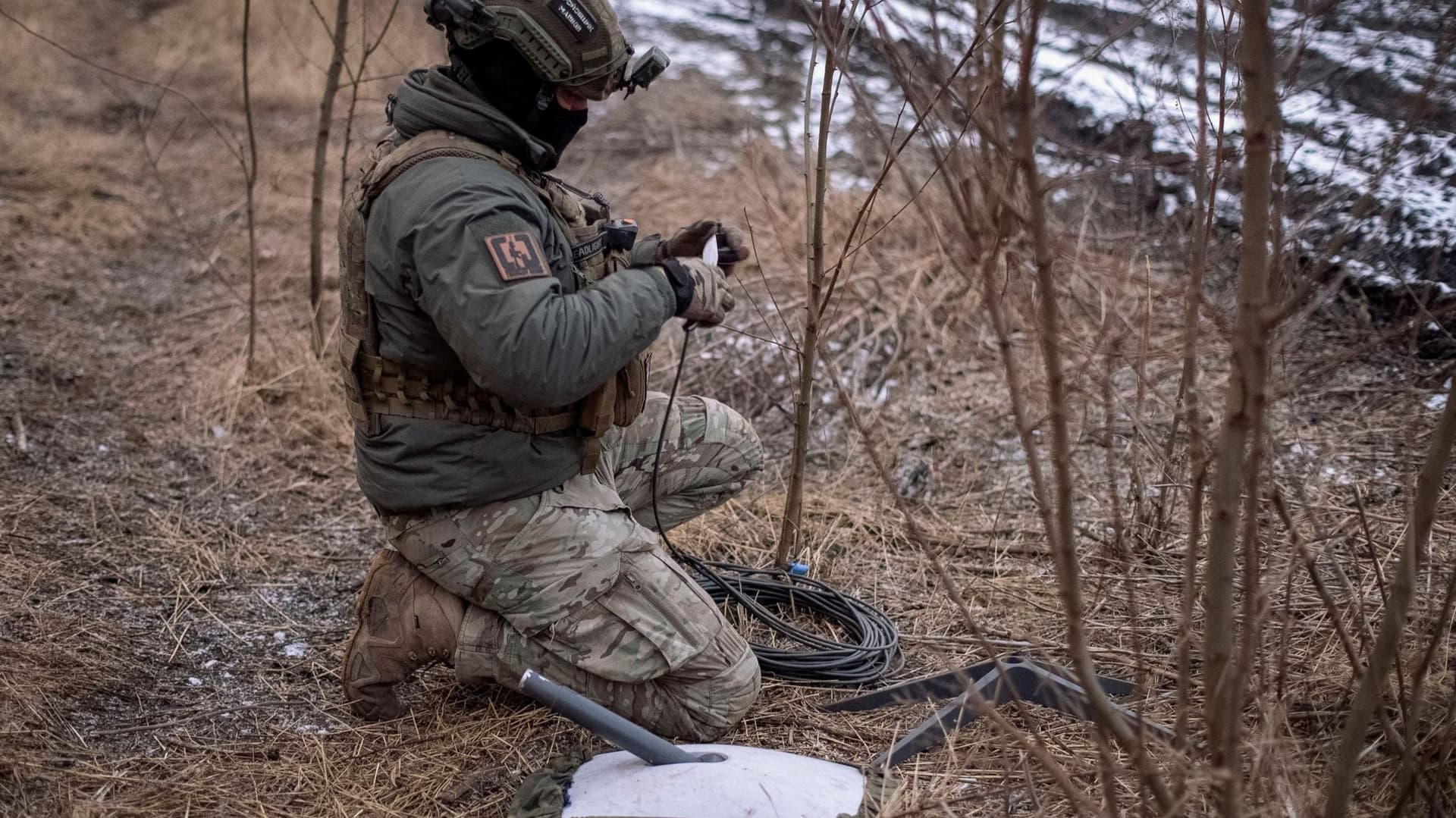
Restrictions on Starlink and its military version Starshield have not been fully lifted along the front lines in Ukraine, Ukrainian defense officials said on Friday, despite US President Donald Trump's claim that Elon Musk removed them. Officials monitoring the systems continued to record cases of terminals losing connectivity while moving at 161 km/h. Serii Beskrestnov (call sign Flash), an adviser to President Volodymyr Zelensky, wrote on Facebook that there are no signs of the restrictions being lifted, and isolated cases of operation slightly above the limit are likely explained by SpaceX algorithms or terms of use, not by the removal of restrictions.
Trump's call to Musk and the dispute over responsibility
The statements followed a report by The Wall Street Journal that Trump called Musk on October 21 asking him to lift the restrictions on Starshield. After the call, American and Ukrainian officials reported improved connectivity, although some noted that full functionality had not been restored. Trump then said Musk had lifted the speed restrictions, but declined to confirm whether he had personally called. The disruptions began without warning on October 14, when Starshield terminals used by Ukrainian forces began losing connectivity at speeds of about 160 km/h. This disrupted military operations, including medium-range strike drone missions and the work of interceptor drones protecting Ukrainian cities from Russian air attacks. Responsibility remains a matter of dispute: the WSJ reported that Musk ordered the restrictions imposed, while other accounts pointed to possible involvement of the White House. Trump denies issuing such an order; neither SpaceX nor the US administration has publicly accepted responsibility.
Ukraine seeks alternatives to Starlink
The episode underscored Ukraine's heavy dependence on Starlink — a key element of battlefield communications, drone operations and air defense — and the risks of relying on a satellite network controlled by a foreign provider. Ukraine is developing its own satellite capabilities: on Thursday the defense ministry signed a letter of intent with the Finnish companies ICEYE and Nokia on developing a sovereign satellite communications system. Zelensky announced the agreement during a visit by Finnish Prime Minister Petteri Orpo to Kyiv, calling it 'important for our defense and Ukraine's resilience.' The proposed systems would give participating countries ownership and control over satellites, ground infrastructure and terminals. ICEYE CEO Rafal Modrzewski said Ukraine needs 'secure, sovereign and high-performance satellite communications systems that it controls.' Nokia Defense Chairman Mikko Hautala added that the partnership would give Ukraine 'control over the communications it depends on.' The agreement remains at an early stage, and for now Ukraine still depends on Starlink for critical battlefield communications.