The key facts
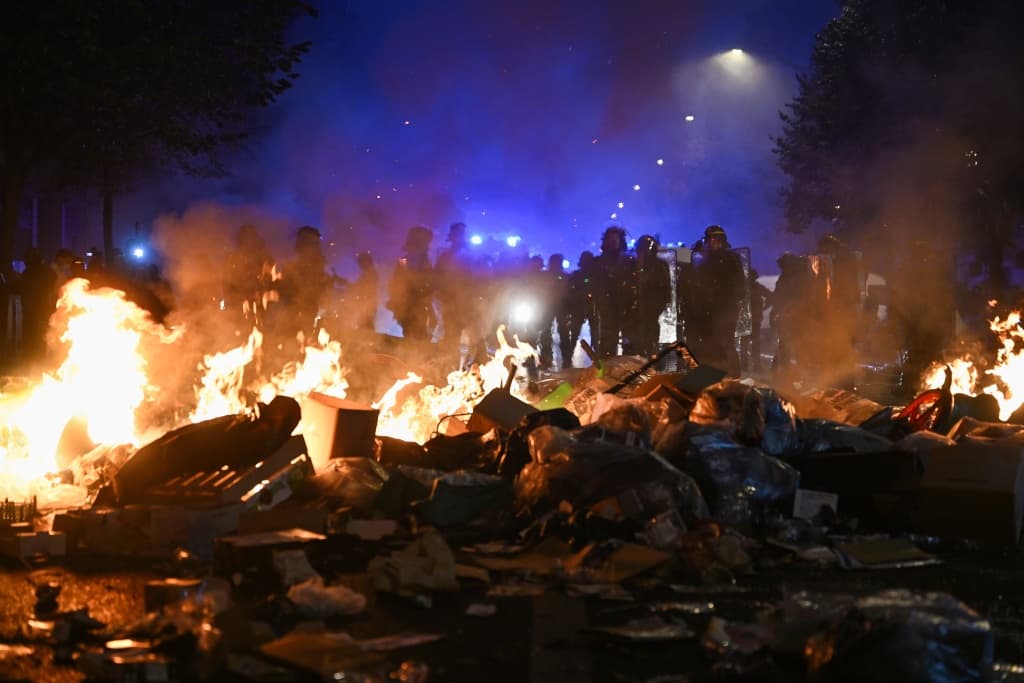
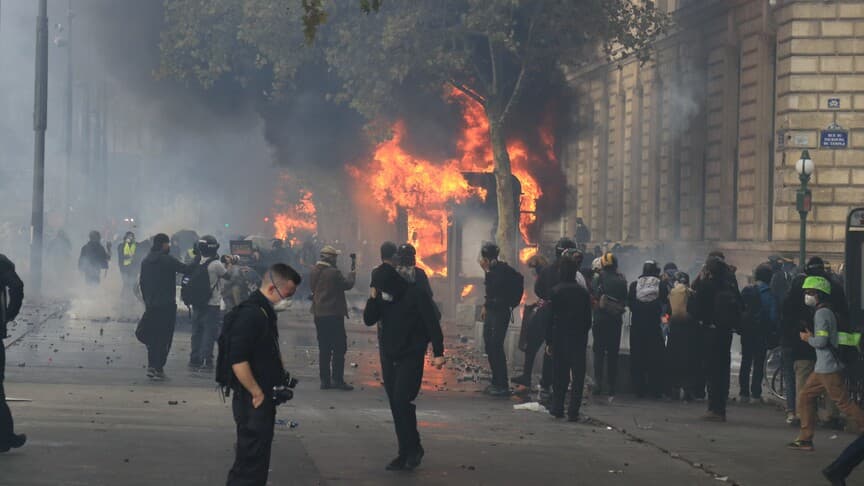
- France saw the largest protests — more than 500,000 participants, with vandalism and looting reported
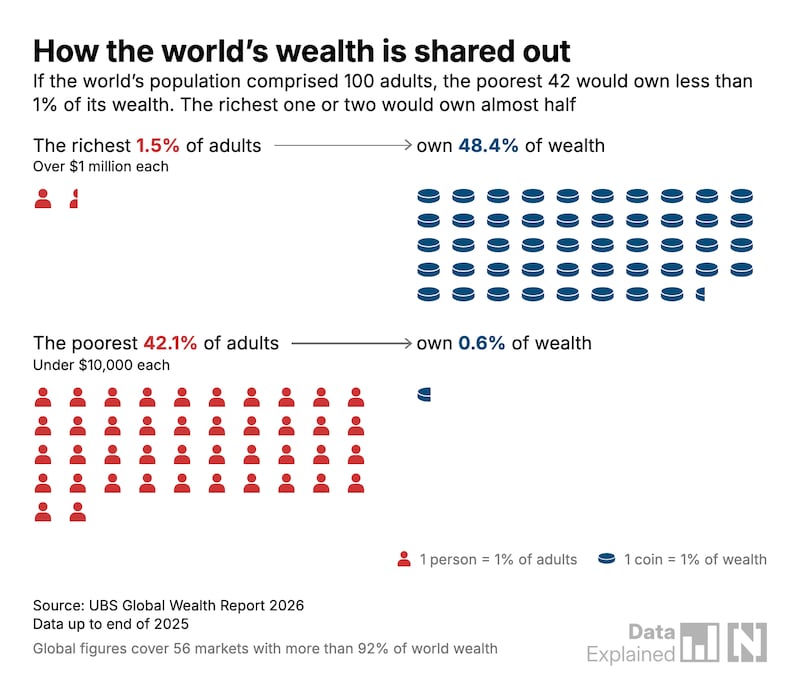
- According to the UBS Global Wealth Report 2026, 58 million adults (1.5%) own 48.4% of global wealth, while 1.62 billion (42.1%) own just 0.6%
- In India, the protests are linked to changes in electoral rolls, not the cost of living
A wave of protests without a single cause
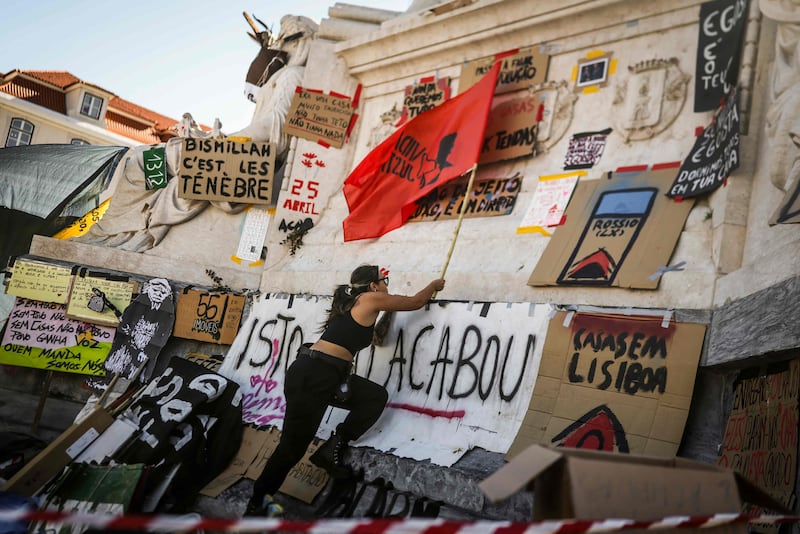
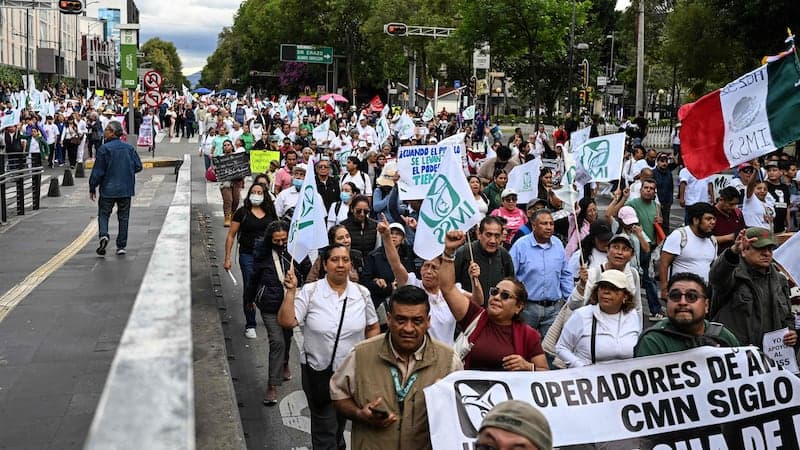
In several countries across Europe and Asia, protests are taking place whose participants express dissatisfaction with the cost of living, the state of public services, and their own prospects. As The National notes, there is no single unifying motivation behind the international wave of protests, but the common underlying factor is undoubtedly the rising cost of living. The largest demonstrations took place in France: over the weekend, more than 500,000 people took to the streets, with outbreaks of looting and unrest reported. In Lisbon, Portuguese protesters rallied against rising prices, echoing the demonstrations that have swept Europe in recent weeks.
The wealth gap according to UBS
The backdrop to the protests, in the publication's view, is also the growing wealth gap. According to the UBS Global Wealth Report 2026, 58 million adults — 1.5% of the world's population — each hold more than $1 million in assets, and they account for 48.4% of global wealth. At the other pole, 1.62 billion adults (42.1%) each have less than $10,000; together they own just 0.6% of global wealth.
Prices rose, inflation slowed — but did not reverse
The pressure on household budgets is illustrated by price dynamics since 2000. In France, a basket of goods costing $100 in 2000 cost $151 in 2025. In Serbia, the equivalent figure reached $1,054, and in Iran and Turkey it is even higher, which is why the comparison is presented on a logarithmic scale. Inflation in many countries has fallen from recent peaks, but this only means prices are rising more slowly, not returning to their previous levels. The publication names the price of energy and fuel as a separate factor behind protest discontent in Europe and Asia.
Limits of the conclusions
The National stresses that the data presented do not explain every protest and do not prove that wealth inequality was the cause. For example, the demonstrations in India focus on changes to electoral rolls. But the statistics show why falling inflation alone may not feel like relief: prices remain significantly higher than previous levels, and in some countries wages are not keeping up with them.