The key facts
- Authorities are imposing protest bans in Lyon, Grenoble, Rouen, Le Havre and Toulon; in Paris the march is allowed only in the eastern part of the city
- Macron blamed violence on 'organized far-left groups' seeking to 'overthrow the republic'; a state of emergency will not be declared
- Justice Minister Darmanin: of 2,700 detained, 217 are in custody and another 1,000 are being prosecuted; 20% more police will be deployed on Saturday
Bans and restrictions across the country
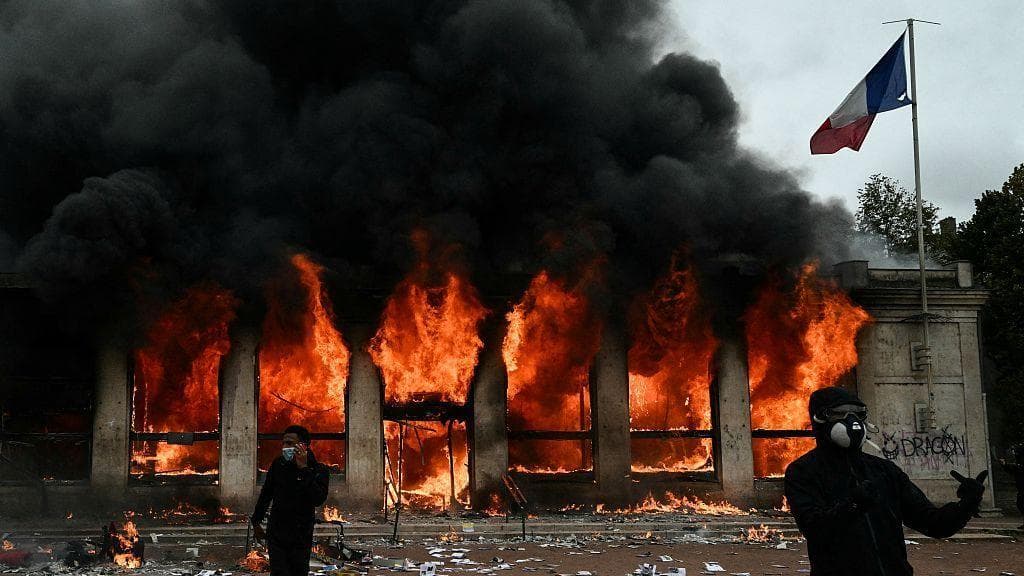
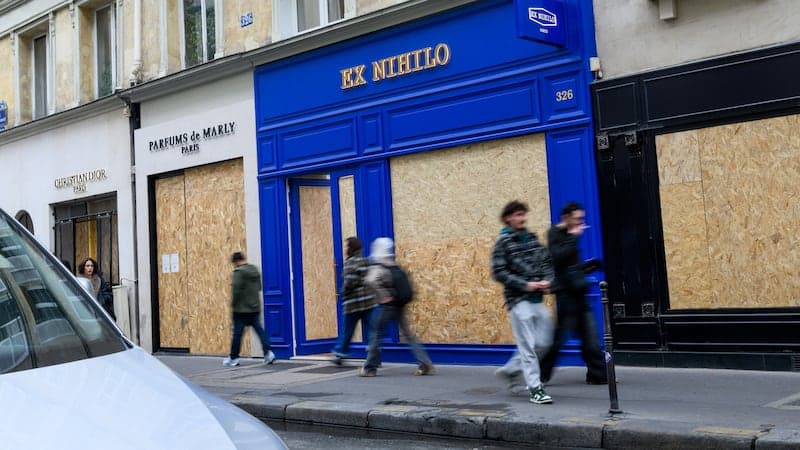
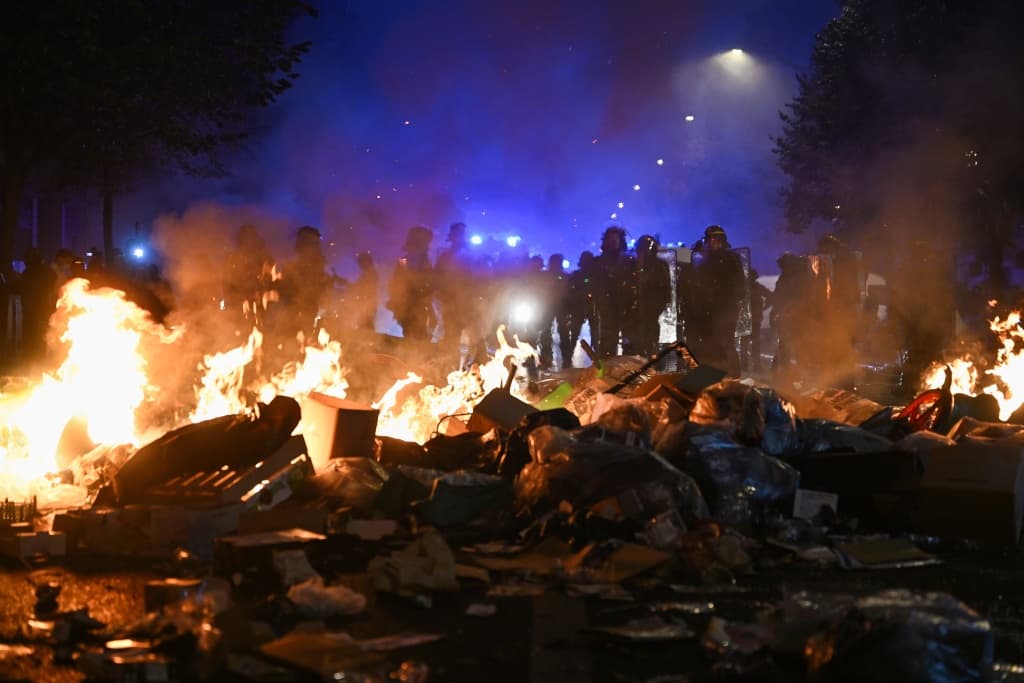
French authorities on Thursday imposed bans and restrictions on new protest actions, following last weekend's demonstrations that escalated into the most serious street riots in recent years. In southeastern Lyon, 'all protests' are banned on Saturday: the city, according to the mayor, endured hours of 'chaos' — 200–300 shops were looted and the tourist office was set on fire. Grenoble, Rouen, Le Havre and Toulon banned protests in their city centers. In Paris, police allowed Saturday's march in the eastern part of the capital, starting at Place de la Bastille, but banned movement into the center, where shops and major government institutions are located. The organizers of the actions against the rising cost of living — the 'yellow vests' movement and trade unions — disagreed with the ban: 'We will not sign it,' said Benjamin Bal, who runs an online map of Saturday demonstration locations.
Macron's statements
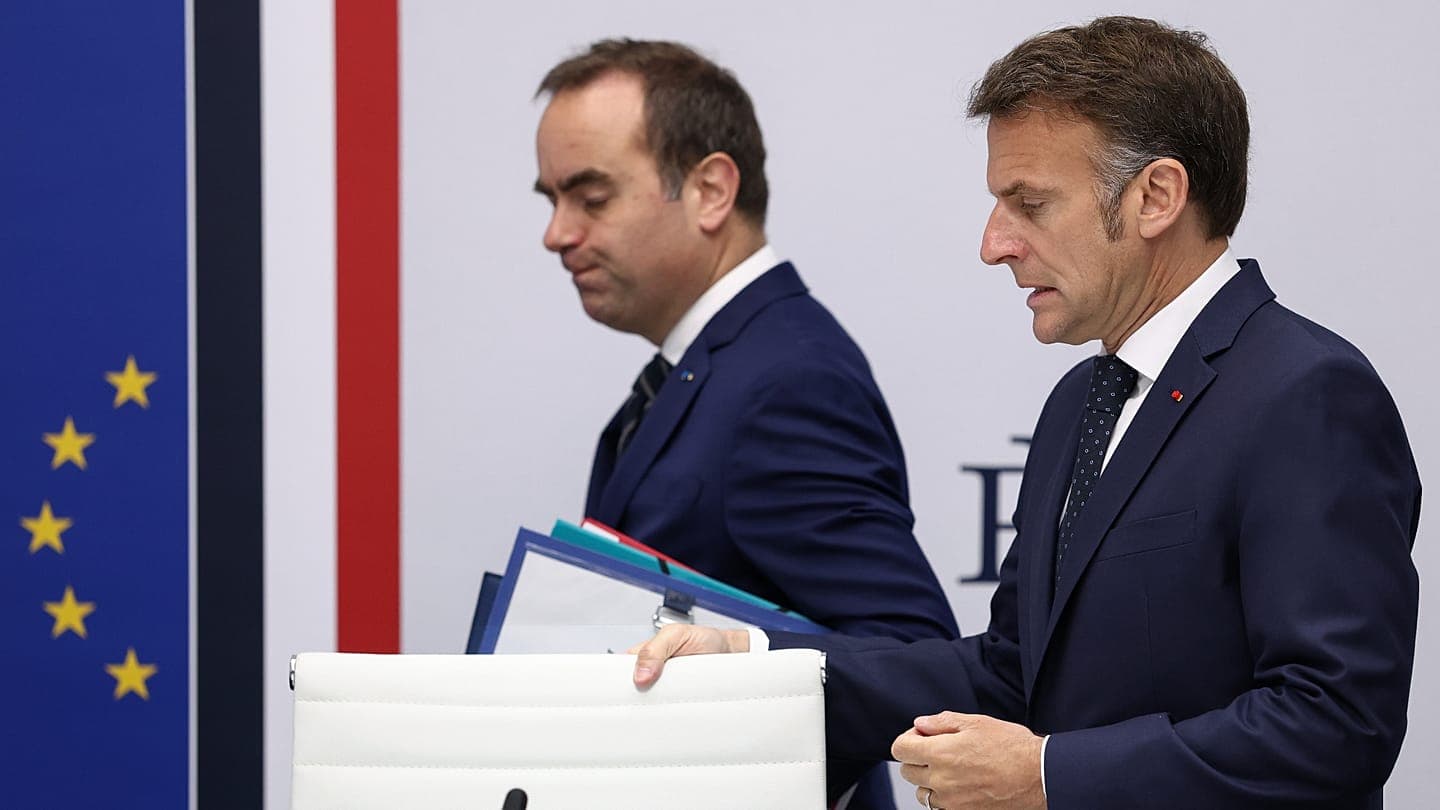
President Emmanuel Macron, after a meeting with key ministers and intelligence leadership, stated that a curfew and other security measures would be introduced, including a ban on protests by 'groups without legitimacy'. 'The priority is a return to calm,' he said, adding that on Friday he would hold a defense council meeting to determine the 'next steps' regarding the nationwide demonstrations scheduled for Saturday and beyond. According to him, the worst violence 'was organized by far-left groups seeking to overthrow the republic,' which, in his view, committed 'sedition'. At the same time, Macron said he would not introduce a state of emergency.
Chronicle of the riots
Clashes, mass looting and vandalism against public buildings erupted on October 17 on the sidelines of mass demonstrations attended by more than half a million people protesting against the rising cost of living. The government admitted that the police had lost control of the situation. Justice Minister Gérald Darmanin said on Thursday that of the 2,700 people detained during and after the riots, 217 have been remanded in custody and about 1,000 more are being prosecuted. On Thursday, a 66-year-old man was arrested in the case of the arson of the 19th-century Limoges town hall last weekend; earlier, on Tuesday, a man of about 30 was detained in the same case.
Student protest and opposition reaction
A student action in Paris did take place on Thursday — hundreds of people took part after a court urgently overturned the police ban. Students have been protesting for four weeks now. 'The authorities are trying to draw a distinction between 'good' and 'bad' protesters. We are seeing a government that does not want any demonstrations at all. This contradicts the right to protest,' said Kopelia Moro, leader of the student union. Marine Le Pen, leader of the National Rally, who is leading the polls ahead of the presidential elections in April-May, accused Macron and his centrist government of softness and lack of authority. Left-wing leader Jean-Luc Mélenchon, whom the authorities criticized for not condemning the violence harshly enough, blamed the riots on the authorities' 'relentless brutal repression'.
Consequences for the city and next steps
The capital's largest art fair, Art Basel Paris, announced an early closure this weekend — two days ahead of schedule — due to the protests. The Interior Ministry said that '20% more' police officers would be deployed on Saturday than last weekend. Prime Minister Sébastien Lecornu held a meeting with the leadership of the main parties on Thursday: most sent their leaders, while Le Pen's National Rally was represented by a lower-ranking official. The prime minister will then meet with mayors, and on Monday with student groups, trade unions and the employers' federation.