The key facts
- Interior Minister Delegate Jean-Didier Berger: 'maximum level of vigilance,' forces 20% higher than on October 17
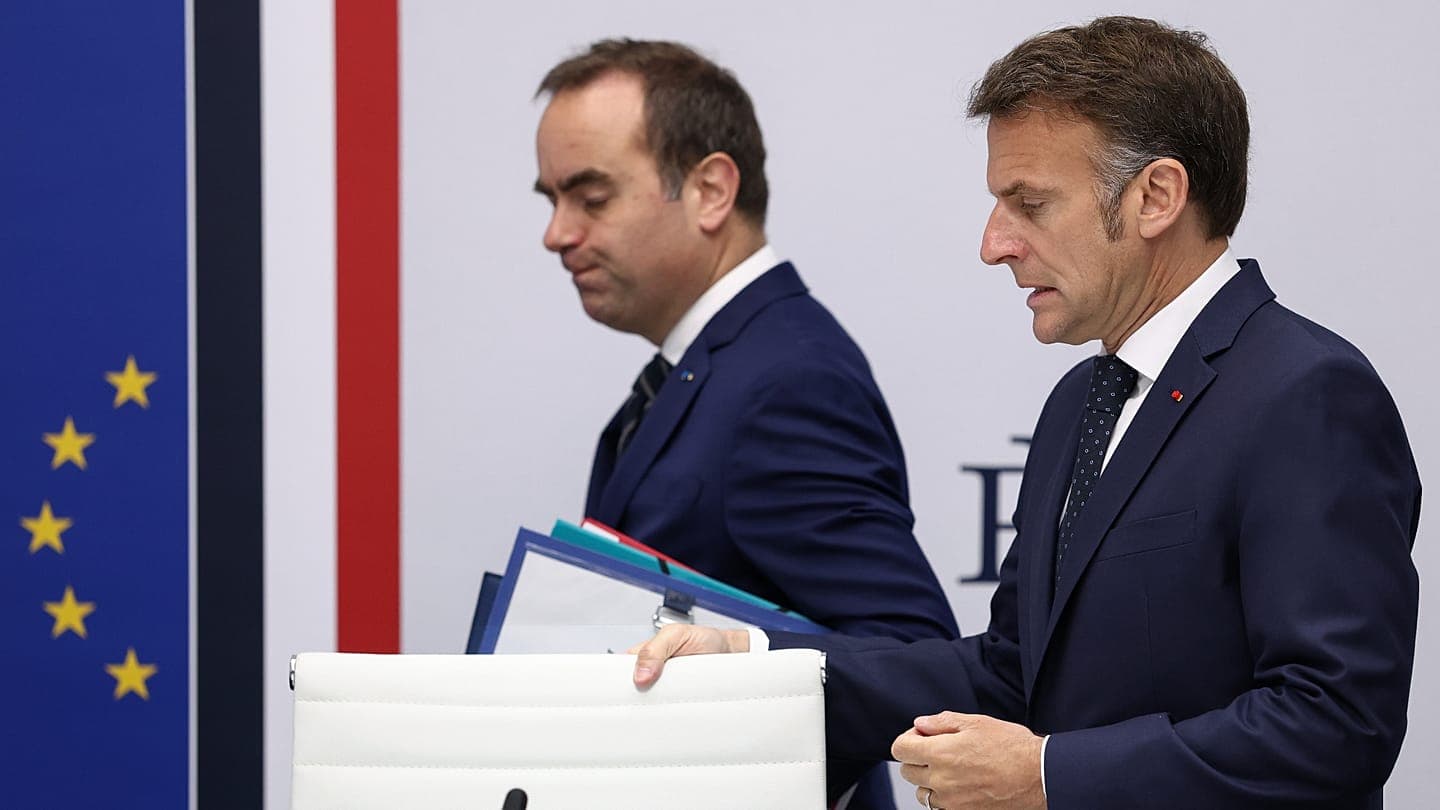
- Macron: demonstrations without unions will be banned 'where possible'; bans in Lyon and Toulon
- Unions announced a nationwide day of strike and protest for November 5
Maximum vigilance ahead of October 24
Interior Minister Delegate of France Jean-Didier Berger told the BFMTV television channel on Thursday that the authorities are at a 'maximum level of vigilance' ahead of nationwide demonstrations scheduled for October 24. According to him, the government 'absolutely rules nothing out in the coming days and weeks' if it deems it necessary to ban gatherings or cultural and sporting events. The number of security forces on Saturday will be 20% higher than on October 17: leave has been canceled, and staff who were on vacation have been recalled. Sentinelle forces will be deployed, as well as the special units GIGN and RAID.
Bans on unauthorized protests and prefecture decisions
President Emmanuel Macron announced at a security council meeting that demonstrations not organized by unions will be banned in the coming days and, in particular, on October 24 'where possible.' Union applications to hold protests across the country will be reviewed by prefects. The Var prefecture announced a temporary ban on demonstrations in the center of Toulon on Saturday, as well as a curfew for unaccompanied minors from Saturday evening until Sunday morning. According to BFMTV, the Rhône prefecture banned by decree 'all demonstrations' in Lyon on October 24.
Recommendations to retailers and protest context
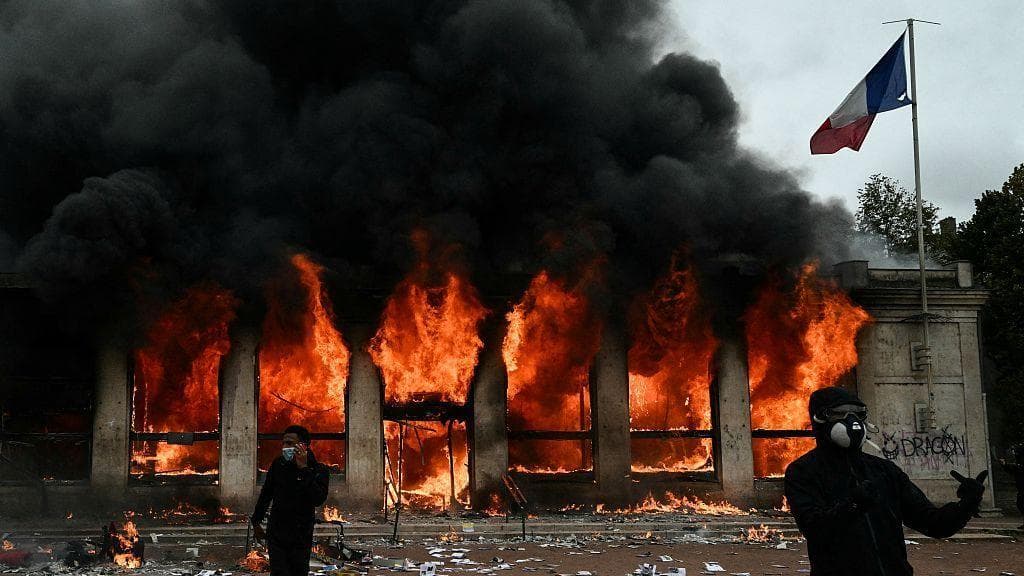
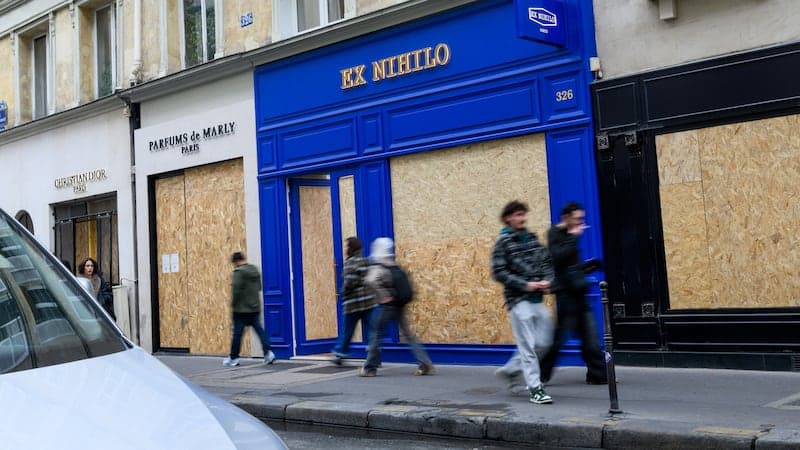
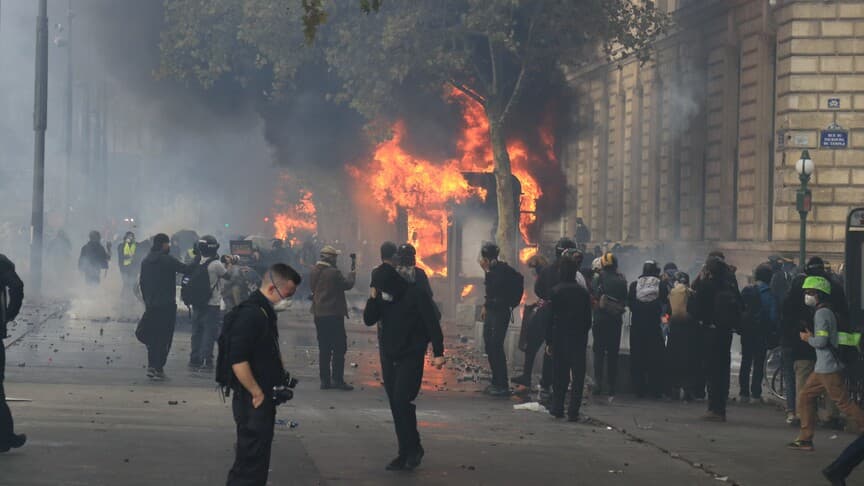
The Interior Ministry issued recommendations to retailers: reinforce shop windows, check video surveillance systems, remove items that could be used to cause damage, and adjust cash-handling procedures. The Paris police prefecture called on shop owners to strengthen security, including with private security guards and, where appropriate, canine units. On October 17, protests over the cost of living and fuel prices took place across the country with the participation of 'yellow vests' and students; authorities reported damage to shops and public buildings and imposed local curfews in a number of cities. In addition to the October 24 protests, unions announced a nationwide day of strike and protest for November 5.