The key facts
- 211 people from three communities in the Asháninka region (Peru) received 1,032 Peruvian soles each — about £2 ($3) per day
- About 90% of participants adopted environmental protection practices, including restoring water sources and reducing forest burning
- The share of households unable to afford adequate nutrition fell from 73% to 26%; the share leaving for work — from 43% to 18%
Cool Earth's experiment in Peru
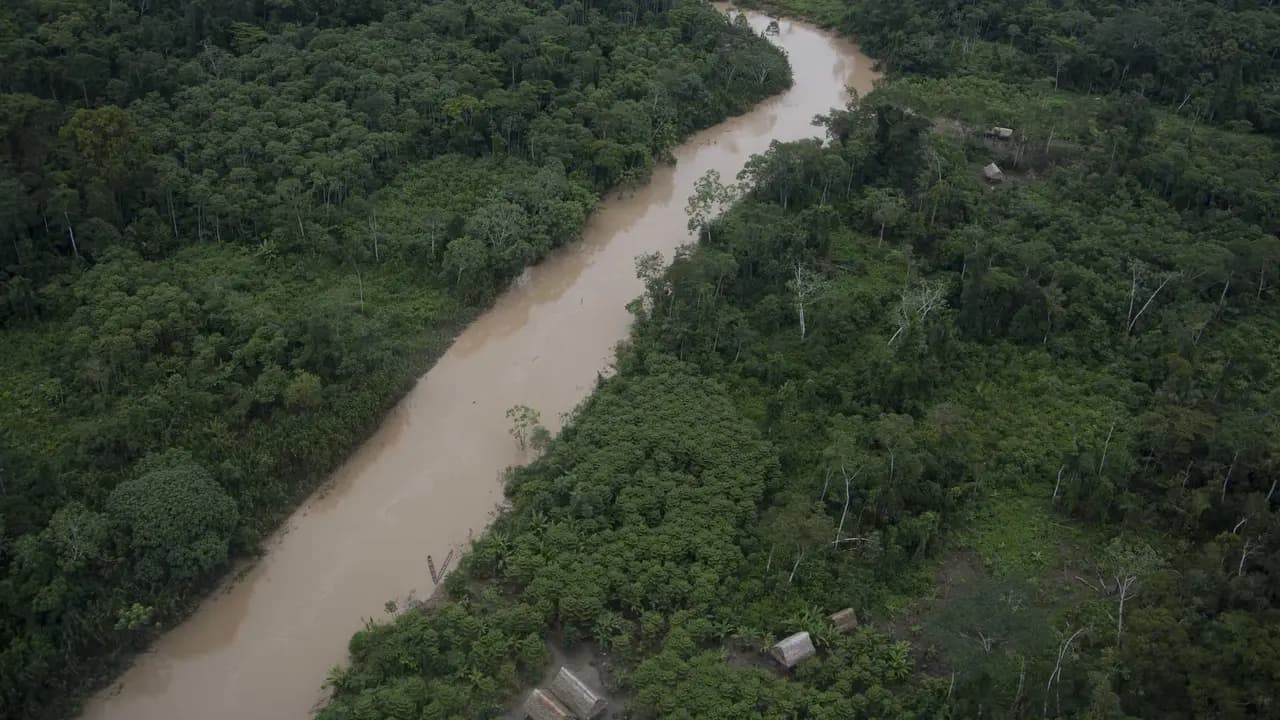
Paying local residents in the Peruvian Amazon £2 (almost $3) a day helps protect tropical forests. The Guardian reports this, citing the results of a two-year experiment conducted by the British charity Cool Earth. Under the experiment, 211 people from three communities in the Asháninka region received 1,032 Peruvian soles each — equivalent to roughly £2 per day. Participants could spend the money at their own discretion.
Environmental results
According to the study, about 90% of participants adopted environmental protection practices, including restoring important water sources and reducing instances of forest burning.
Reduced poverty and migration
During the experiment, food insecurity declined: the share of households unable to afford adequate nutrition fell from 73% to 26%. Residents of forest regions who struggle to buy food are sometimes forced to cut down trees for sustenance or engage in illegal activities that harm nature. In addition, the share of participants forced to leave home to earn money decreased from 43% to 18%. In the researchers' view, this allowed people to remain in their regions and protect the forests.
Researchers' view and context
“The results show that the more security and independence communities have, the better they are able to protect the ecosystems they depend on,” said report co-author Dr. Nick Langridge. Protection of the Amazon and other natural areas by local populations plays an increasingly important role in carbon sequestration, preserving biodiversity, and maintaining the planet's vital ecological functions. However, protecting these territories is becoming increasingly difficult due to threats from miners, loggers, farmers, and land grabbers. Moreover, many young people from economically vulnerable communities leave for more prosperous cities.