The key facts
- The DNA-SaM system splits files into fragments with addresses and includes error-correction mechanisms
- Hemingway's story (3288 bytes, 41 DNA fragments) survived in E. coli for 100 generations
- Practical application is not yet possible: DNA synthesis and reading are expensive, and the evaluation of large data arrays was computational
Data survived to the hundredth generation of bacteria
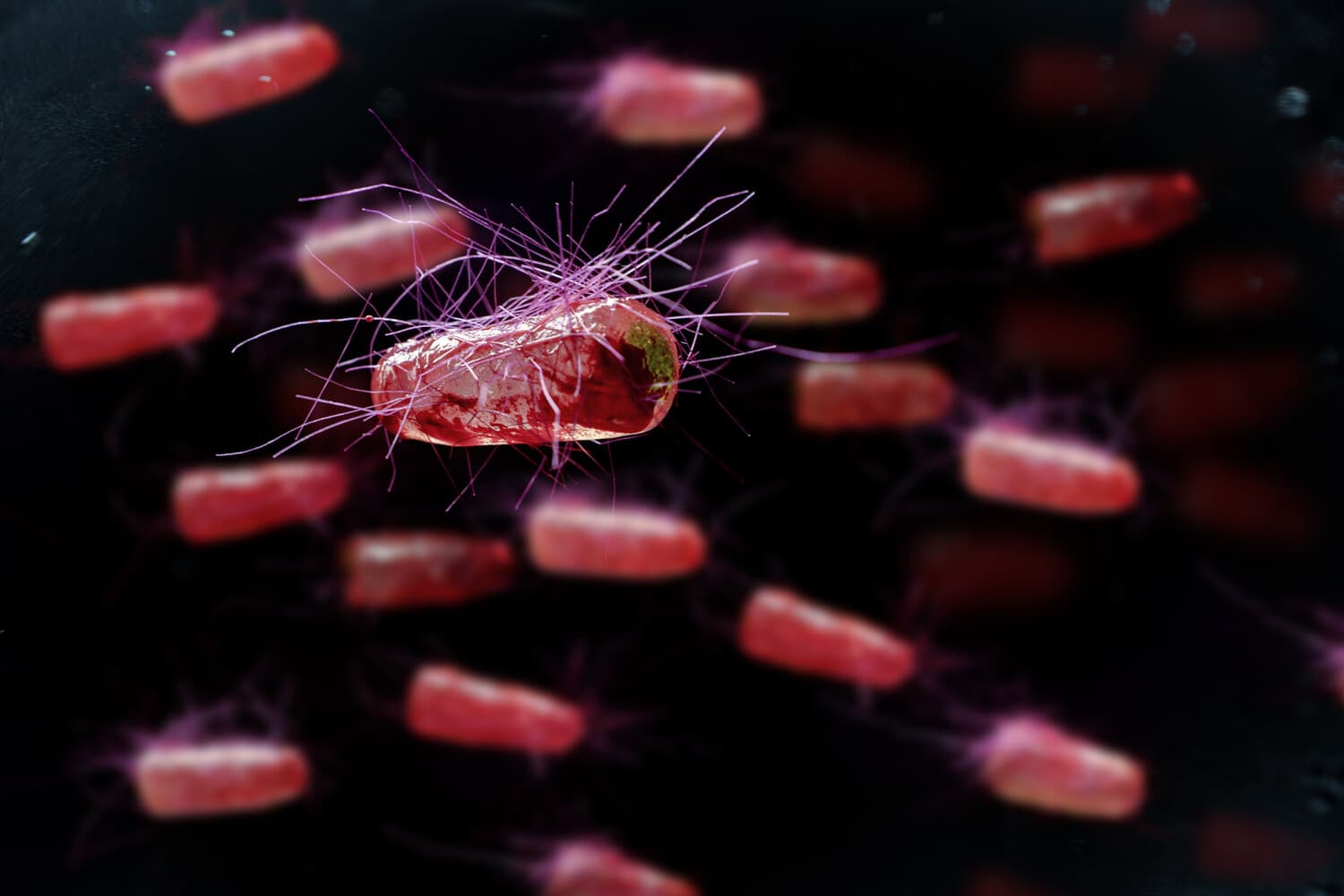
Chinese researchers have developed the DNA-SaM encoding system, which allows digital files to be written into DNA and recovered with error correction. In an experiment, scientists stored a story by Ernest Hemingway in the genetic material of E. coli and tested whether it could be read at the hundredth generation of bacteria. The results were published in the journal Nature Communications.
How DNA-SaM works
DNA is considered a promising information carrier: data can be stored in the sequence of four molecular components — A, T, G, and C — which potentially makes it possible to create compact archives for long-term storage. The problem is that errors arise during the synthesis, copying, and reading of molecules, which can lead to information loss. The DNA-SaM system is designed to solve this task: it splits files into small fragments, assigns them addresses for subsequent assembly, and pre-selects sequences that are easier to synthesize and less likely to disrupt cell function. The algorithm also includes error-correction mechanisms.
Experiment with Hemingway's story
For the experiment, the scientists chose Hemingway's 'Very Short Story'. The digital file, 3288 bytes in size, was converted into 41 DNA fragments and inserted into plasmids — small molecules capable of replicating inside bacteria independently of the main chromosome. The plasmids were introduced into E. coli, and data integrity was tracked over 100 generations, with sequences analyzed at several checkpoints from the start of the experiment to the hundredth generation. The read segments matched the original data.
Testing outside living cells and limitations of the technology
The system was also tested on synthetic DNA molecules outside living cells. With a sufficient number of copies, the built-in correction mechanisms allowed the original files to be fully recovered; if there were too few copies, some information could be lost. The scientists note that practical application of the technology is not yet possible: DNA synthesis and sequencing remain expensive, and the system's capability for storing huge arrays of information was assessed computationally.