The key facts
- The Global Climate and Health Alliance analysed the NDCs of 132 countries: Colombia — 1st place (29/32), Nigeria — 25, Cambodia — 24, EU — 12th
- 19 of the top 20 countries are low- and middle-income; the EU is the only major economy with a target to phase out hydrofluorocarbons by 2050
- Health ministries participated in preparing climate plans in only 15% of countries; COP31 in November will be a test of ambition
Alliance criticises gap between rhetoric and action
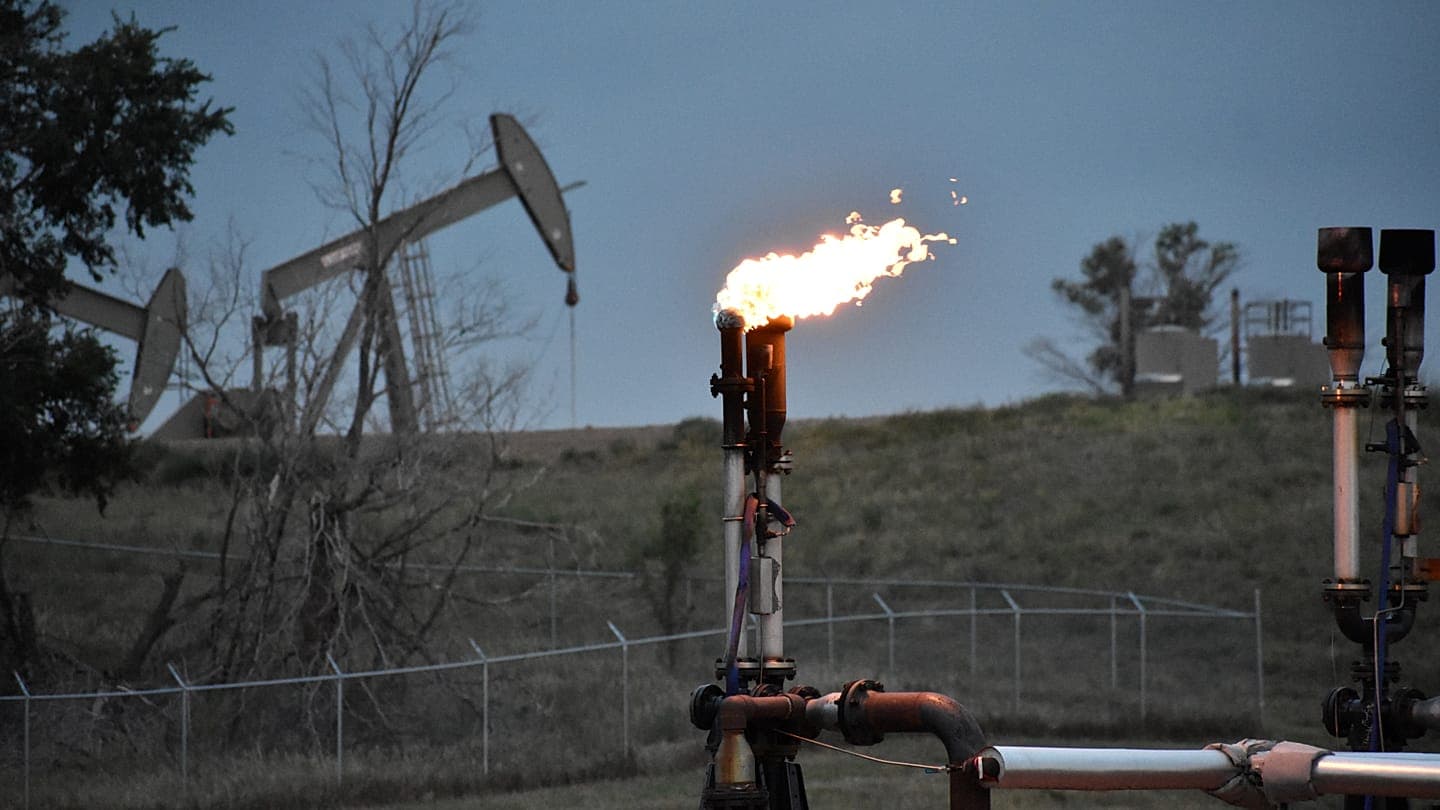
The Global Climate and Health Alliance — a coalition of non-governmental organisations — has published an analysis of the climate commitments (nationally determined contributions, NDCs) of 132 countries. According to its assessment, the EU and other major emitters acknowledge the impact of climate change on health only in words, without backing it up with sufficiently ambitious emissions reductions. Jess Beagley of the alliance called this approach 'hypocrisy': in her words, governments cannot claim health as a priority while ignoring dependence on fossil fuels, which drives both warming and pollution of air, water and soil — from respiratory diseases to cancer and neurological disorders.
Ranking: low- and middle-income countries lead
The NDC Scorecard index assesses the integration of health into climate plans across eight areas: health impacts, air pollution, health sector measures, co-benefits, just transition, governance, financing and implementation. Colombia took first place with 29 points out of 32, followed by Nigeria (25) and Cambodia (24). The EU ranked 12th; 19 of the 20 highest-scoring countries are low- and middle-income economies. The EU, Indonesia, South Africa, Turkey, Canada and the UAE received higher scores in the 'health' block, but, according to the alliance, this is not accompanied by emissions cuts on the scale needed to protect populations.
The EU is the only one with an air pollution target
Among major emitters with average health scores, the EU was the only one whose climate plan contains a specific target for reducing air pollution — a phase-out of hydrofluorocarbons by 2050. At the same time, no country in this group has set targets for black carbon, nitrous oxide or ozone — pollutants that contribute to warming and harm health. Beagley noted that health systems are 'on the front line', paying the price for decisions in energy, transport and industry.
Health impacts and pressure on wealthy countries
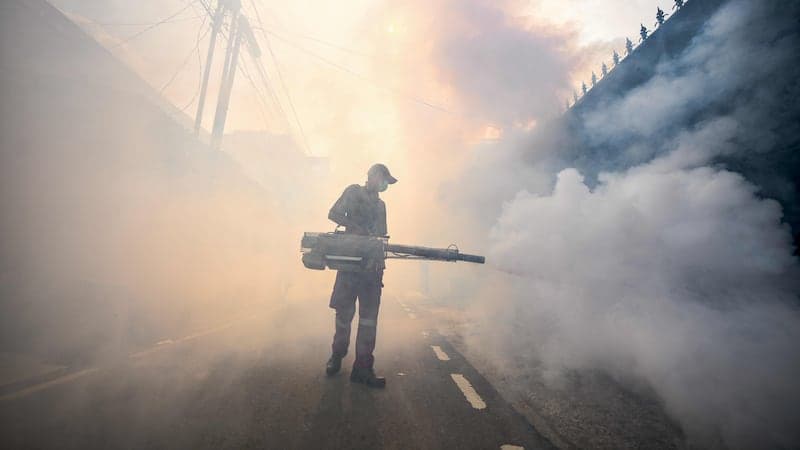
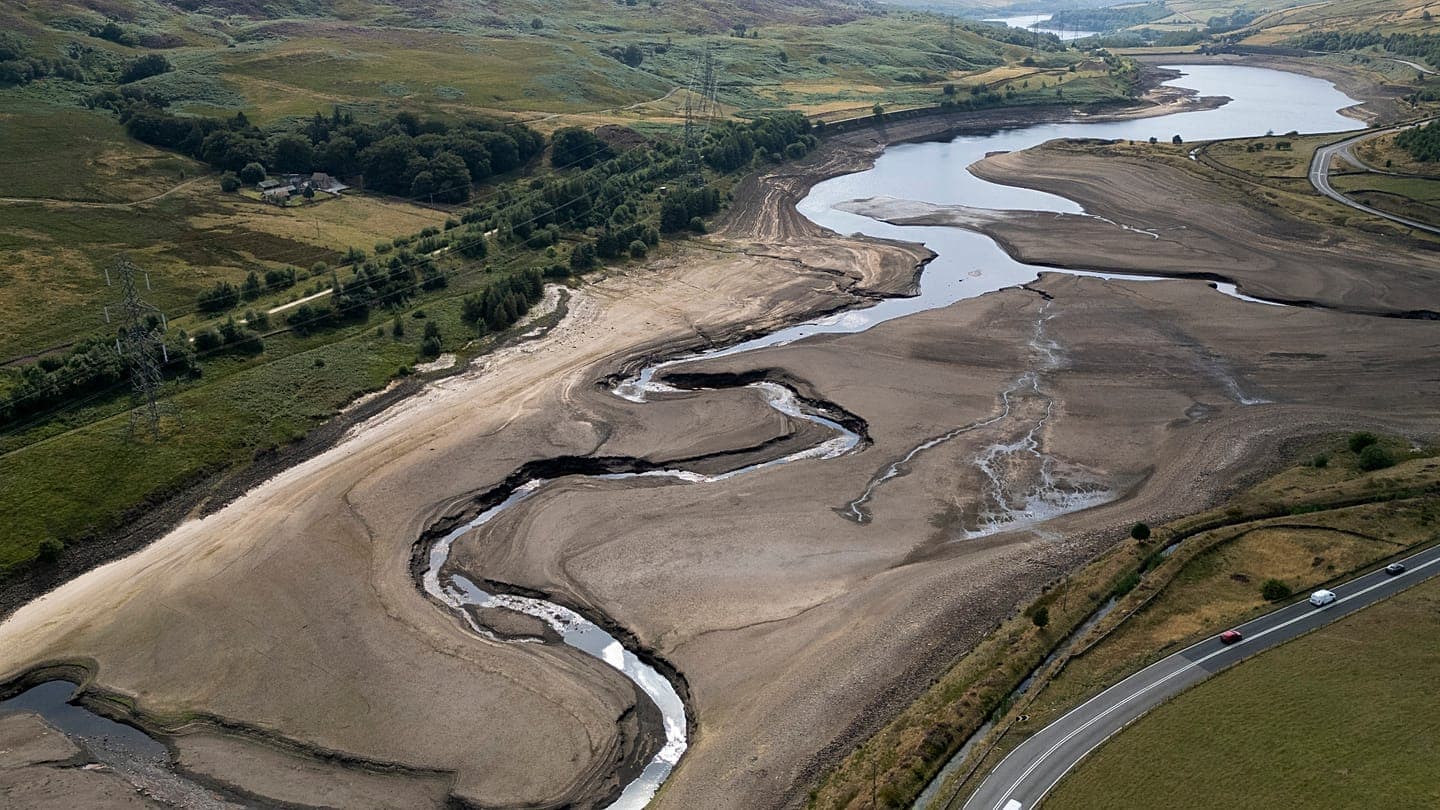
The report cites data on more than 1,400 people killed and over 6,600 missing in Nepal, eight million children at risk of hunger in East and Southern Africa, and tens of thousands of deaths linked to heatwaves in Europe. Beagley stated that if this year's events do not change the approach to climate and health, it would be 'wilful blindness' and an abandonment of the duty to protect populations. She insists that wealthy countries with high historical emissions must cut pollution fastest of all and finance climate measures in developing economies; for the EU this means reducing its own emissions and supporting Global South countries in fulfilling their Paris Agreement commitments.
Governance gaps and a look ahead to COP31
The alliance pointed to gaps in policymaking: health ministries were closely involved in preparing national climate plans in only 15% of the countries covered by the analysis. Without their involvement, the publication notes, governments risk overlooking the health consequences of decisions in energy, transport and industry. COP31, which will take place in November, will be a test of whether the growing health impacts of extreme weather will lead to more ambitious measures.