The key facts
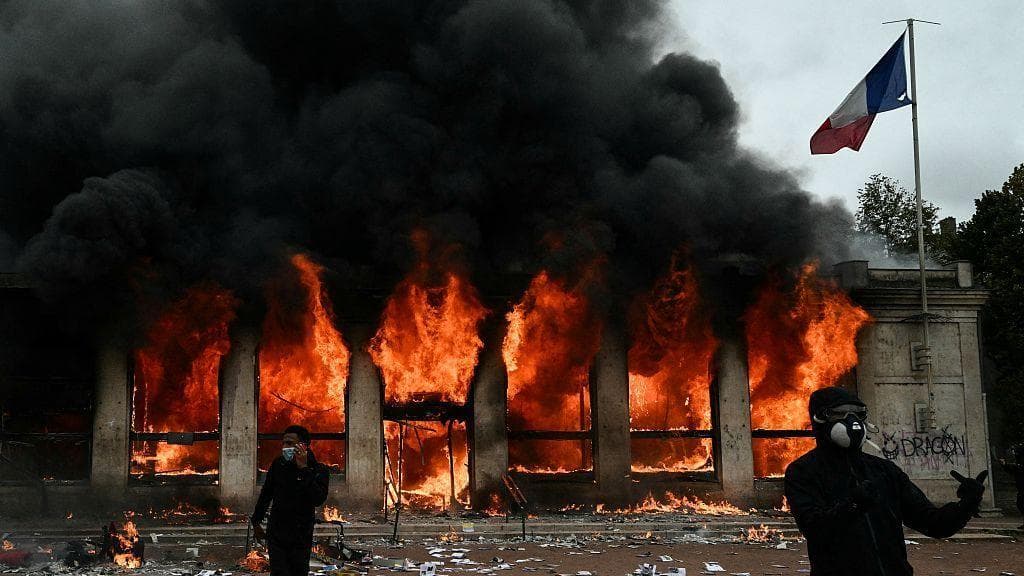
- The protests began with high school students' actions in November and took on a nationwide scale; in Limoges the town hall building was set on fire, and more than 2,400 people were detained
- The government must save at least 54 billion euros to balance the budget, which intensifies discontent
- According to polls, 35% of the French are ready to vote for Marine Le Pen; the elections are scheduled for April 2027
Scale of the unrest
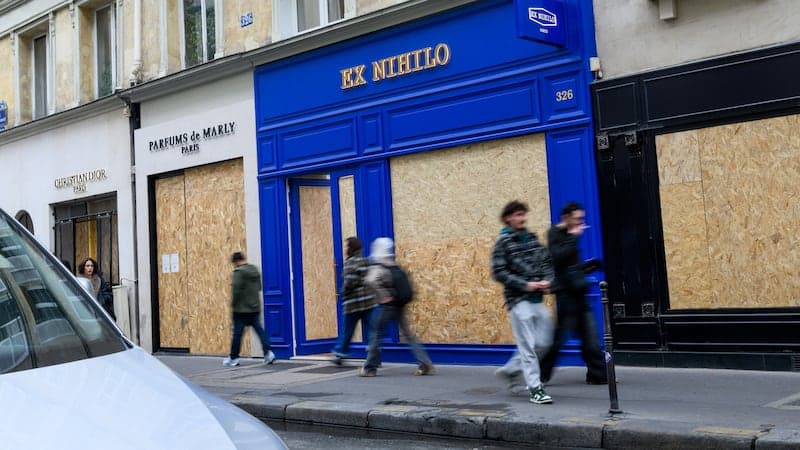
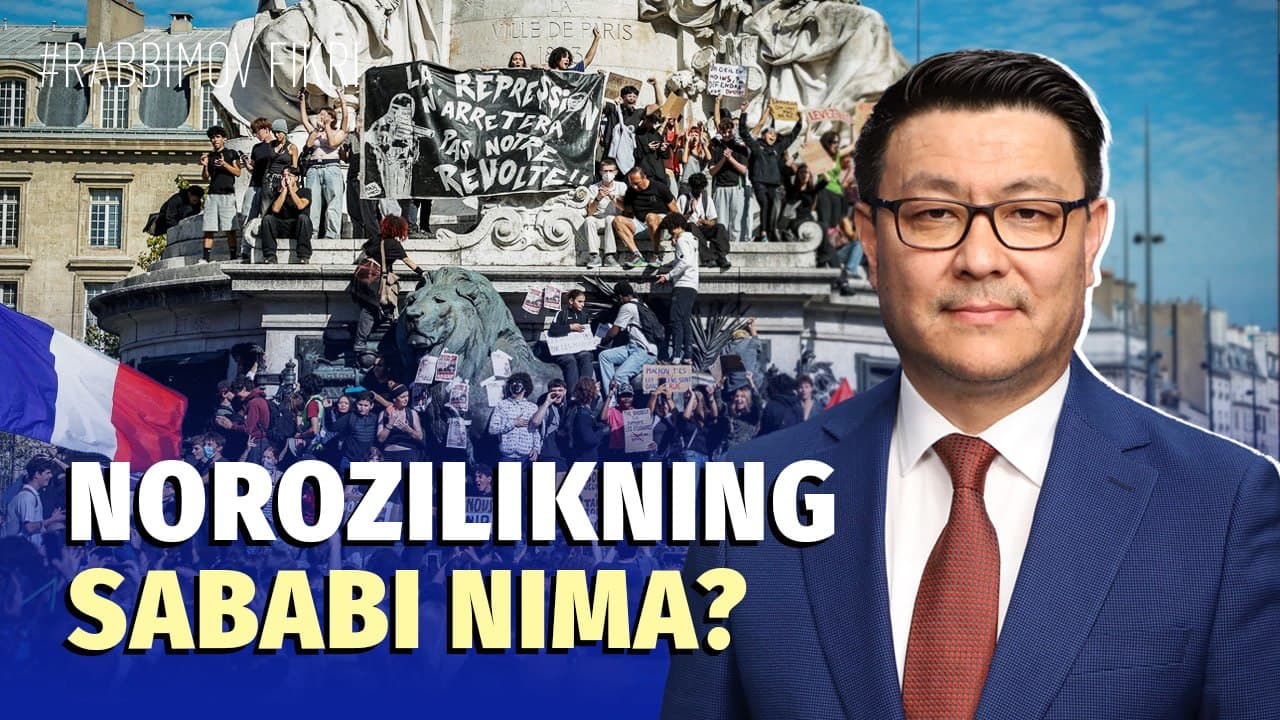
Protests in France began in November with small actions by high school students, but over the past weeks they have grown to a nationwide scale. According to Kun.uz, the situation has spiraled out of control in Paris, Marseille and Lyon: in the city of Limoges the town hall building was set on fire, thousands of shops are being looted, cars are being set on fire in the streets, and more than 2,400 protest participants have been detained.
Nature of the actions and the 'black blocs'
Unlike previous protests, this time the actions are directed, among other things, against state institutions and their symbols, which makes it possible to call them protests with radical and destructive elements. Although the protests were started by high school students, the initiative is now in other hands: their standard-bearers have become the 'black blocs' — young people covering their faces with black masks; among them are many people from various communities, including the unemployed and local French. The 'black bloc' is not a group or a movement but a method: inflicting maximum damage and destruction as a way of expressing social and political discontent.
Causes of the crisis
Two major factors underlie the protests. The first is the accumulated social, economic and political grievances of recent years: the cost of living is rising, wage growth is noticeably lagging behind price growth, spending on housing rent, education and living is high, and the state is cutting social programs. To balance the budget, the government needs to save at least 54 billion euros, which, according to the outlet, further aggravates discontent related to pensions and social security.
Political consequences and the 2027 elections
In April 2027, presidential elections are to be held in France: Emmanuel Macron's term expires, and, according to Kun.uz, he does not intend to resign early amid the protests. The protests will seriously affect the upcoming elections: far-right and far-left forces now have more influence than ever. Far-right leader Marine Le Pen stated: 'France needs a tough president. If I become president, there will be no such protests. I will strengthen the police, increase it, order will be reinforced.' The leader of the far-left party 'La France Insoumise' (Unbowed France), Jean-Luc Mélenchon, supports the protesters, accusing the police of excessive aggression, and calls not to stop the protests while simultaneously curbing violence and the looting of shops.
The electoral landscape ahead of the vote
According to polls, 35% of the French intend to vote for Marine Le Pen, and this figure may rise ahead of the elections. It is unlikely that any candidate will win more than 50% in the first round; if Le Pen makes it to the second round, her chances of becoming president will increase. According to the outlet, the far-right coming to power in France will seriously affect European Union policy.