The key facts
- Macron: unsanctioned protests on Saturday will be banned, unions will be offered alternative routes
- At least 2,500 arrests since the riots began; police reinforced by 20% compared with last weekend
- Lyon, Toulon, the centre of Rouen and Grenoble have fully banned demonstrations; curfews are in force in a number of cities
Bans and police reinforcement
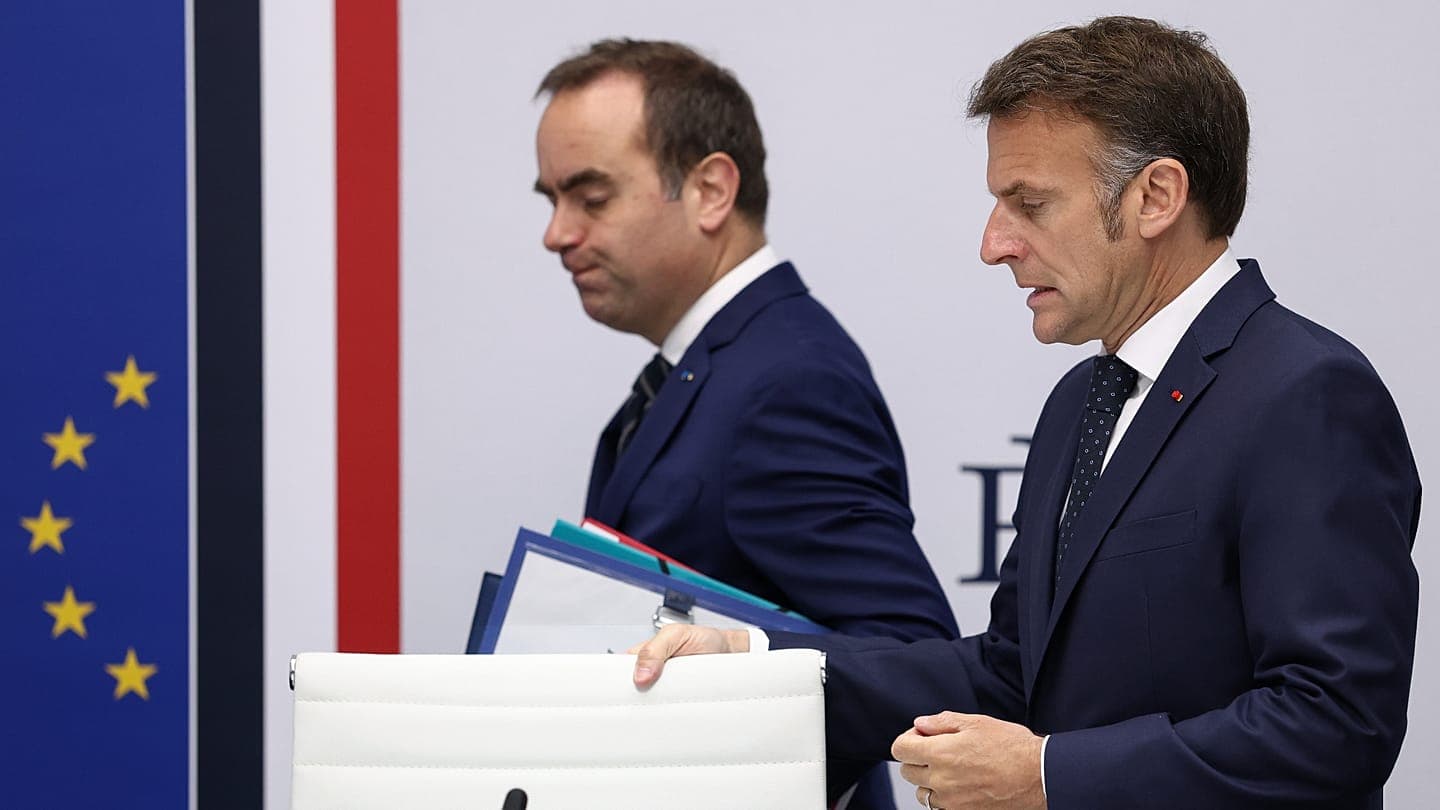
French President Emmanuel Macron announced that only sanctioned union demonstrations will be allowed in the country's cities on Saturday. 'The general recommendation is no demonstrations. Those who want to continue protesting and are union organisations will be offered alternative routes by the prefects. If they are not unions, they will be banned where possible,' he said. Macron also accused 'political and even insurgent actions by far-left groups aimed at overthrowing the Republic.' Interior Minister Jean-Didier Berge (according to the BBC) said the number of law enforcement officers would be 20% higher than last weekend, following the government's promise of a 'massive' police deployment. Prime Minister Sébastien Lecornu promised a mass deployment of police officers, however some officers told French media they had not been trained to handle large crowds.
City restrictions
Lyon, France's third-largest city, has imposed a full ban on demonstrations on Saturday: the prefecture of the Rhône department cited the 'mobilisation' and the events of 17 October. Similar bans have been announced in Toulon, the centre of Rouen and Grenoble. Partial curfews restricting the movement of young people and gatherings have been in force this week in Marseille, Bordeaux, Nice, Lyon, Lille and other cities. The authorities of Paris have banned several proposed marches of the 'yellow vests' movement.
The riots of 17 October
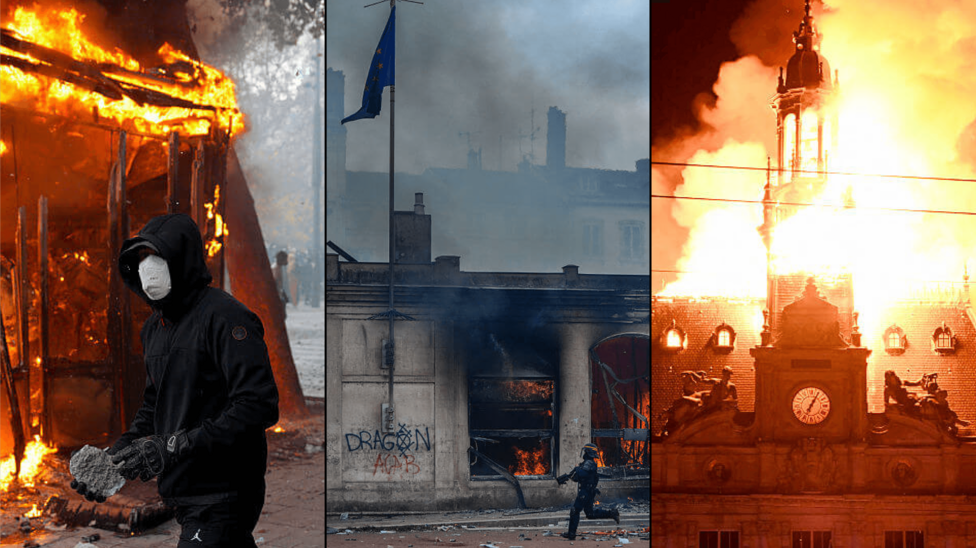
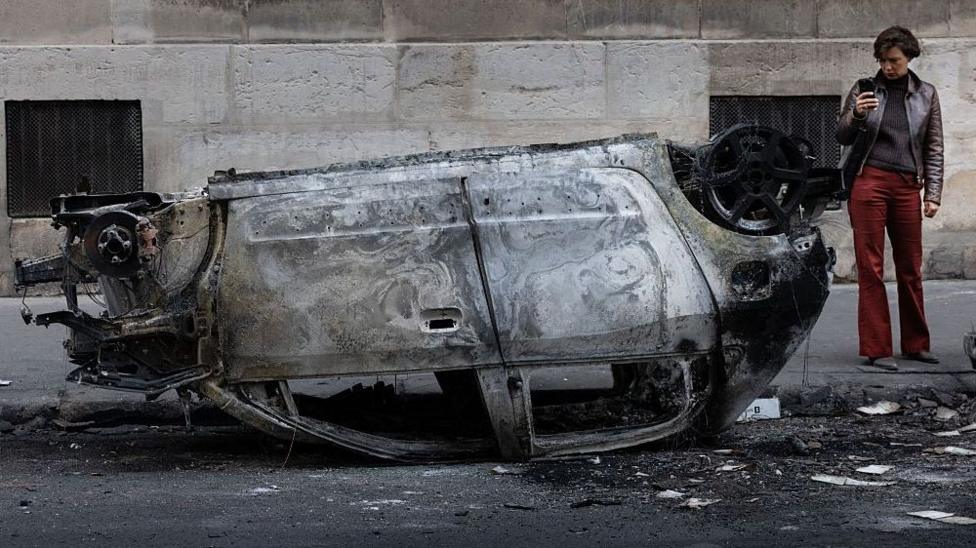
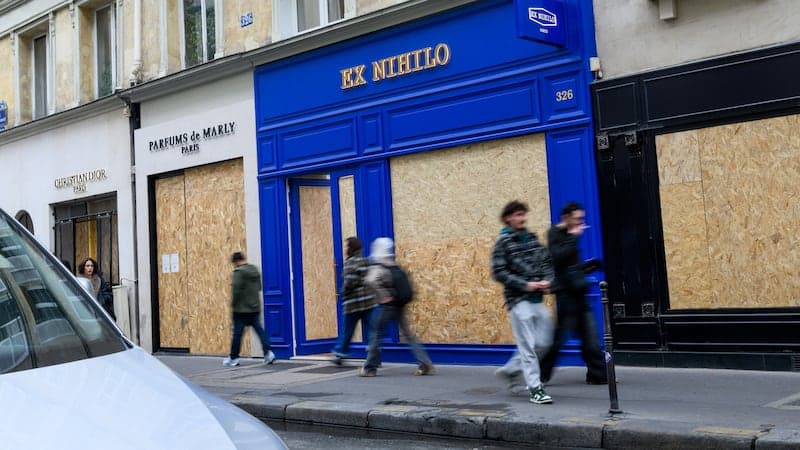
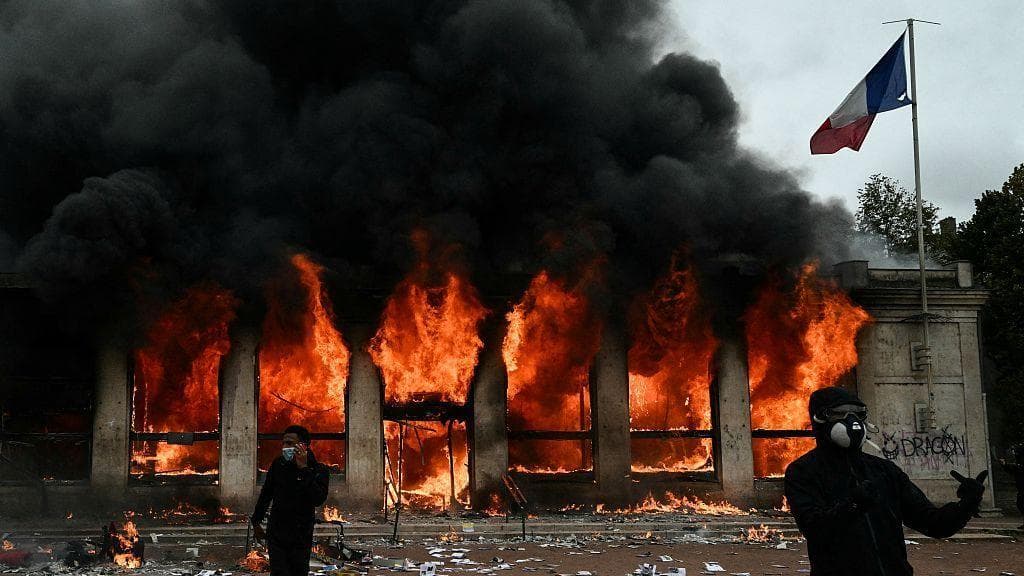
About 550,000 people took part on 17 October in demonstrations against rising fuel prices and the cost of living, continuing weeks of student protests. The marches in Paris and other major cities, supported by unions, 'yellow vests' and student groups, were mostly peaceful but were accompanied by violence, looting and destruction. In Lyon, demonstrators set fire to a tourist office housed in a 19th-century building; mayor Grégoire Doucet called it a 'tragedy.' In Limoges, a clock tower and part of the roof of the city hall caught fire and then collapsed. On Thursday a second suspect was arrested, a 66-year-old man; earlier a man in his early 30s was detained on suspicion of attempting to murder police officers who were in the city hall at the time of the fire. In Paris, vandals destroyed the Place de la République.
Minister's resignation and political context
After the riots, Interior Minister Laurent Nuñez submitted his resignation, which Macron rejected. The Élysée Palace instead instructed him to focus on street security and holding the rioters accountable. Nuñez said his services had predicted 200,000 demonstrators — significantly fewer than the estimated 550,000. At least 2,500 people have been arrested since the riots began. Macron met with intelligence services and ministers on Thursday to prepare for the next nationwide day of protest. The riots are taking place against the backdrop of the final months of Macron's presidency: elections are scheduled for 18 April and 1 May of next year.
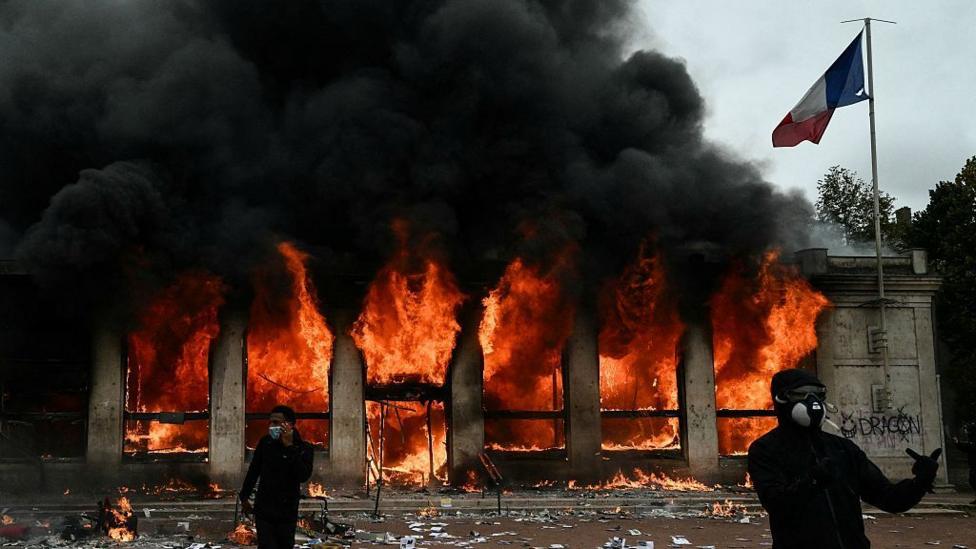 Image source, Getty Images
The tourism office in Lyon was set on fire during protests last weekend, the city has banned all demonstrations this Saturday
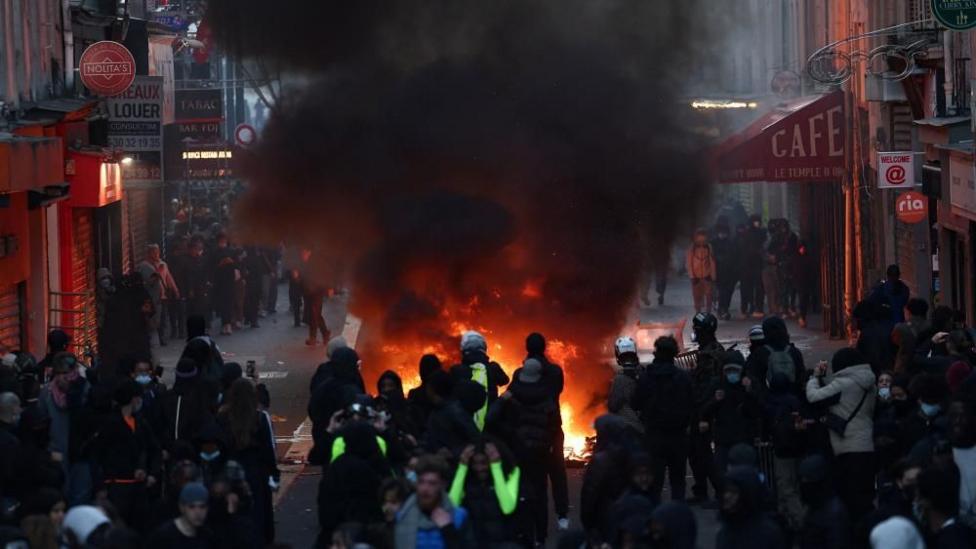 Image source, Reuters
Unrest spread across several French cities last weekend, including the capital Paris