The key facts
- Around 70,000 police officers will be deployed on Saturday, Interior Minister Laurent Nuñez said
- Courts have sent 217 people to jail following last Saturday's riots
- A Harris Interactive poll for M6/RTL puts Le Pen at 33–35% in the first round and predicts her victory in the second round with about 70%
Massive security deployment
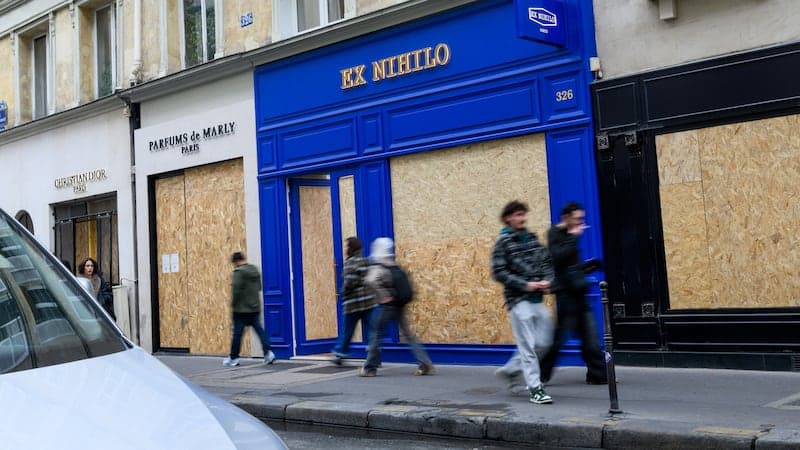
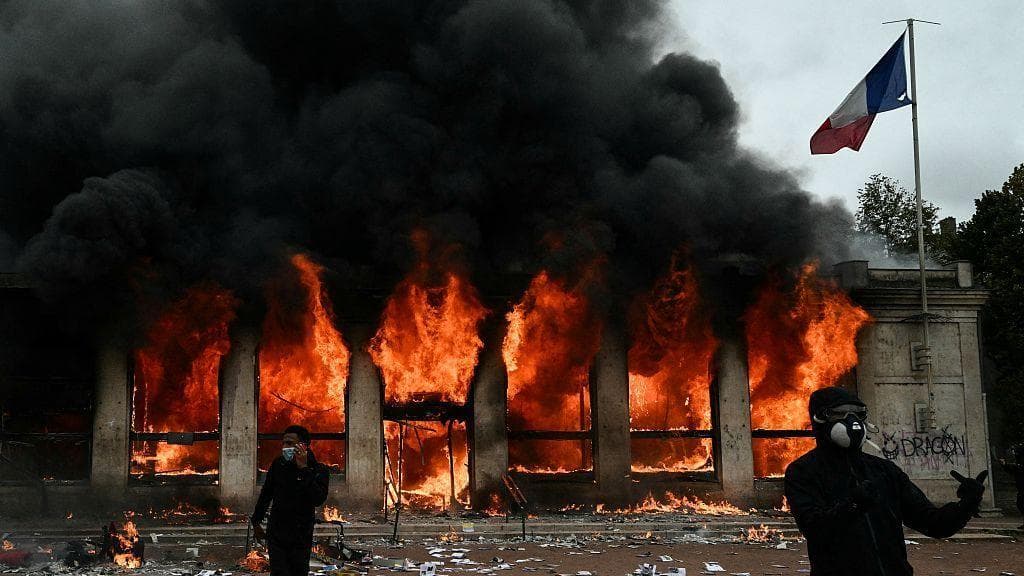
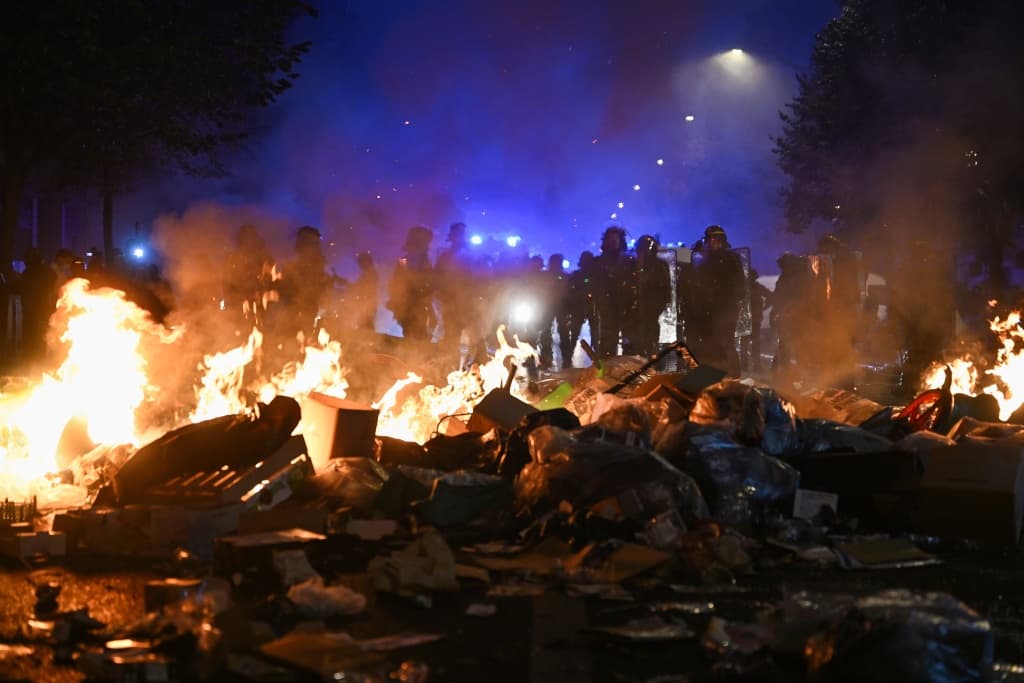
France will deploy around 70,000 police officers across the country ahead of new protests on Saturday, the government announced on Friday. Interior Minister Laurent Nuñez told a press conference in Paris that calls to violence and looting were spreading on social media. The number of security personnel involved will be roughly 20% higher than a week ago — following criticism of police preparedness and intelligence gathering last weekend, when some of the most serious urban riots in recent years erupted amid demonstrations.
Macron's response and meetings with school students
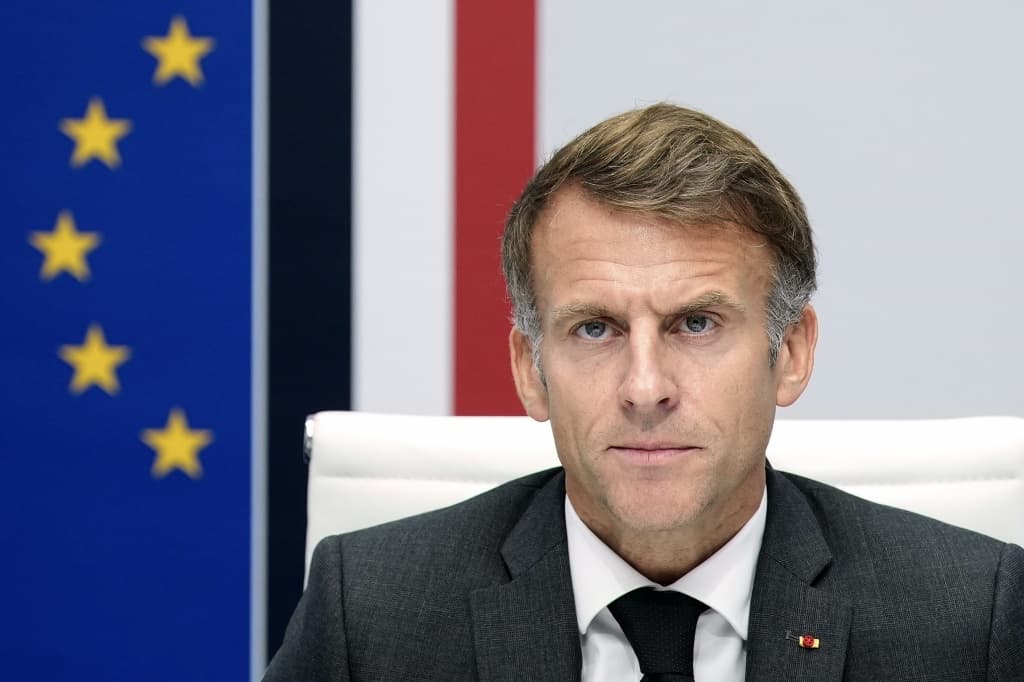
President Emmanuel Macron chaired a meeting of his defence council with key ministers and officials and was due to meet with security officials. According to his aides, he is postponing a visit to Nigeria and Senegal planned for the end of the month because of the crisis. For the first time, Macron received representatives of high school students, whose protests against conditions in schools sparked the movement that grew into a nationwide expression of discontent with the government over the rising cost of living. 'We will present him with our demands — they remain the same: the state of school infrastructure and the reform of the Parcoursup (university admissions) system,' Nathanael Combari, president of the Renouveau Lyceen organisation, told AFP before the meeting. The government seeks to separate the protesters' legitimate demands from the looting, arson and vandalism that accompanied last Saturday's demonstrations. On Thursday, Macron called for 'maximum severity' against 'acts of delinquency,' accusing 'far-left' groups of attempting to 'topple the republic.'
Judicial measures
Courts have already sentenced 217 people to prison terms over last Saturday's events, half of them first-time offenders, Justice Minister Gérald Darmanin said, calling the response unprecedentedly tough.
City restrictions and the National Rally congress
In Orléans, Marine Le Pen's National Rally party will hold its congress over the weekend, drawing thousands of her supporters; local authorities fear clashes with arriving opponents. According to the prefecture, 20,000 to 30,000 people are expected to protest against the congress, but their gathering will not be allowed into the city centre. Nuñez was due to visit Orléans on Friday to 'review security measures' at the request of the prime minister's office. In Lyon, central districts are also closed to demonstrators over the weekend; in Paris, protesters are permitted only a limited route between the Bastille and Nation squares. In Marseille, protests were initially banned, but on Friday authorities announced that a union demonstration would be allowed 'as an exceptional measure' — the only one permitted in the Bouches-du-Rhône department; the decision to suspend all public transport in the city on Saturday was also reversed. In the capital, leading museums including the Louvre will close on Saturday, and the Art Basel art fair will be scaled down.
Political backdrop and human rights reaction
The protests come at a critical moment — six months before elections that will determine Macron's successor. A new Harris Interactive poll for M6/RTL, conducted after the riots, shows Le Pen with a wide lead at 33–35% in the first round of the presidential election and a strengthening of her position. According to the poll's forecast, she will face 'unbowed left' leader Jean-Luc Mélenchon in the second round, and Le Pen would easily win with about 70% of the vote. The violence, AFP assesses, has damaged France's image ahead of elections that could prove a turning point in its recent history; investors are also worried by the country's public debt. 'In a country where the rule of law prevails, the police are responsible both for ensuring protests take place peacefully and safely and for protecting the population from violent disorder,' said Eva Cossé, senior Europe researcher at the human rights organisation Human Rights Watch, expressing concern over reports of children seriously injured by crowd-control weapons.