The key facts
- 'Service' drivers raised the fare from 200 to 300 thousand liras after the fuel tax was introduced in February; gasoline prices nearly doubled, according to the petrol station owners' syndicate
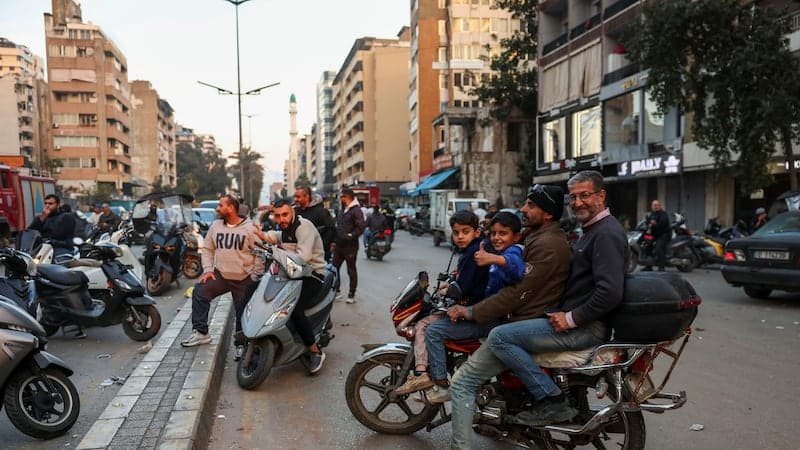
- Moto-taxis are cheaper and faster; orders come through apps and WhatsApp groups, some with more than 350 drivers
- Taxi drivers complain that moto-taxis are taking 'half the business' and point to the lack of licenses and insurance among motorcycle riders
Moto-taxis are displacing traditional taxis
Beirut residents are increasingly abandoning traditional shared taxis known as 'service' in favor of moto-taxis, The National reports. 'Service' drivers raised the fare from 200 to 300 thousand liras after the government introduced a fuel tax in February — just nine days before the war with Iran began. According to the petrol station owners' syndicate, gasoline prices have nearly doubled since then, as the war disrupted fuel supplies from Persian Gulf producers.
Passengers look for cheap options
Zeinab, a resident of the Ras el-Nabaa neighborhood, told the outlet that a moto-taxi ride ordered through an app from her neighborhood to Jisr el-Wati cost her 200 thousand liras — 'cheaper and faster than hailing a taxi on the street and haggling with the driver'. Even car owners are switching to moto-taxis: paramedic Moussa said that filling up his car used to cost $45, and now $90–100 or more, so he orders a motorcycle through a 'dispatcher' in a WhatsApp group.
The crisis is changing social norms
Ten years ago, a woman riding a motorcycle with an unfamiliar man was almost unthinkable, the outlet notes, but the economic crisis has made financial necessity more important than social norms. The crisis, which began in 2019 and is, according to the World Bank's assessment, one of the worst in modern history, has deprived depositors of access to their savings, and the lira has lost more than 98% of its value against the dollar. The minimum wage in the country is only $300 a month.
Taxi drivers are losing customers
More than a dozen 'service' drivers interviewed by The National complained about an outflow of passengers. A driver named Adam takes almost everyone who wants a ride, even those who pay less than the set fare: 'People won't ride if the price is too high. Sometimes after hours of work I barely break even.' Taxi driver Ibrahim, at the Cola intersection, blamed moto-taxis for competing without licenses or insurance: 'If there's an accident, there's no insurance at all.' He keeps his fare at 300 thousand liras, although some colleagues charge 400 thousand or more. Taxi driver Wael admitted: 'They're taking half of our business,' but added that the problem lies with the state, which does not regulate moto-taxis and does not fix the economy.
The informal transportation market is growing
Besides moto-taxis, the market also features 'white plates' — private cars carrying passengers through apps and WhatsApp. A red license plate, which grants the right to operate a taxi, costs about $16 thousand in Lebanon; some drivers rent a licensed taxi for roughly $20 a day. Wael himself rides a motorcycle by day and drives a licensed taxi by night: the motorcycle is more economical and faster in daytime traffic. He belongs to two WhatsApp groups coordinating moto-taxis, each with more than 350 drivers. The outlet notes that motorcyclists often ride without helmets and run red lights, while the state only occasionally conducts crackdowns on unregistered motorcycles. Moto-taxi driver Asad believes government regulation would be the best outcome: 'Moto-taxis aren't going anywhere. This is the future.'