The key facts
- Assassination attempt on Tiger Shroff in the Juhu area of Mumbai: the actor's driver and a blogger filming him were wounded
- 10 suspects detained or arrested; police have not confirmed the Bishnoi gang's involvement
- The incident evoked memories of the mafia's influence on Bollywood in the 1990s and early 2000s
Assassination attempt in Juhu
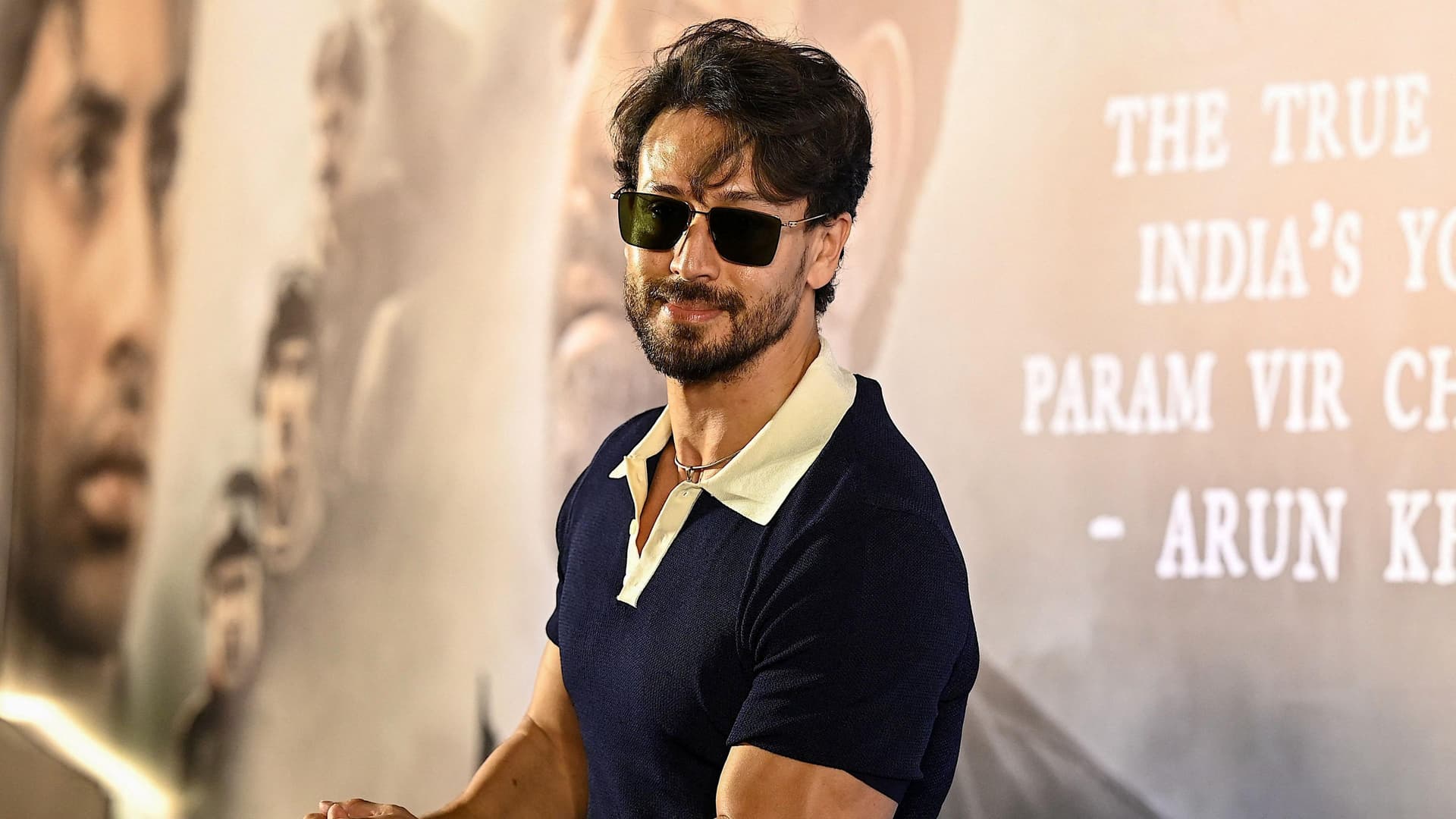
On Sunday evening, 36-year-old Bollywood actor Tiger Shroff, known for his roles in action films, was playing football in Juhu — an upscale Mumbai neighbourhood where film stars live. As he was leaving the ground in his BMW, gunshots rang out. The actor's driver was wounded, as well as a blogger who had come to film him. Four days after the incident, the case still dominates Indian news, generating new theories and competing claims. Police have detained or arrested 10 suspects; investigators are, according to them, tracking weapons supplies across several states and examining payments to the alleged attackers.
Bishnoi gang claims not confirmed
The assassination attempt brought back into the headlines the name of Lawrence Bishnoi — one of India's most notorious gangsters, who has been in prison since 2015. Shortly after the attack, a screenshot of a post circulated online, purportedly from an associate of the Bishnoi gang claiming responsibility. An audio recording also emerged in which a man calling himself Anil Pandit repeated the claim and said Shroff had been chosen because of his alleged ties to actor Salman Khan, whom Bishnoi has threatened for years. Mumbai police have not confirmed these claims and have not established the Bishnoi gang's involvement; investigators are still trying to determine who ordered the attack and why.
A series of threats against Bollywood stars
The attack on Shroff is part of a series of threats and attacks involving prominent figures in the film industry: in 2024, gunfire outside Salman Khan's home, and earlier this year outside director Rohit Shetty's home. In April 2024, shooters fired five shots outside Khan's home, and six months later Baba Siddique, a politician close to the actors, was killed. Mumbai police linked both episodes to the Bishnoi gang but did not establish Bishnoi's personal involvement in Siddique's murder. After the latest incident, police reportedly increased security at the homes of Khan and Shetty, and the All-India film workers' association demanded greater protection, asking: 'Today it's Tiger Shroff. Who's next?'
The mafia of the past: memories of the 1990s
The incident has revived fears of organized crime penetrating the film industry and memories of the 1990s and early 2000s, when Mumbai's criminal underworld financed films, demanded tribute and used violence. In 1997, music magnate Gulshan Kumar was shot dead outside a temple in Mumbai, and three years later director Rakesh Roshan survived an assassination attempt. D. Shivanandhan, who headed Mumbai's crime branch in 1998, investigated the financing of the film 'Chori Chori Chupke Chupke' starring Salman Khan: the producer and his assistant each received six years in prison under Maharashtra's organized crime law for links to criminals, and the man who financed the film received one year for concealing information. The film's negatives were seized, and its release took place under judicial supervision. According to Shivanandhan, some filmmakers themselves sought money from gangsters, which made police work difficult.
'This is not the mafia we knew'
Shivanandhan is not inclined to see the recent events as the return of the mafia he fought: 'This is not the Mumbai mafia we have known for the last 60 years. It is something different.' Former Mumbai police commissioner Rakesh Maria called Bishnoi an example of a new generation of gangsters — more tech-savvy and internationally connected. 'The old underworld was visible and territorial, while the new one is dispersed and fluid, harder to catch. They no longer need to be in the city to run it,' he told The Print last year. Some of the charges against the Bishnoi network are backed by police investigations, others remain unverified, but in public perception that line is blurring.
A new vulnerability: fear through social media
The relationship between gangsters and Bollywood has also changed in terms of who shapes their image. In the 1990s, the films themselves — 'Satya' (1998) and 'Company' (2002) — mythologized the criminal world; film scholar Ashvin Immanuel Devasundaram called Bhiku Mhatre's role, played by Manoj Bajpayee, 'mythologized and talismanic'. Today, he noted, gangsters don't need cinema: social media allows them to spread threats, claims of responsibility and staged photos themselves. There is as yet little direct evidence that criminal networks have regained influence over the industry's finances and decisions, but, as the BBC notes, gangsters no longer need to control the industry to unsettle it: a single attack, spreading across millions of screens, spreads fear far beyond the intended target. 'There is always a crack in the armour,' Shivanandhan concluded.
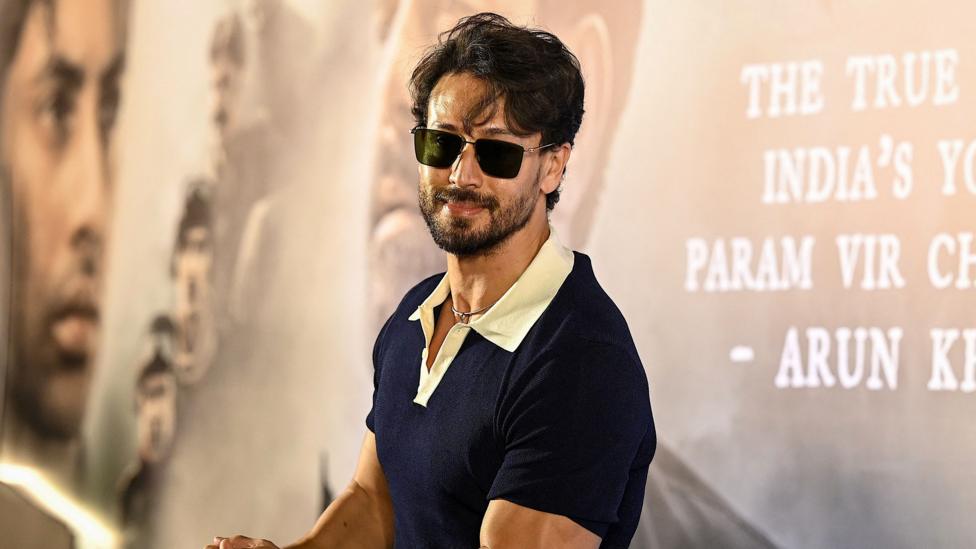 Image source, AFP via Getty Images
Actor Tiger Shroff, who made his debut in 2014, is known for his action roles
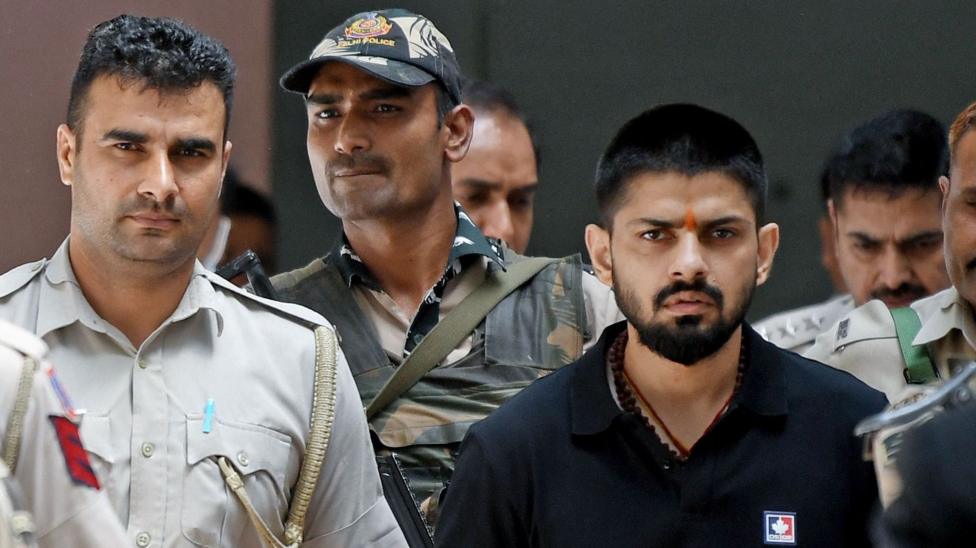 Image source, Reuters
Gangster Lawrence Bishnoi has been locked up in prison since 2015
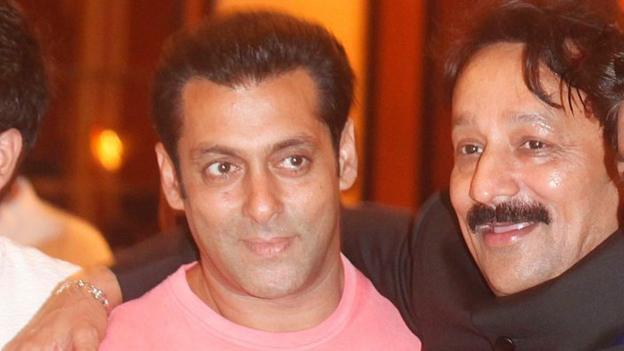 Image source, Getty Images
Bishnoi's gang claimed responsibility for killing Baba Siddiqui (right) in 2024, citing his ties to Salman Khan (left)