The key facts
- October 10 Houthi attack on Riyadh airport: 13 killed, more than 300 wounded — the deadliest strike in more than a decade
- The Makkah agreement with Turkey and Pakistan of August 7 provides for collective defense; Egypt has also requested parliamentary approval for assistance
- Experts: it is difficult to achieve a complete military defeat of the Houthis with air power alone; diplomacy with Iran continues, but Riyadh's patience is wearing thin
Attacks from Multiple Directions
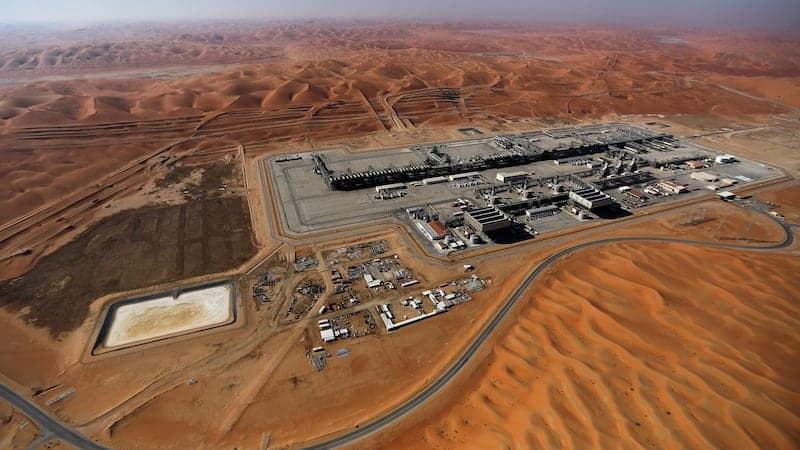
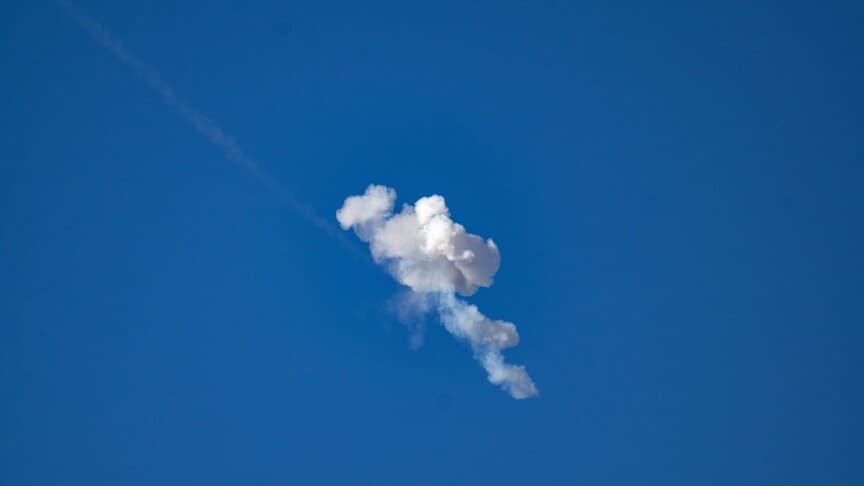
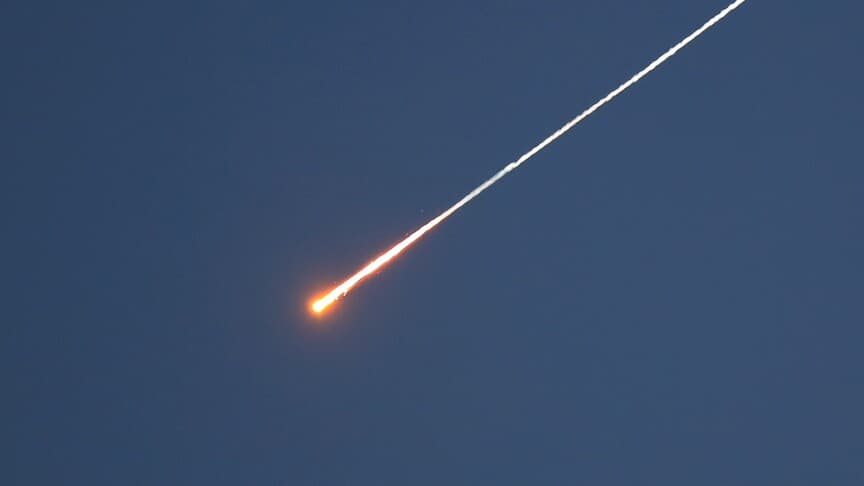
Saudi Arabia is repelling a growing number of drone and missile attacks aimed at key infrastructure — oil and gas facilities, airports, ports and military bases. The threats come from Yemen's Houthis, pro-Saudi... rather, pro-Iranian armed groups in Iraq, and are also linked to the risk of escalation involving Tehran. According to the Riyadh-led coalition, 12 drones were intercepted and destroyed across the country on Wednesday and Thursday. On October 15, the coalition reported intercepting a cruise missile over Medina and three drones in other areas; the Houthis denied involvement in the attacks the same day.
Defense Breaches and Casualties
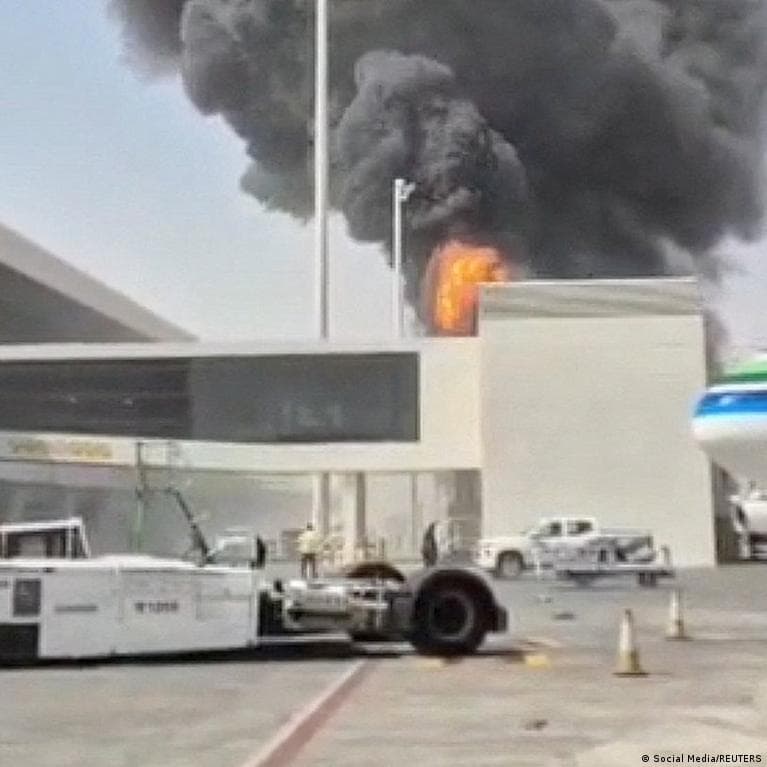
Despite a developed air defense system, some attacks hit their targets. On October 10, a Houthi strike on King Khalid International Airport in Riyadh killed 13 people and wounded more than 300 — the deadliest attack against the kingdom in more than a decade. Even successful interceptions carry risks: the energy ministry reported that on October 15 (Wednesday), while intercepting a drone heading toward an Aramco oil field facility at Shayba, falling debris killed two people and wounded two more.
Regional Alliances and Partnerships
Riyadh is strengthening its defense through regional partnerships, above all the Makkah mutual defense agreement signed with Turkey and Pakistan on August 7. The treaty treats an armed attack on one member as an attack on all three. At an emergency meeting in Riyadh on October 5, the countries agreed on the earliest possible deployment of coordinated forces and assets in the kingdom. On Wednesday, a bill to ratify the agreement was submitted to Turkey's parliament; the explanatory note stresses that the pact is exclusively defensive in nature, and collective action requires consultations and consent in accordance with domestic legislation. Pakistan confirmed an additional troop deployment under a separate bilateral defense agreement of 2025; Pakistani Foreign Ministry spokesman Shafqat... rather, Sajjad Haider Khan stated on October 9 that the alliance's headquarters in Riyadh would determine further deployments, and emphasized that Pakistani forces would not enter Yemen to attack the Houthis. Egypt has also expressed support: on October 18, President Abdel Fattah al-Sisi asked parliament for permission to provide possible military assistance to Saudi Arabia.
Threat Assessment and Air Defense Capabilities
Saudi Arabia's multi-tiered air defenses include American Patriot batteries and the THAAD system. According to Robert Pinfold, a lecturer in international security at King's College London, the Houthis pose a persistent threat: they have 'proven highly capable of withstanding strikes' and used ceasefires with Saudi Arabia and the UAE to rearm and modernize an arsenal that includes ballistic and cruise missiles and drones. Their attacks on sea lanes also threaten regional trade and energy exports. In July, Saudi Arabia and its partners assessed that the Houthis, in coordination with Iraqi armed groups, had launched attacks on Saudi territory from Iraq. Anna Jacobs, a fellow at the Arab Gulf States Institute in Washington, noted that Riyadh is also concerned about the possibility of a new US-Iran war; The New York Times reported on Wednesday, citing a publication, that the American and Israeli militaries have developed concrete plans for new strikes on Iran after the US midterm elections in November. Geography complicates the task: across an area of about 2.15 million square kilometers, facilities are scattered over a vast territory, and massed attacks deplete costly interceptors.
The Limits of Military Force and Diplomacy
Saudi Arabia's well-equipped air force allows it to strike Houthi positions in Yemen, but in Pinfold's view, a decisive outcome would require effective, coordinated ground forces, which Riyadh has so far not committed. The Houthis' ability to disperse weapons and hide military facilities, as well as Yemen's mountainous terrain, make it difficult to destroy their capabilities with air power alone. The anti-Houthi forces inside Yemen that rely on Riyadh, according to Pinfold, have different political orientations and do not always operate under a unified command. The intervention launched in 2015 did not eliminate the threat, and a new protracted campaign carries military and political risks without guarantees of security. On the diplomatic track, Pinfold believes the Houthis are seeking not victory over Riyadh but a 'winning peace' — consolidation of their position in Yemen, possibly with concessions, including the previous schemes of Saudi financial support for civil servants in territories under their control. Jacobs notes that Riyadh continues dialogue with Tehran, but its patience is clearly running out, and scenarios of military escalation may multiply. In her assessment, a complete military defeat of the Houthis is unlikely, and ultimately Riyadh will have to return to negotiations: 'Saudi Arabia has few good options.'