The key facts
- Trump is open to a meeting with Kim Jong Un during his Asia tour in November, but admits he is 'not sure anyone is asking for a meeting'.
- Analysts call the prospect of a meeting almost zero: the DPRK is receiving support from Russia and China, and the economy has been growing for the third year in a row.
- Pyongyang refuses to discuss denuclearization; in September Kim Yo Jong called the country's nuclear status 'absolute'.
Trump's Initiatives and Pyongyang's Silence
As world leaders prepare for the November APEC summit in Shenzhen, speculation is growing about a possible meeting between Donald Trump and Kim Jong Un, although experts consider such a prospect unlikely. The dynamic has changed compared to 2019, when Kim returned home empty-handed on a 60-hour train after the failed summit in Hanoi: now it is Trump who is taking the initiative, while Pyongyang remains silent. Last week Trump again said he 'may' meet with Kim during his Asia tour next month and that it 'would be exciting'. However, on Monday he noted: 'I don't know... I'm not sure anyone is even asking for a meeting', adding that his 'relationship with Kim Jong Un is very good'. South Korea's Ambassador to Washington Kang Kyung-wha said last week that there has been no concrete progress toward a meeting.
Why the Status Quo Suits Kim
Analysts note that Trump is seeking a foreign policy success amid the protracted war with Iran and a possible announcement of negotiations ahead of the midterm elections, whereas Kim has fewer incentives. Sending troops and weapons to help Moscow brought the DPRK support from Vladimir Putin and helped soften the effect of UN sanctions over the nuclear program. According to an estimate by the South Korean central bank published in July, the DPRK economy grew by more than 3% for the third consecutive year in 2025 — the main driver was named as 'the expansion of economic cooperation with Russia'. China remains a key ally as well. 'I see an almost zero chance of a meeting. For Kim Jong Un, maintaining the status quo is the best option right now', Lim Eul-chul, a professor at the Institute for Far Eastern Studies of Kyungnam University, told AFP.
History of Negotiations and Seoul's Position
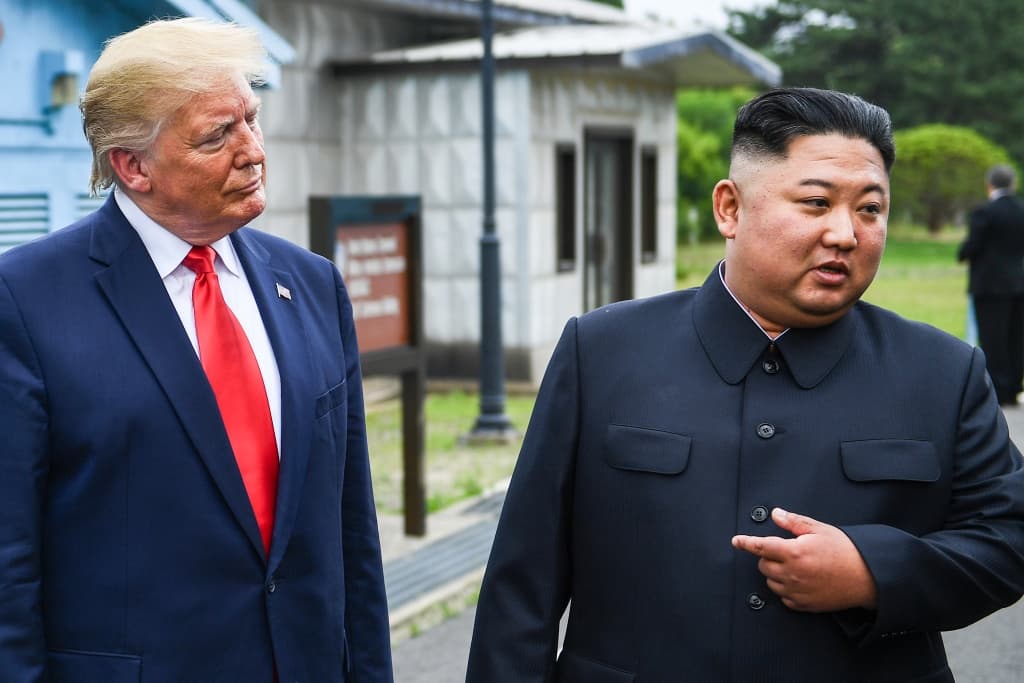
During his first term, Trump met with Kim three times — in high-profile summits aimed at denuclearization, but there was no tangible progress; at one point he declared that they 'fell in love'. Since then, the DPRK has continued to build up its arsenal. South Korean President Lee Jae-myung, who has repeatedly offered Pyongyang negotiations without preconditions, suggested in September that Washington should seek a freeze rather than the immediate elimination of the nuclear program in exchange for sanctions relief. Critics believe such an approach risks tacitly recognizing the DPRK as a nuclear state and would allow Pyongyang to obtain sanctions relief without giving up its arsenal.
China and Bloc Alignment
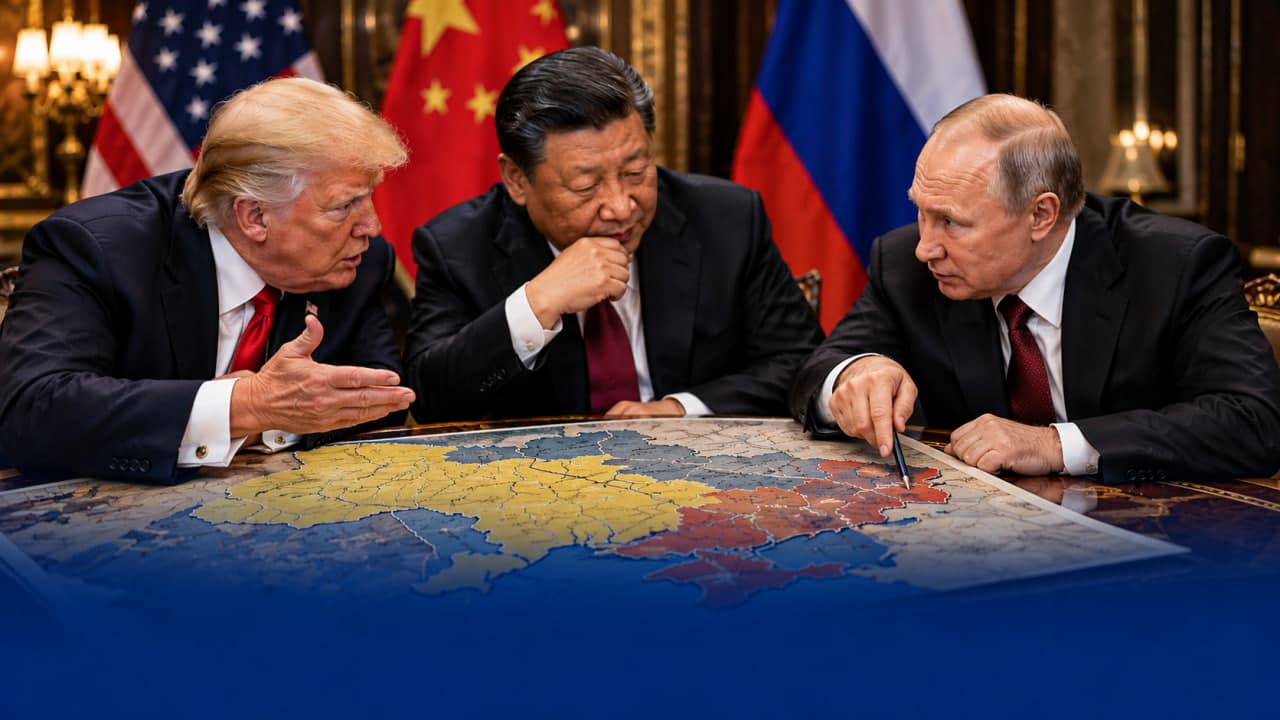
Analysts believe China is also moving toward an implicit recognition of the situation. In June, Kim hosted Xi Jinping in Pyongyang shortly after Xi's summits with Trump and Putin in Beijing; neither Pyongyang nor Beijing mentioned denuclearization in official statements — experts saw this as a sign of tacit agreement. 'The division into blocs — the US and Japan on one side, the DPRK, China and Russia on the other — creates significant opportunities for the DPRK', Hong Min, a senior research fellow at the Korea Institute for National Unification, told AFP. Pyongyang has repeatedly made clear that it is no longer ready to discuss denuclearization: in September Kim's sister Kim Yo Jong called the country's nuclear status 'absolute' and those hoping for denuclearization 'idiots'.
Is a Shift in US Policy Possible
'A more important question is whether Washington will begin negotiations based on the assumption that the DPRK's arsenal will not disappear. I see the probability of such a policy shift as significant', Vladimir Tikhonov, a professor of Korean studies at the University of Oslo, told AFP. China, whose influence partly rests on its role as a mediator between Pyongyang and Washington, could lose leverage in the event of a direct deal between Trump and Kim in Shenzhen. 'Dialogue may proceed with the understanding of Putin and Xi Jinping', believes Yang Mu-jin, former president of the University of North Korean Studies. According to him, given the immediate benefits from Russia, 'giving up these advantages, exiting the Russian-Ukrainian war and entering into an uncertain dialogue with the US is hard to imagine right now'.