The key facts
- Ministers will gain the power to compel telecom companies to share information and to change or shut down services in response to national security threats; fines for non-compliance — up to £17 million or 10% of global turnover
- Penalties for deliberate interference with cables and pipelines — up to 14 years, for reckless acts — up to 10, for gross negligence — up to 2 years, plus unlimited fines
- The industry consultation closes in January, with legislation to follow
New emergency measures
The UK government has unveiled a plan of new measures to protect subsea internet cables amid growing concern over possible Russian interference. Ministers will gain powers to compel telecom companies to share information, as well as to change or shut down services in connection with specific threats or incidents. Officials will also be granted access to facilities, including cable landing stations. Companies that refuse to comply with orders could be fined up to £17 million or 10% of global turnover; orders will normally be published, but can be kept secret in the interests of national security.
Tougher penalties
Stricter criminal sanctions are planned for interference with subsea internet cables or energy pipelines: up to 14 years' imprisonment for deliberate acts, 10 years for reckless acts and two years for gross negligence, as well as unlimited fines.
Why now
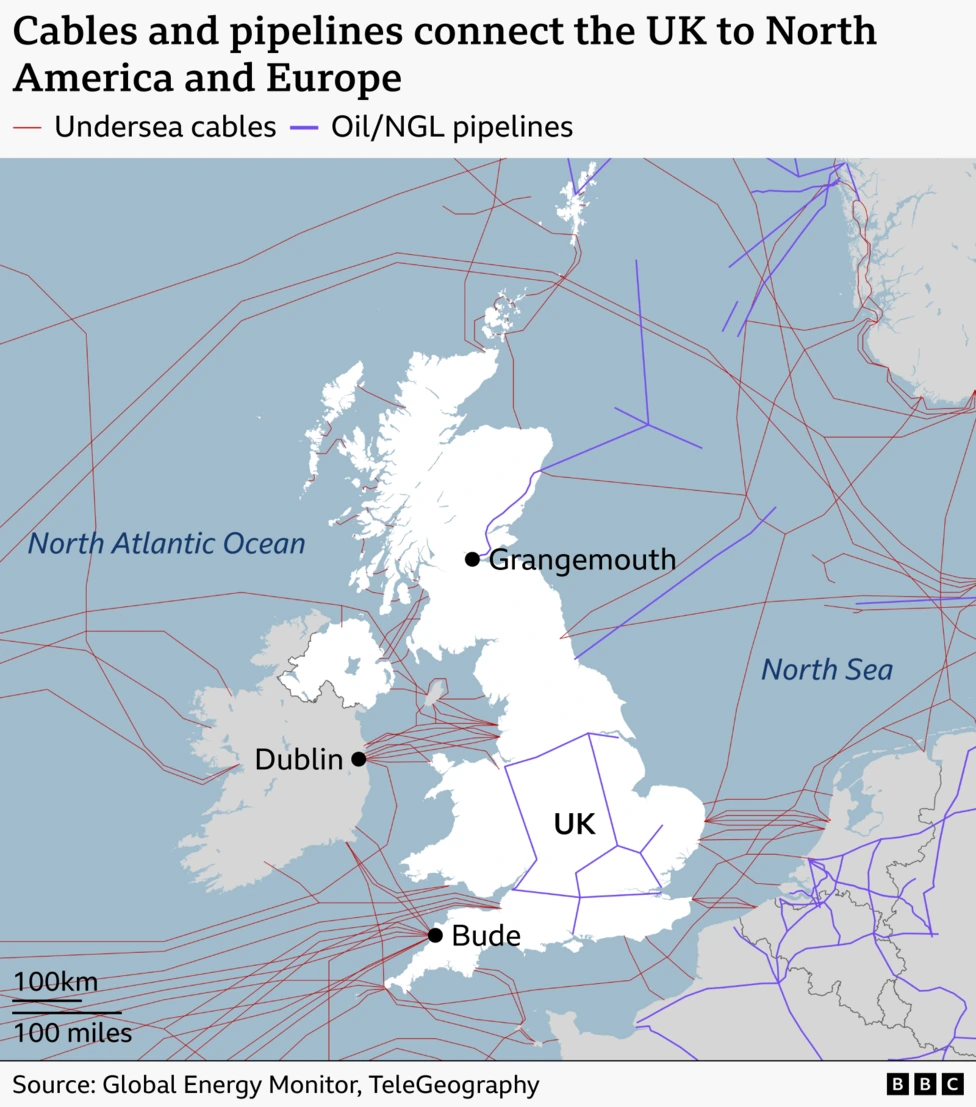
According to the government, it currently has no emergency powers to respond to subsea infrastructure incidents: equivalents of the measures that exist in maritime and air transport are absent, and broader mechanisms for national emergencies may prove too slow. Subsea cables and pipelines, owned mostly by the private sector, are estimated to carry almost all of the UK's international data traffic and three quarters of gas supplies. A parliamentary report last year warned of vulnerabilities in transport, supply chains, financial services and payment systems.
The Russian context
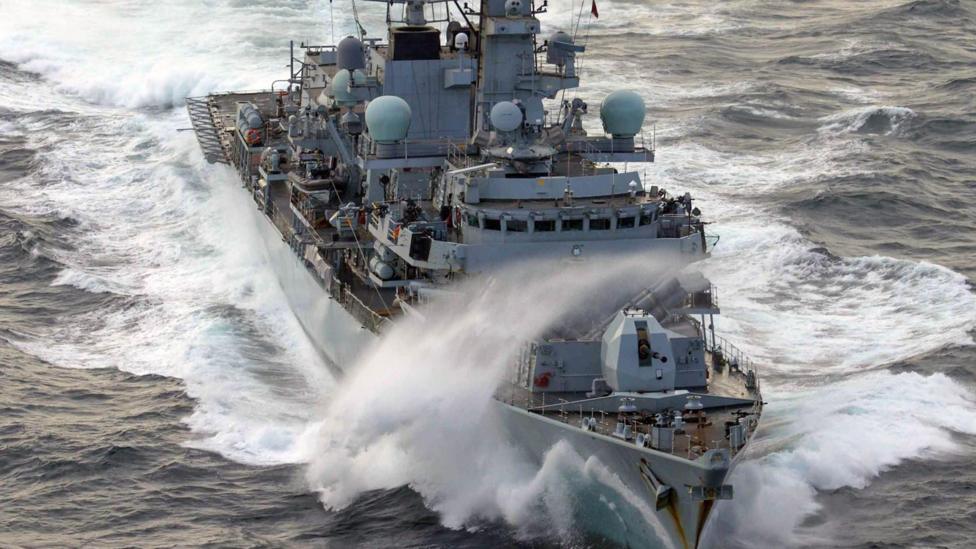
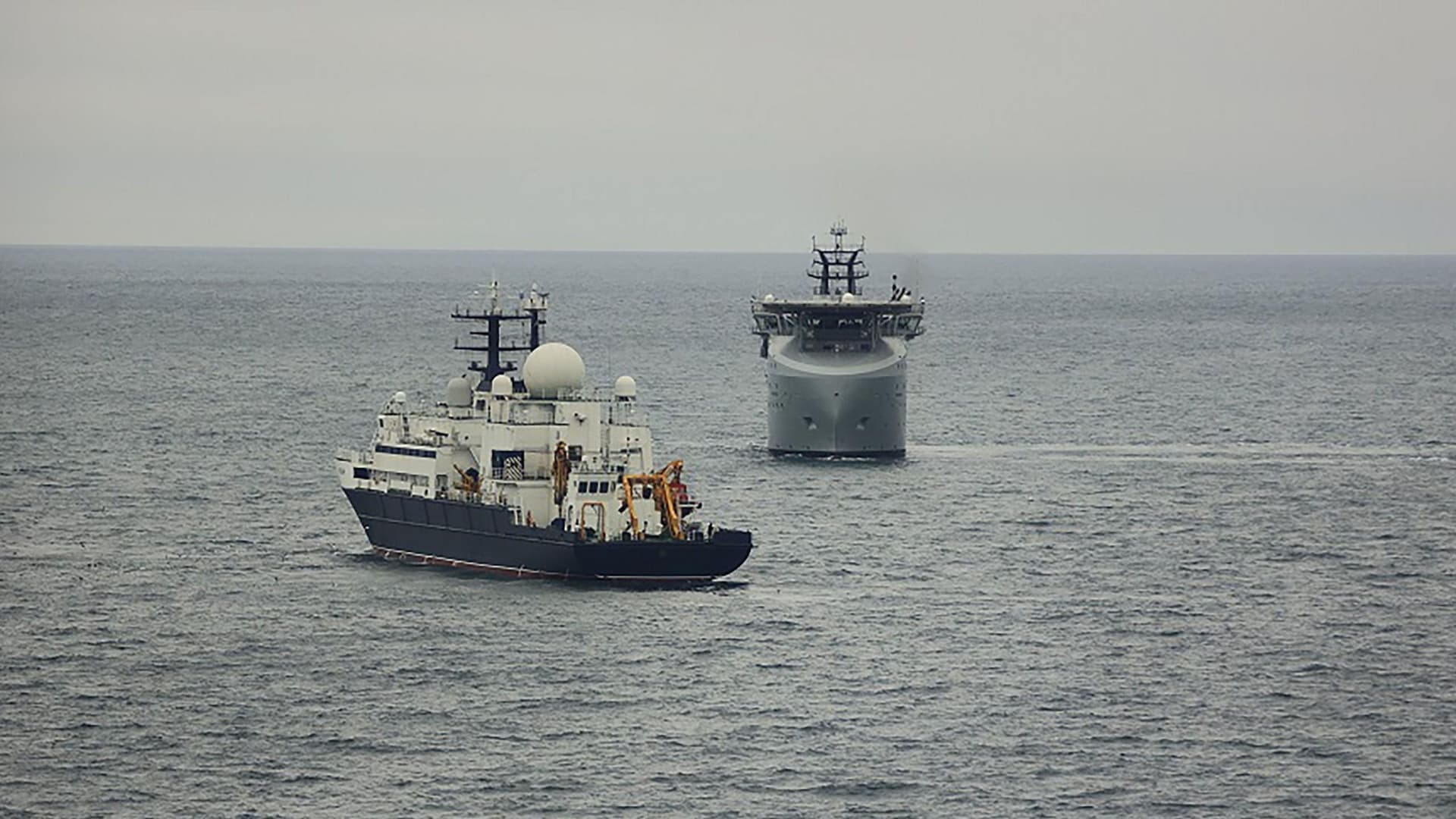
The UK and NATO allies are concerned about risks posed by Russia to maritime infrastructure. In April, the government accused Russian submarines of covertly operating over cables and pipelines in waters north of the UK, and also claims that Russia has mapped subsea infrastructure using intelligence ships: last year the navy escorted the vessel Yantar, reportedly belonging to the Russian Ministry of Defence, near British waters. Russia denies the accusations and says London is stoking tension through 'anti-Russian alarmism'.
Limitations and next steps
The powers are not intended for energy infrastructure companies — separate measures are being considered for that sector. The government hopes to extend them to the full extent of subsea services, including waters beyond the 12-mile territorial zone, but acknowledges this will require coordination with other countries. The document also notes uncertainty: existing Victorian-era legislation, written for telegraph cables, may not apply to modern fibre-optic ones. The changes will require new legislation, to be introduced after the industry consultation, which closes in January.
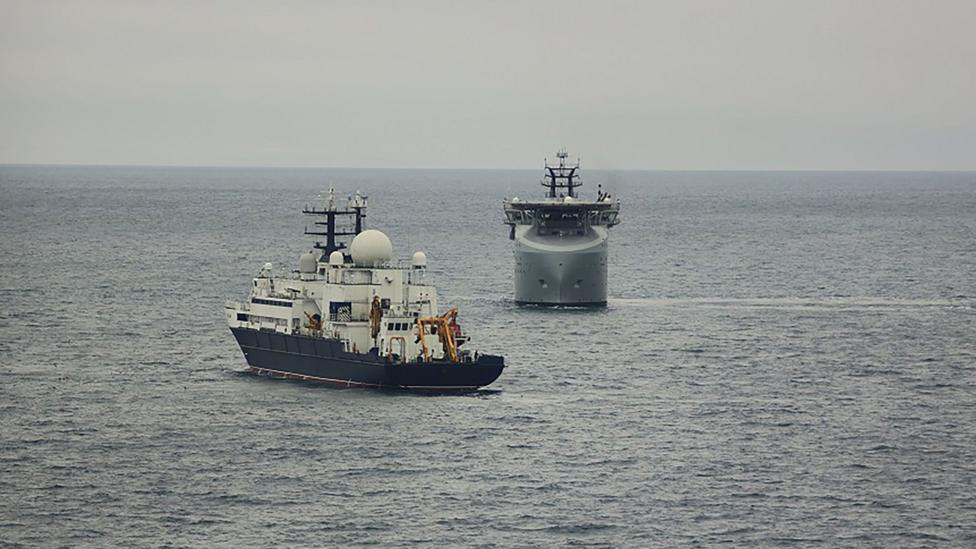 Image source, Royal Navy/PA Wire
The UK has accused the Yantar, operated by Russia's Ministry of Defence, of mapping underwater infrastructure