The key facts
- The Commons Defence Committee reported 'glaring gaps' in the UK's ability to defend the Arctic region.
- A 'shockingly low availability' of submarines and a temporary loss of the ability to operate under Arctic ice were noted.
- The Ministry of Defence says it is aware of the threat from Russia and is investing in the protection of undersea cables.
Parliamentary committee report on gaps in Arctic defence
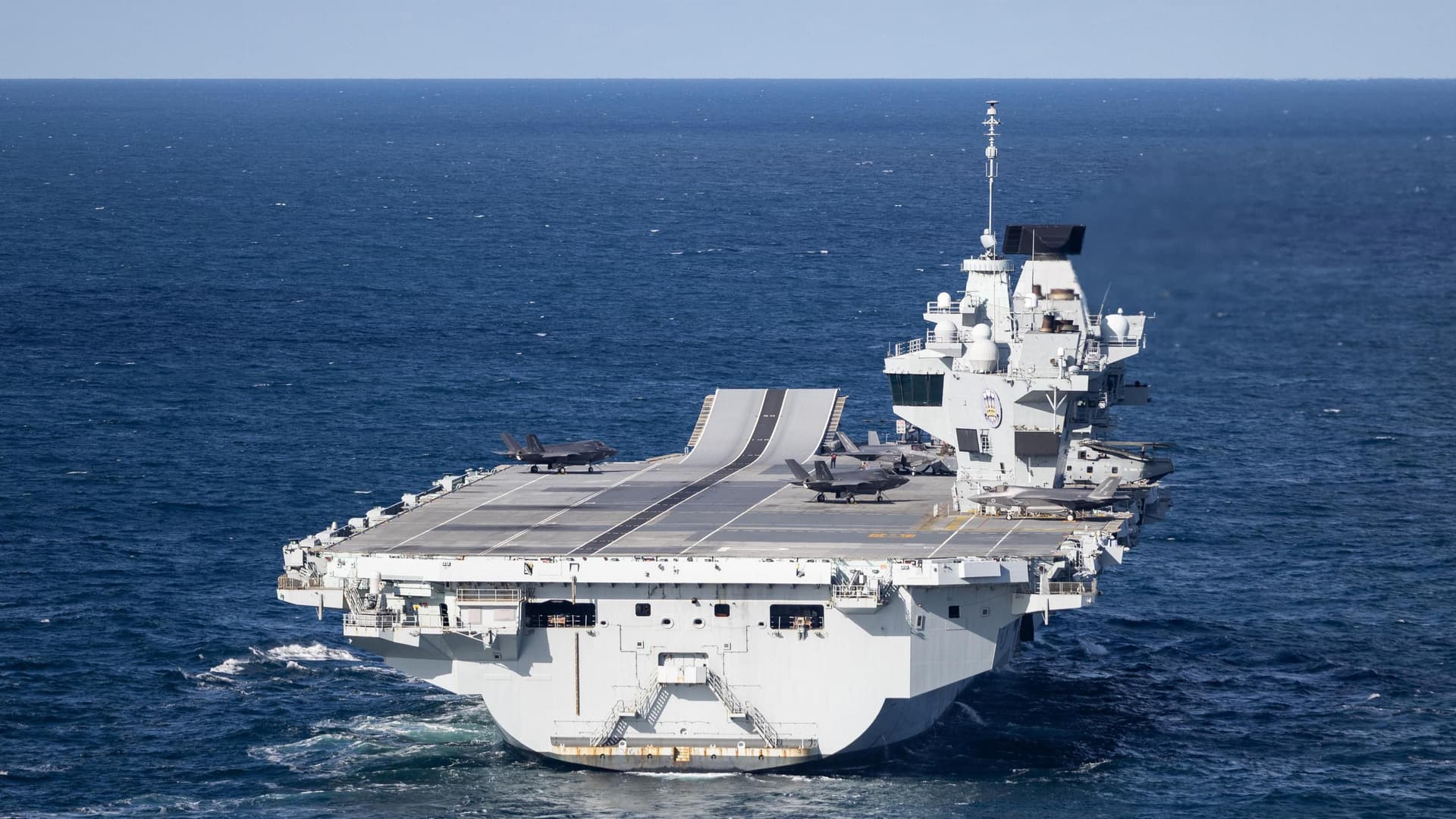
The Commons Defence Committee has warned that the UK has 'glaring gaps' in its ability to defend the Arctic region, leaving it vulnerable to potential Russian attacks. According to the MPs, a shortage of Royal Navy warships and submarines leaves the country's critical infrastructure in the High North unprotected, including undersea cables and energy supplies.
Conflict scenario and the submarine problem
In the event of a conflict, as stated in the report, Russia could threaten the UK's population, civilian and military infrastructure, as well as vital supply routes across the Atlantic from the US. The MPs noted a 'shockingly low availability' of submarines and a temporary loss of the ability to operate them under Arctic ice. The report says Russia could use the ice to shelter and protect its own submarines while simultaneously threatening NATO's sea lanes, the UK's critical infrastructure and its nuclear deterrent.
The High North at the centre of defence concerns
The High North — including the Arctic Circle and adjacent areas — has in recent years become central to the UK's defence concerns. Earlier this year, the Ministry of Defence reported that Russian submarine activity in the North Atlantic had returned to Cold War levels. Former Prime Minister Sir Keir Starmer previously warned that Russia could attack NATO by the end of the decade.
Reaction and proposals
Defence Committee chairman Tan Dhesi said: 'This is a demanding, hostile environment, and one which our greatest adversary, Russia, seeks to dominate for military advantage.' In his words, work to close these gaps 'cannot start too early'. Given the uncertainty over US support for NATO, the report proposes considering whether the British-led Joint Expeditionary Force (JEF) — a coalition of northern European countries — should focus more on the High North. A Ministry of Defence spokesman responded that the JEF is already 'strengthening NATO's northern flank and increasing our ability to respond rapidly to emerging threats', and that the department 'clearly sees the threat posed by Russia' and is actively investing in the protection of the country's undersea cables. Conservative shadow readiness minister Stuart Anderson said: 'If NATO could be at war with Russia as soon as 2030, as the former prime minister warned, then time is just as important as money. To deter war, we must be ready for it, and that means spending money now rather than putting it off until it is too late.'
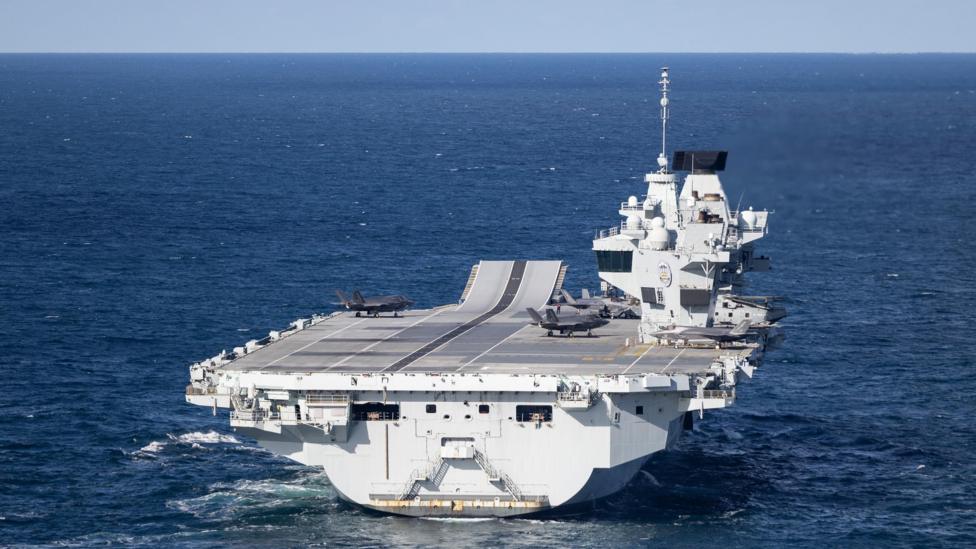 Image source, UK Ministry of Defence
A UK carrier conducts operations in the High North and Arctic