The key facts
- Trump: sanctions against Russia would have hindered Hubbard's release
- Earlier he claimed the US 'gave nothing in return' for the release
- Trump linked the refusal to impose sanctions to negotiations on Ukraine and called the talks with Putin 'very good and very fast'
Trump on Hubbard's release and sanctions
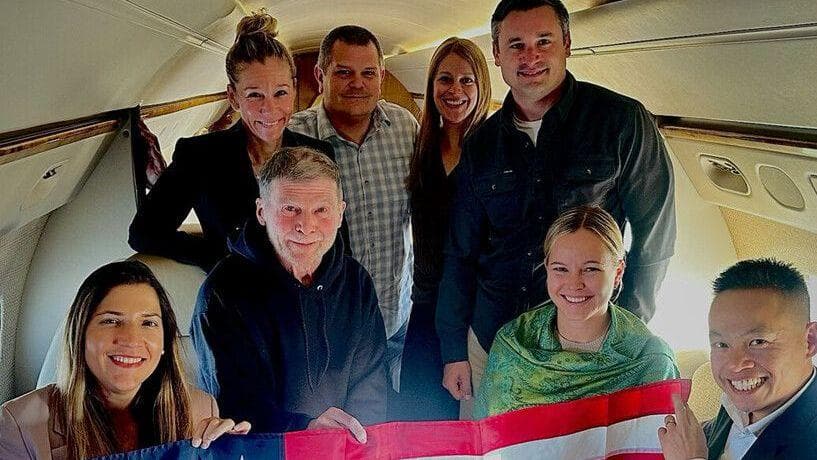
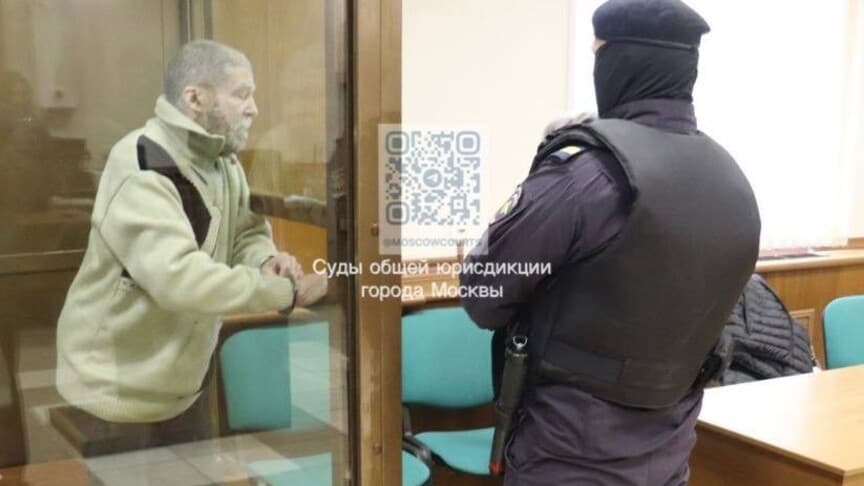
US President Donald Trump told reporters on Wednesday as he departed the White House for a rally in South Carolina that imposing sanctions on Russia could have prevented the release of American citizen Stephen Hubbard. This came after his earlier remarks that Washington 'gave nothing in return' for Hubbard's return. When CNN correspondent Kaitlan Collins asked about the contradiction, Trump replied: 'If I hadn't done that, you wouldn't have seen Mr. Hubbard's return,' and in response to the remark 'so you did give something,' he called CNN 'fake news.'
Link to negotiations on Ukraine
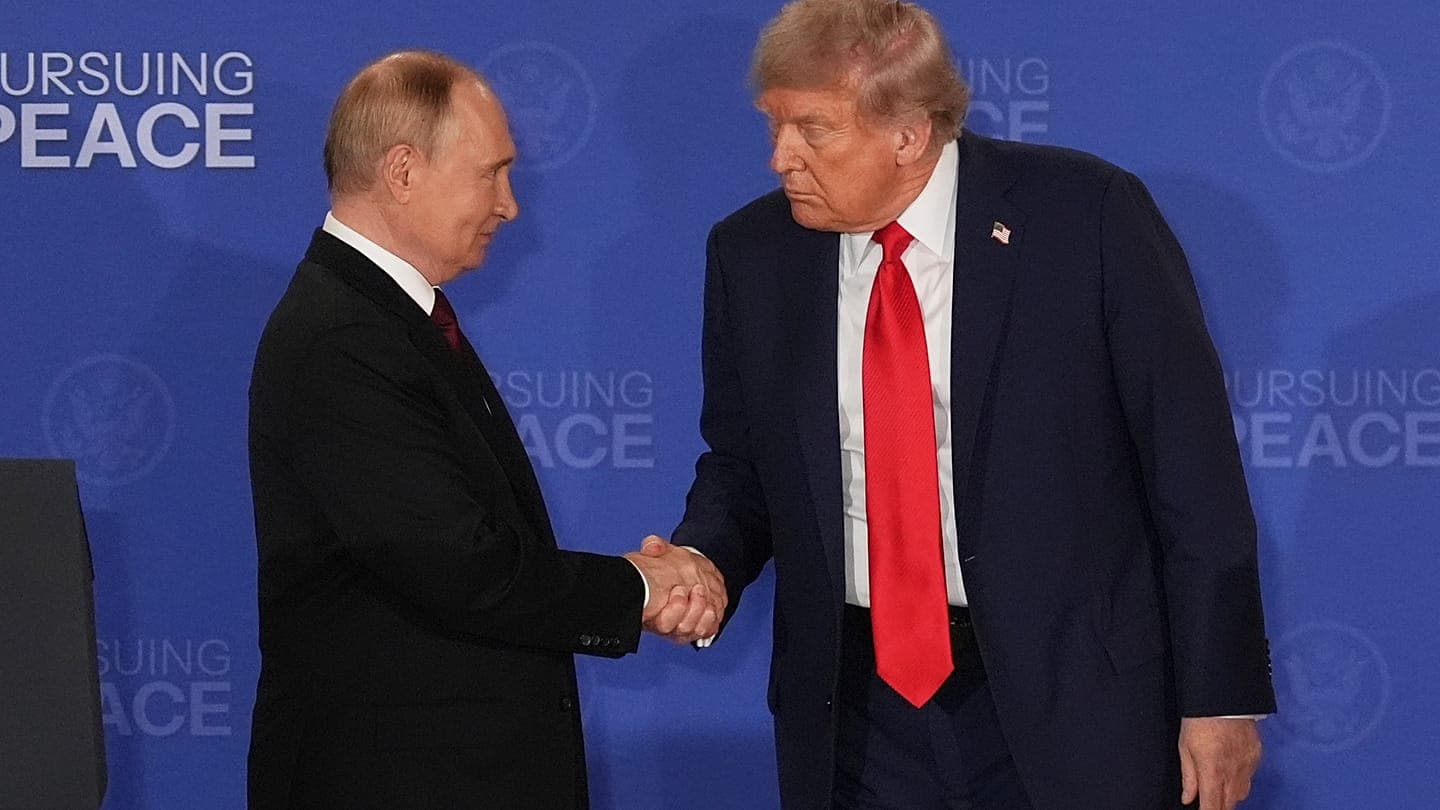
Trump explained the refusal to impose sanctions by the ongoing negotiations with Moscow over the war in Ukraine: 'We may be close to a deal for the first time in a long time. When you're close to a deal and very delicate negotiations are underway, you don't impose sanctions.' When asked whether this meant the sanctions had been lifted in exchange for Hubbard's release, Trump rejected that interpretation and sharply criticized the correspondent. He called the talks with Vladimir Putin 'very good and very fast' and said that without them Hubbard 'would have sat in prison for 25 years.'
On the assessment of Putin
Trump declined to call Putin a 'humanitarian' in a broad sense after special envoy Steve Witkoff praised the Russian leader for agreeing to release Hubbard. He said that such a characterization is 'perhaps applicable' in the context of releasing a man who thought he would remain in prison for life, but added: 'I wouldn't say anything either way.' Earlier, Trump also asserted: 'We never give anything in exchange.'