The key facts
- Russia released 74-year-old American Stephen Hubbard, sentenced in October 2024 to 6 years and 10 months on mercenarism charges; he was taken to Pulkovo Airport.
- The release coincided with a meeting between Putin and Trump's special envoy Steve Witkoff in St. Petersburg; Trump said there was no 'exchange' and linked it to the suspension of sanctions.
- Witkoff discussed with Putin a diesel deal, documents on the peace settlement, the situation around Iran and a possible summit in China.
Hubbard's release
Russia released 74-year-old US citizen Stephen Hubbard, convicted for allegedly taking part in hostilities on Ukraine's side. Vladimir Putin announced this at the start of a meeting with US President's special envoy Steve Witkoff in St. Petersburg, noting that Hubbard was already at Pulkovo Airport. According to the BBC, Hubbard was a teacher from Michigan; CBS News reported his poor health and an expected transfer to Texas for treatment. The US State Department had previously classified him as 'wrongfully detained'.
Circumstances of the case
According to the investigation, Hubbard had lived in Ukraine since 2014 and in February 2022 joined a territorial defense unit in the Kharkiv region, and in April 2022 he was captured by Russian forces. The Moscow City Court in October 2024, in a closed session, sentenced him to 6 years and 10 months in a penal colony under the article on mercenarism (Part 3 of Article 359 of the Russian Criminal Code); the prosecution had sought seven years. At the hearings Hubbard pleaded guilty, but, according to euronews, later denied serving in the Armed Forces of Ukraine, and Ukrainian authorities found no confirmation of his service. The organization Hostage Aid Worldwide called the charges fabricated. His sister Patricia Hubbard Fox, in an open letter to Trump, spoke of 'constant beatings, torture and starvation' in detention; former cellmate Ihor Chichko also described mistreatment.
Statements by Trump and the Kremlin
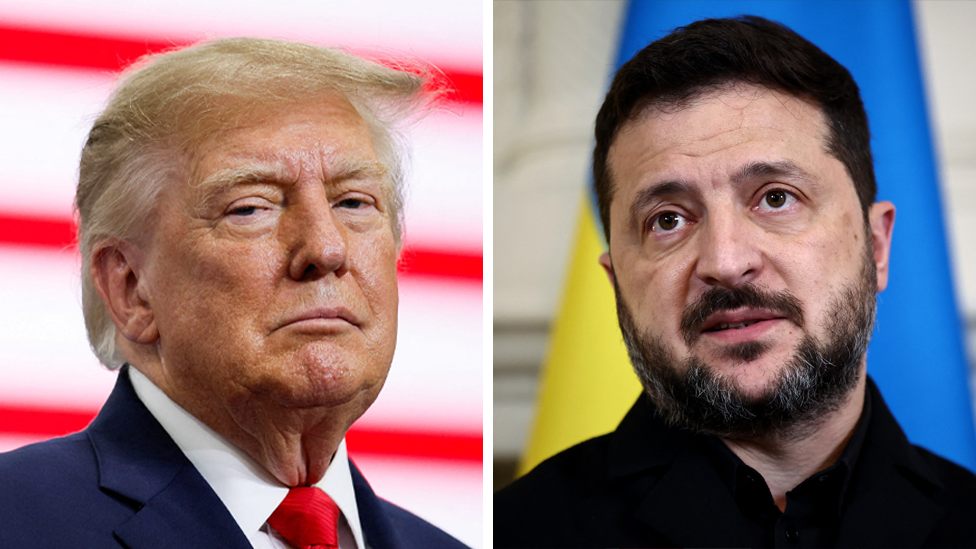
Donald Trump wrote that Hubbard is 'coming home' and that 'no exchange was needed', linking the release to a request he had conveyed 'directly' to Putin and to the recent suspension of sanctions against Russia: 'if the sanctions had been imposed, negotiations would have completely stopped.' Kremlin press secretary Dmitry Peskov characterized the release as a gesture of 'goodwill'. Trump also, according to kun.uz, said that those who had previously demanded immediate sanctions against Russia now 'call with apologies'.
Talks in St. Petersburg
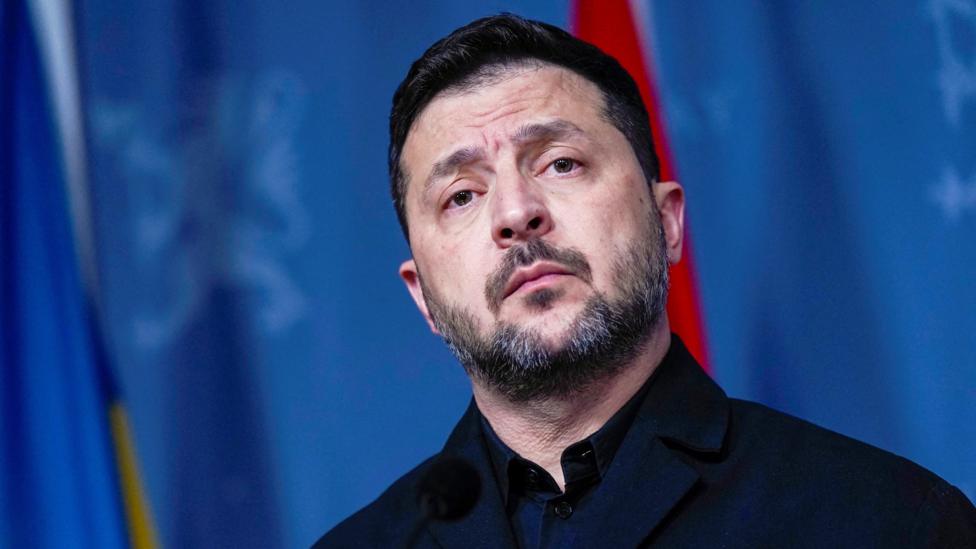
Witkoff, who had held talks with Volodymyr Zelensky in Oslo the day before, thanked Putin: 'Thanks to you, he is returning home to his family,' calling him a 'humanitarian'. He also conveyed Trump's gratitude for the 'diesel deal' on supplies of Russian diesel to the US; Putin, according to TASS's quoted words, said the first shipment would leave 'in two or three days', and world prices fell by 5–6% after the diesel decisions. According to RIA Novosti, discussed were the outcomes of the Oslo talks, documents 'with approaches to the peace process', the situation around Iran, economic cooperation (Putin mentioned fertilizer supplies to the American market) and a possible meeting in China — according to Daryo.uz, a trilateral summit of the US, China and Russia without Zelensky's participation, to which Trump would like to add the topic of nuclear weapons.
Context of tension between Washington and Kyiv
The release came against the backdrop of Trump's steps favorable to Moscow: he suspended a number of sanctions two days before they were due to take effect and said Ukraine needed a new leader. The diesel deal provoked Zelensky's outrage, who said it finances the war. Kyiv accused Washington of halting the exchange of intelligence on Russian strikes — Washington rejected this as 'scandalous' — and of deliberately limiting the Starshield service. On Tuesday Zelensky said intelligence sharing had resumed after 'constructive' talks with Witkoff in Oslo. During the St. Petersburg talks he wrote that 'much depends on whether the American side hears something new from Russia today — about peace, not about continuing the war.' Hubbard became the second American released by Russia in about two months: in August former Marine Robert Gilman was freed.
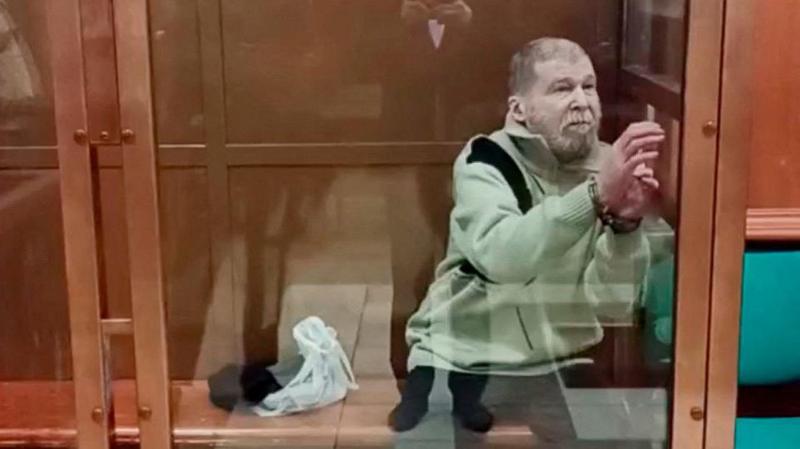 Image source, Reuters
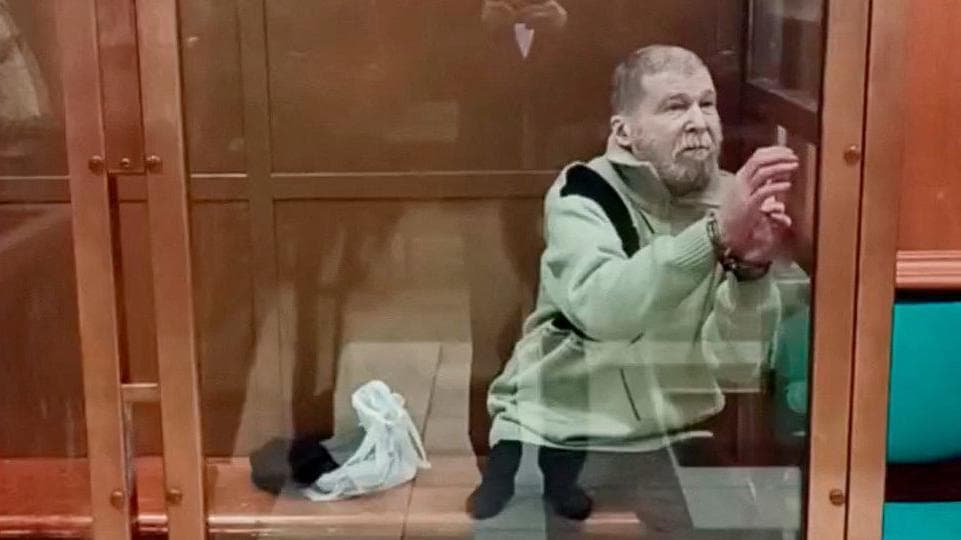
Stephen Hubbard pictured in a Moscow courtroom as he was sentenced in 2024
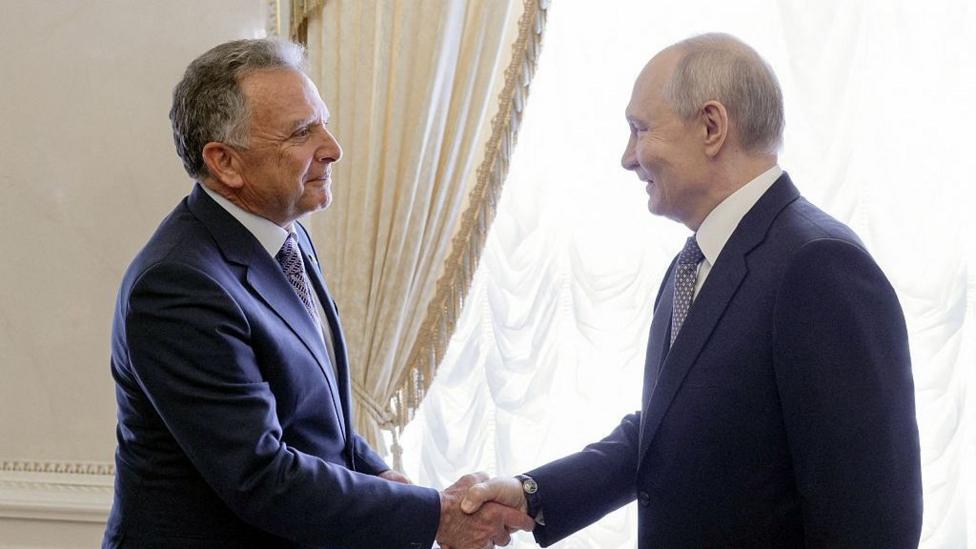 Image source, AFP via Getty Images
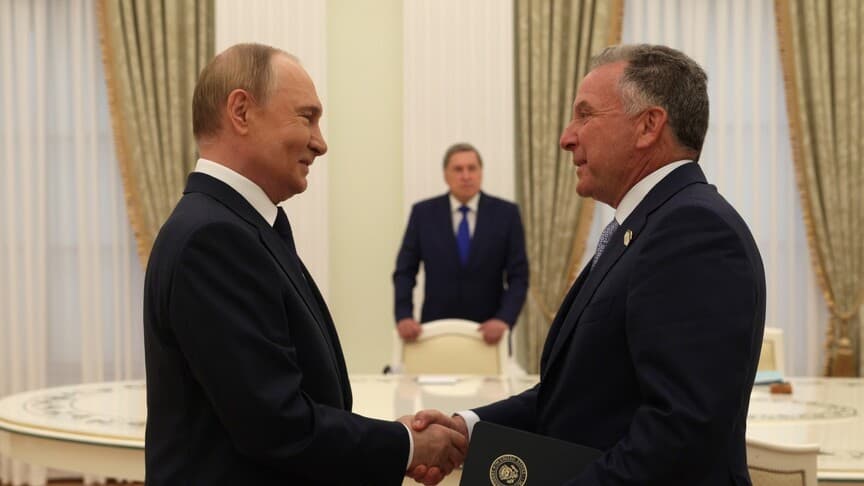
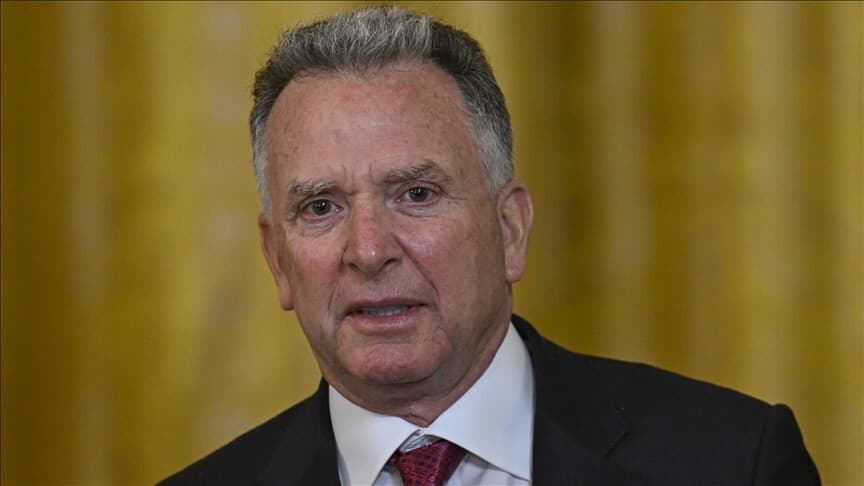
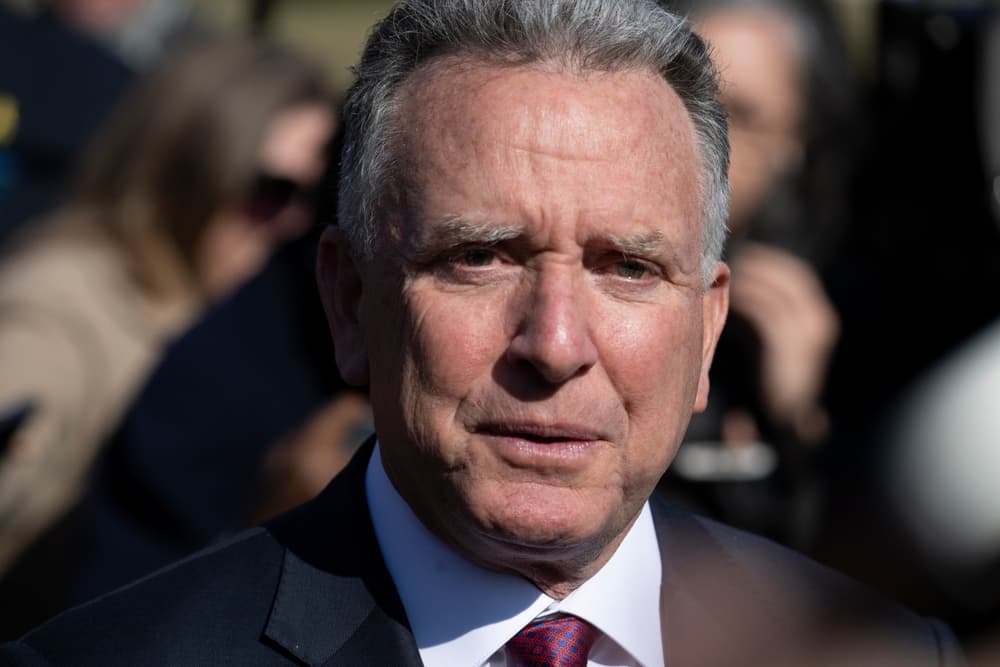
Witkoff and Putin met on Wednesday morning a day after the US envoy held talks with Ukraine's President Zelensky in Oslo