The key facts
- Early parliamentary elections in Serbia will be held on Sunday; voting from 07:00 to 20:00, 6.45 million voters, 18 lists, 250 seats in a single constituency with a 3% threshold.
- The student movement, which emerged after the tragedy in Novi Sad on 1 November 2024 (16 dead), has put forward candidates from various walks of life; among them cardiologist Ilija Srdanovic, Dejan Bodiroga, Tihomir Stanic and Dejan Soskic.
- PACE speaks of a 'tense and divisive' pre-election atmosphere; CRTA reports pressure, while the ECPMF reports 160 attacks on media and journalists over the year.
Elections as a referendum on the future
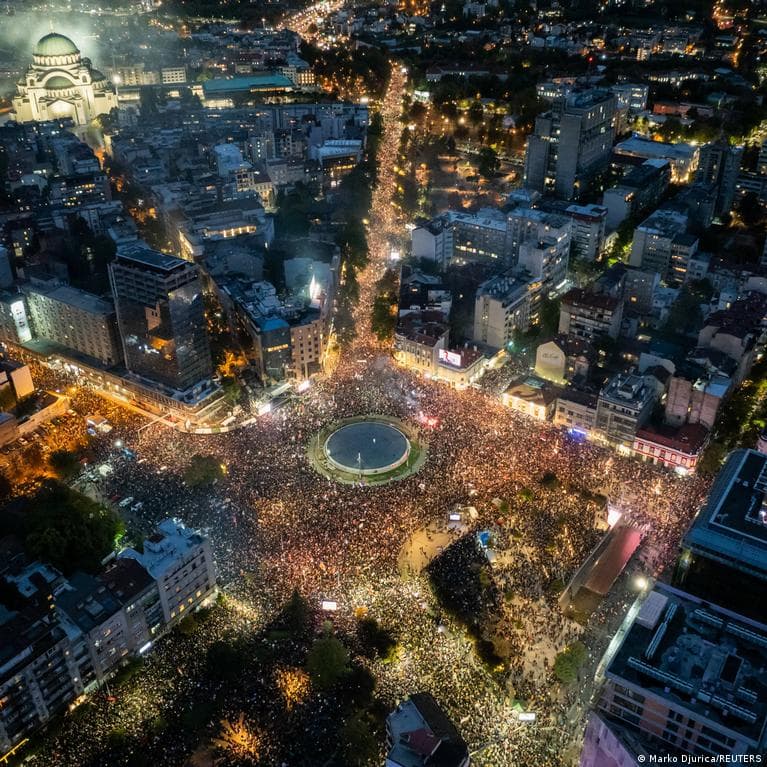
The pre-election campaign has ended in Serbia ahead of early parliamentary elections, which will be held on Sunday. Voting will last from 07:00 (06:00 GMT) to 20:00. According to the BBC, the elections are perceived as a referendum on the country's future and could threaten the 12-year rule of populist leader Aleksandar Vucic. The main threat to his dominance has been the two-year-old student movement, and there are concerns about the fairness of the vote.
Origins of the movement
The movement began on 1 November 2024, when a concrete canopy over the entrance to the Novi Sad railway station, Serbia's second-largest city, collapsed without warning; 16 people died. The tragedy was seen as a symbol of corruption and negligence: critics linked the failed reconstruction of the station to the president, who had associated himself with the project. Weekly student protests grew into a nationwide movement joined by farmers, actors and judges. Vucic's party, the Serbian Progressive Party (SNS), was shaken; the prime minister resigned within weeks, and in March 2025 one of the largest protests in the city's history took place in Belgrade. The leaderless movement organises itself through student assemblies — plenums.
Who are Vucic and the student candidates
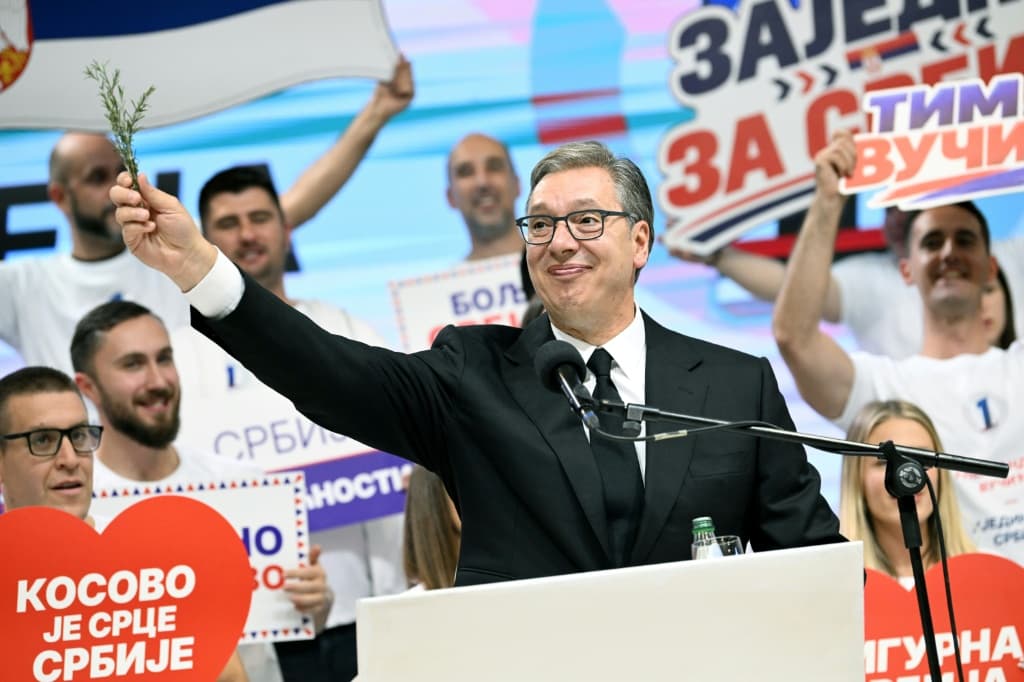
Vucic has served two terms as president and cannot run for a third, so he is leading the party with the aim of returning to the post of prime minister, which he left in 2017. He has held the posts of prime minister or president since 2014, and before that was deputy prime minister for two years. According to the BBC, he promotes unsubstantiated claims that his opponents are not students and professors but 'powerful great powers' seeking to overthrow Serbia. He supports Serbia's EU candidacy but refused to impose sanctions against Russia; several ministers attended the funeral of war criminal Ratko Mladic in Belgrade, which angered the EU. The 'Student List — Students Win' movement has put forward candidates who are not students: they are teachers, professors, actors, doctors, farmers and scientists. The list is led by cardiologist from Novi Sad Ilija Srdanovic, who said during the march to Belgrade: 'The energy is unstoppable.' The list also includes former basketball player Dejan Bodiroga, actor Tihomir Stanic and former governor of the National Bank of Serbia Dejan Soskic. The 11-point programme includes fighting corruption through a special police unit, purging the interior ministry, reforming the media sector and freeing the public broadcaster from political control. Vucic and the SNS deny corruption and influence over the media. Helena Ivanov of the think tank Henry Jackson Society noted that the students have mobilised the masses in a way that traditional opposition parties could not, and that this is the biggest challenge to Vucic since he came to power.
Questions about the fairness of the vote
Serbia's parliament has 250 seats, and elections are held in a single nationwide constituency under a proportional system; 6.45 million registered voters over 18 have the right to vote. Eighteen lists are participating, but only seven have fielded the full 250 candidates; a 3% threshold is needed to enter parliament. Several opposition parties have withdrawn in favour of the Student List. European observers are monitoring the elections. PACE even before the vote spoke of a 'tense and divisive electoral climate' and an 'atmosphere resembling a referendum'. Serbia's election commission insists the elections are free and the ballot is secret. However, the independent monitoring organisation CRTA warned of a campaign marked by threats and physical violence, surveillance of opposition activists and 'electoral engineering' by ministries and local authorities; according to the organisation, about three-quarters of television airtime went to representatives of the authorities. According to the European Centre for Press and Media Freedom, around 160 attacks on media and journalists have been recorded in Serbia this year.
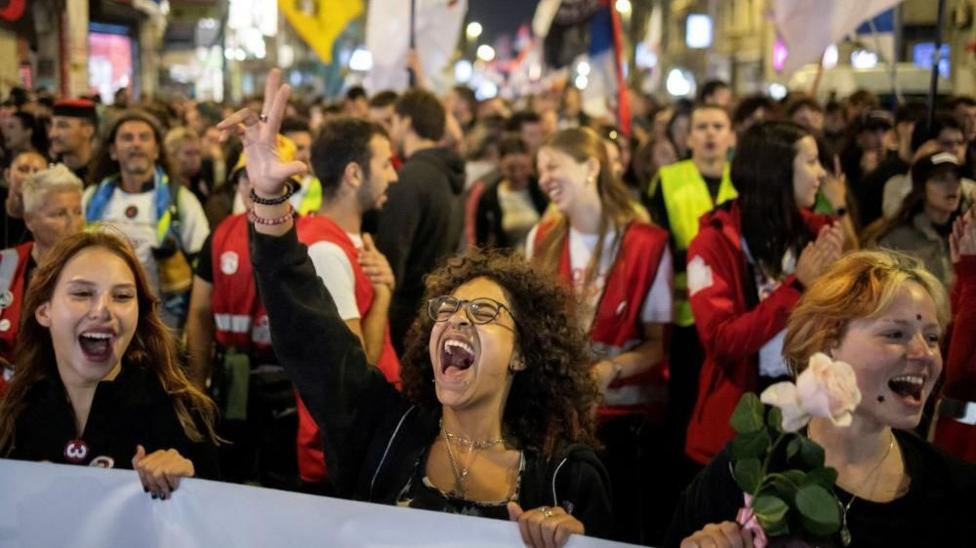 Image source, Reuters
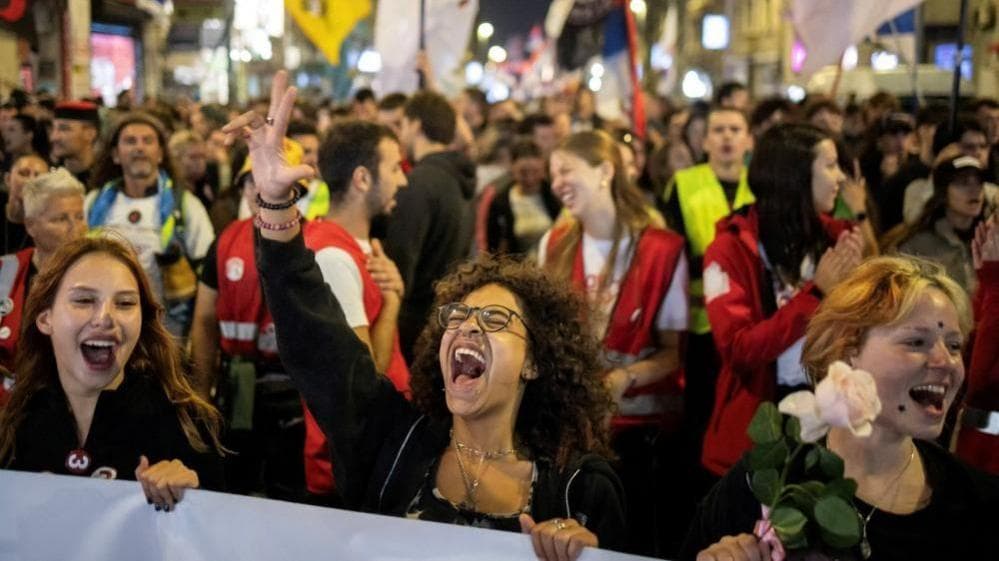
Young Serbians have been the driving force behind the movement, but none of the candidates are students
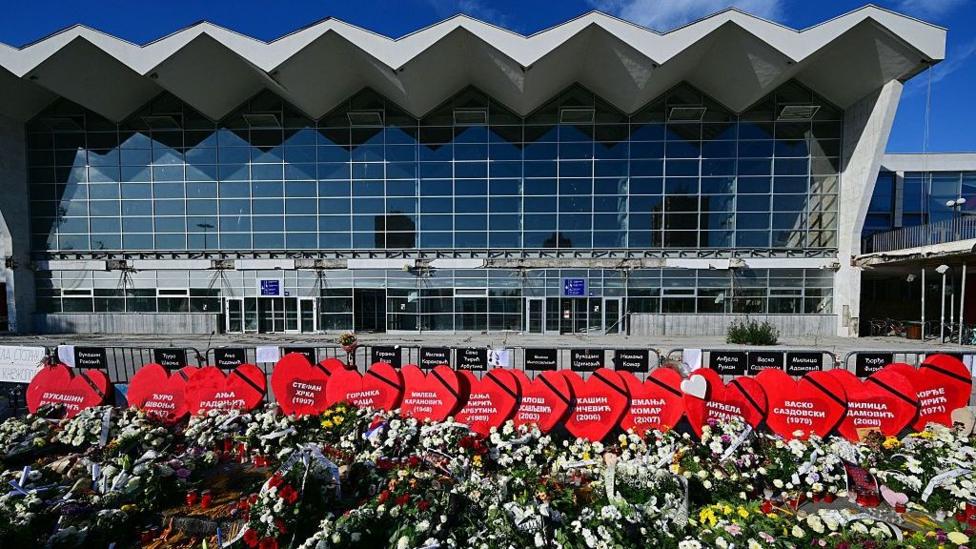 Image source, AFP via Getty Images
The canopy over the front of the station in Novi Sad collapsed without warning on 1 November 2024
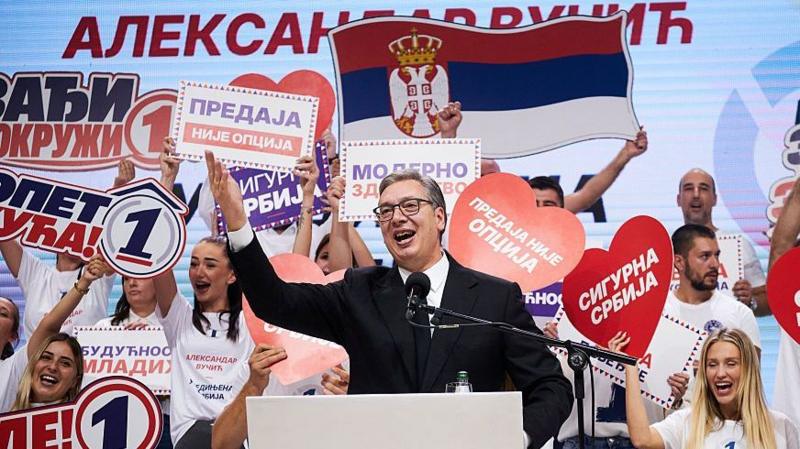 Image source, Pierre Crom/Getty Images
Vučić has been prime minister or president since 2014, and was deputy prime minister for two years before that
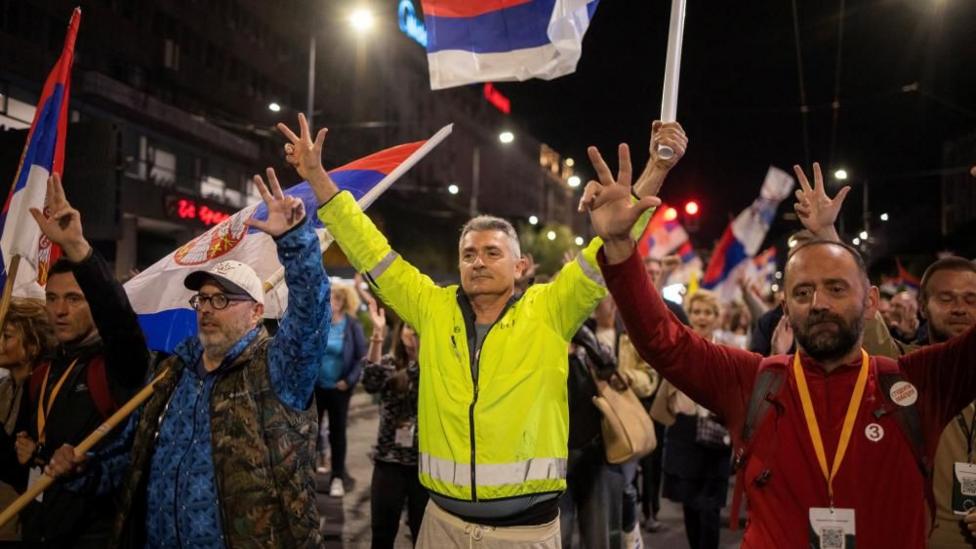 Image source, Reuters
Ilija Srdanović (in yellow) tops the list of Student List candidates