The key facts
- WSJ: Moscow proposed a Trump–Putin–Xi summit on the sidelines of APEC in Shenzhen on November 18–19 without Ukraine and the EU
- Putin agreed to resume talks with US mediation after November 10; a possible round could take place in Abu Dhabi
- DW experts differ on assessing China's role: symbolic participation or a coincidence of interests with Russia
Proposal for a trilateral summit
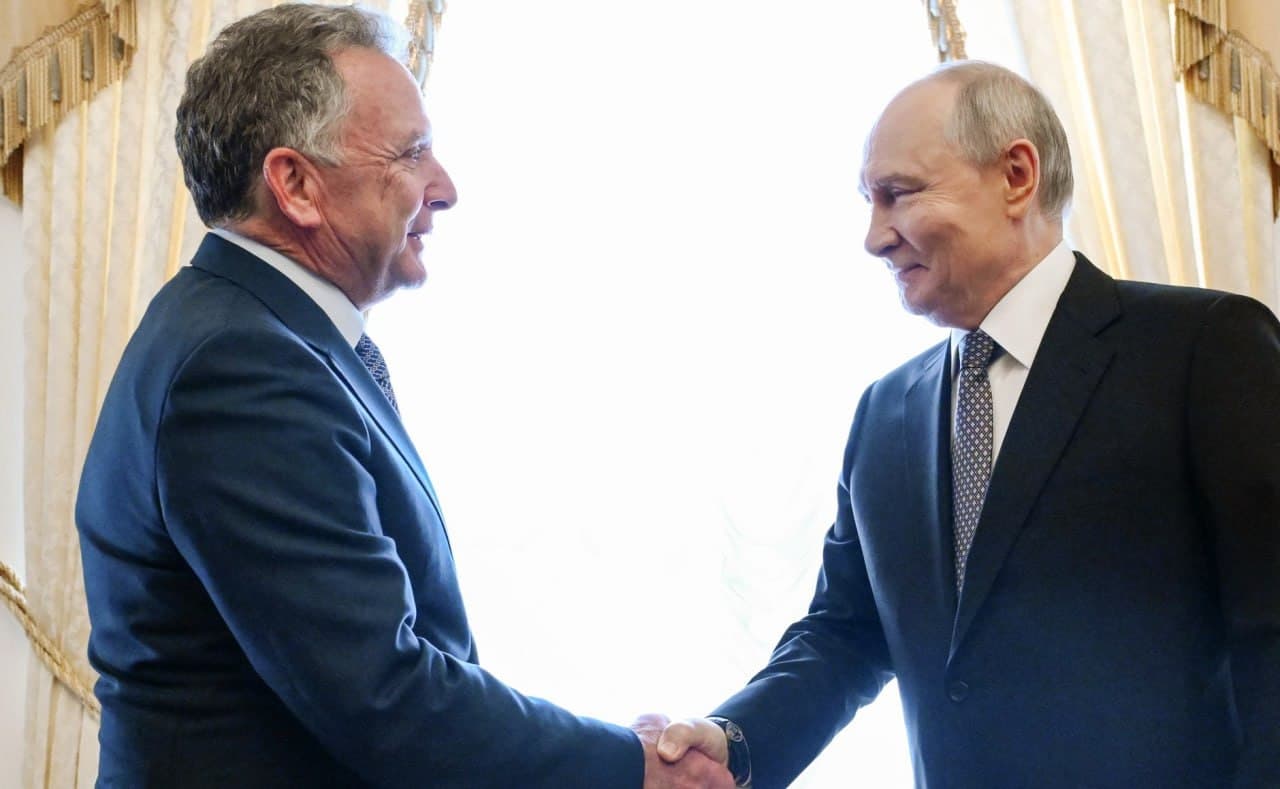
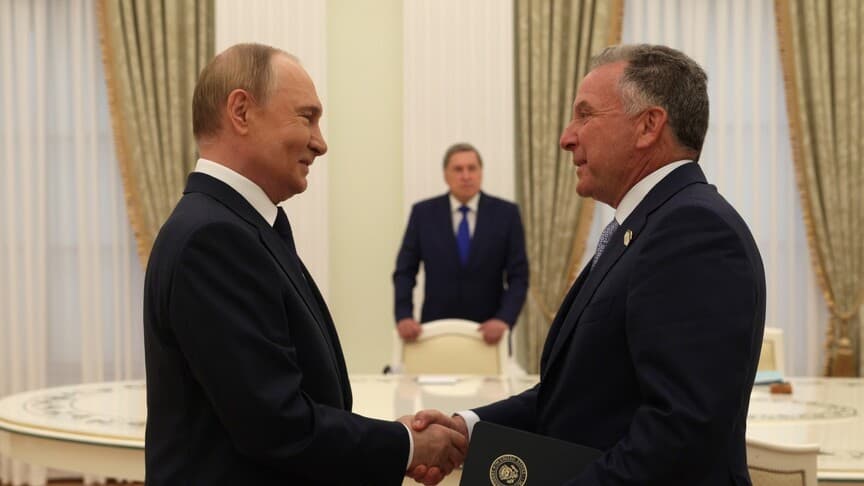
Donald Trump's administration intensified its diplomatic efforts this fall to revive the frozen talks on ending Russia's war against Ukraine. Washington stepped up pressure on Kyiv and European partners while simultaneously trying to bring Moscow back to the negotiating table through concessions, including a deal on exporting Russian diesel to the US and a temporary easing of some sanctions. The Kremlin, however, is in no hurry with substantive negotiations: after the meeting between US special envoy Steve Witkoff and Vladimir Putin in St. Petersburg (according to DW, on November 21), Moscow announced its readiness for technical-level talks with Ukraine next month. Putin's aide Yuri Ushakov said the president agreed to resume negotiations with US mediation after November 10; the next round may take place in Abu Dhabi and concern 'building a security system for Russia and Ukraine after the end of the war.' Ushakov also noted that Putin shared with Witkoff his thoughts on a possible trilateral summit involving Trump and Xi Jinping, and that Beijing is already preparing for the meeting.
A format without Ukraine and Europe
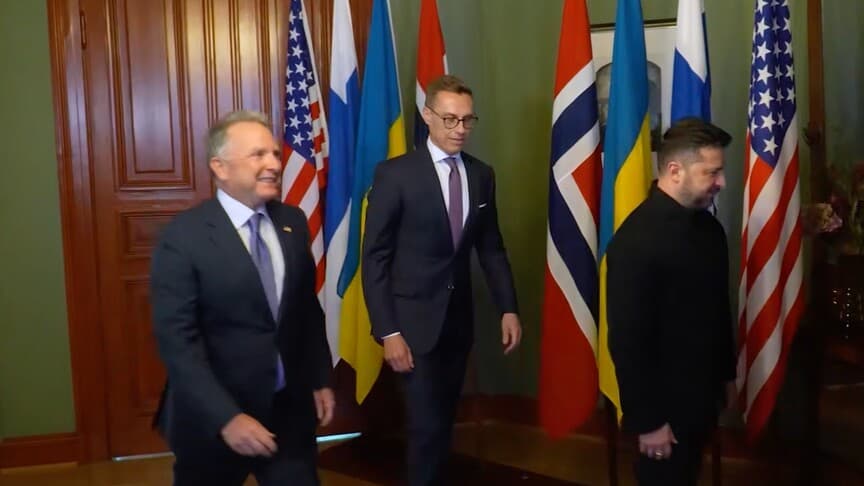
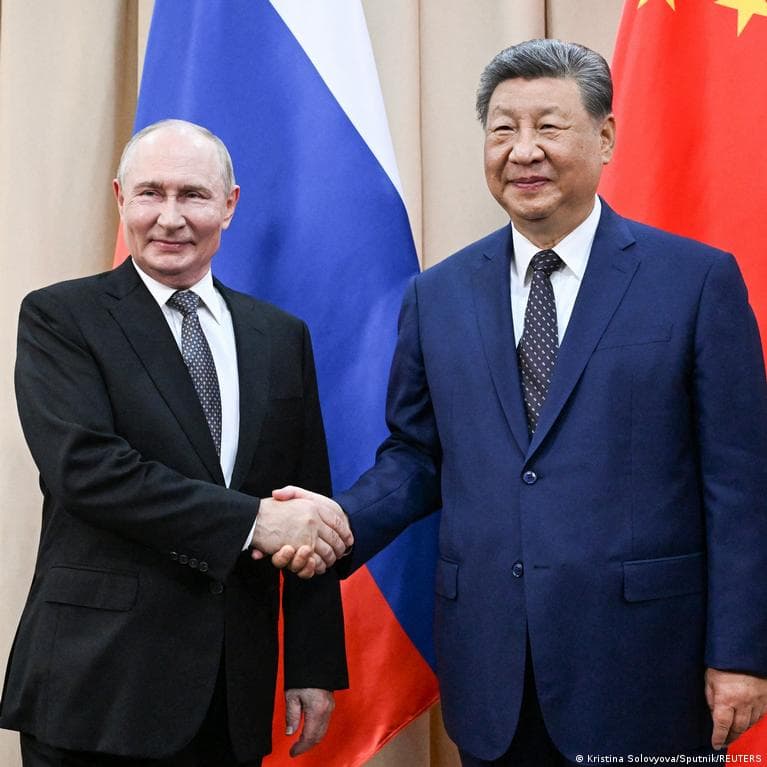
As The Wall Street Journal reported earlier this week, citing sources, Moscow proposed holding a trilateral meeting on the sidelines of the APEC summit scheduled for November 18–19 in Shenzhen. According to WSJ, Putin hopes to reach an agreement with Trump and Xi on ending the war on terms favorable to Russia and views the meeting as a potential 'new Yalta' — a reference to the 1945 conference on the postwar order in Europe. Chinese officials, through diplomatic channels, made it clear that Beijing does not object to the format if Trump agrees to participate; Trump himself, whose relations with Kyiv have noticeably deteriorated in recent weeks, has also expressed openness to such talks. The proposed format reflects the Kremlin's preferences: Russia insists that Ukraine must be ready for territorial concessions before negotiations advance, and Putin has repeatedly emphasized his willingness to talk only with Russian interests taken into account. Ukrainian President Volodymyr Zelensky said on October 20 during a visit to Oslo that talks about his country's future are acceptable only if Ukraine has a seat at the table.
What this gives China: expert assessments
Temur Umarov of the Carnegie Russia Eurasia Center in Berlin believes Moscow wants to be respected by Washington as a major power; under the previous US administration, such discussions without Kyiv's participation were impossible. In his view, Beijing will act more as a symbolic partner than an active mediator: 'Beijing has no intention of taking responsibility for Ukraine's future.' Umarov adds that China will seek maximally vague wording in any joint statement so it can interpret any subsequent events as consistent with the agreements. A different assessment is offered by Yuri Poita of the Mercator Institute for China Studies (MERICS): Russia and China have coinciding strategic interests, including promoting an alternative security architecture in Eurasia and weakening NATO's influence. 'If Russia and China manage to convince the US to reduce its military presence in Europe and military aid to Ukraine, Russia will gain additional advantages on the battlefield,' he told DW, adding that this would also undermine the EU's trust in the US as a NATO ally.
Putin's survival and Europe's role
Michael Kimmage, director of the Wilson Center's Kennan Institute in the US, doubts Beijing is ready to play a more active diplomatic role. According to him, for China, 'the political survival of Vladimir Putin' matters more than the conflict and trade ties with Ukraine: Russia provides China with cheap energy and a partner who rarely gets in Beijing's way. Kimmage expects China to continue indirectly supporting Russia's military efforts to prevent its defeat and will not pressure Putin if he does not want to end the war. As for the exclusion of Ukraine and the EU from the talks, Kateryna Krasina of the Kyiv-based New Geopolitics Network believes this reflects Beijing's view: Ukraine is not seen as an independent player, and Europe as relatively weak. Kimmage, by contrast, believes that excluding Europe will not necessarily diminish its influence: in his view, the Europeans' efforts around the Trump-Putin summit in Alaska in 2025 helped prevent outcomes unfavorable to Europe, and financial aid to Ukraine and defense cooperation (in particular, involving Germany) provide levers of influence. 'Optics and reality are not the same thing,' he noted. Umarov, meanwhile, emphasizes that any diplomatic agreement will face reality on the ground: 'Ukraine has its own agency. Neither the US nor Western countries can fully determine what happens on the battlefield through diplomatic pressure alone.'