The key facts
- Ushakov: a new round of three-way talks is possible around November 10, with Abu Dhabi named as the venue
- BBC source: Ukraine agreed to a technical three-way meeting in Oslo, Russia in St Petersburg
- The Kremlin previously derailed the talks because of Ukrainian strikes during election days; Kyiv has not yet commented on the proposal
Putin and Witkoff's meeting in St Petersburg
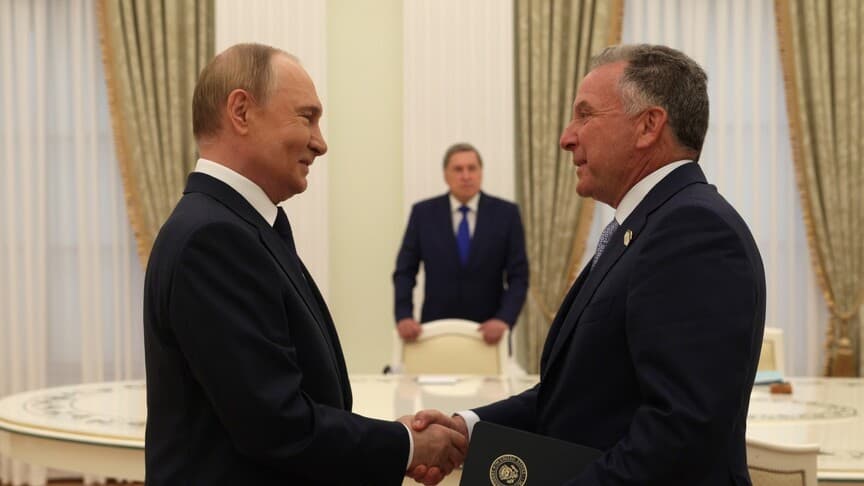
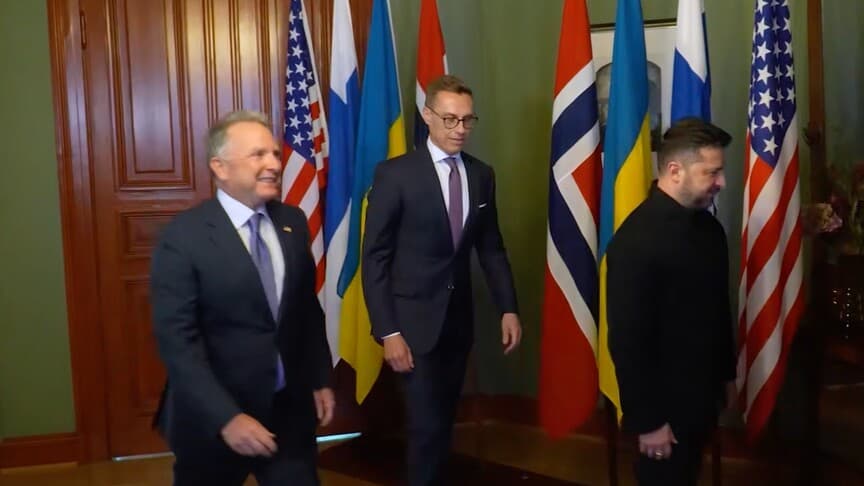
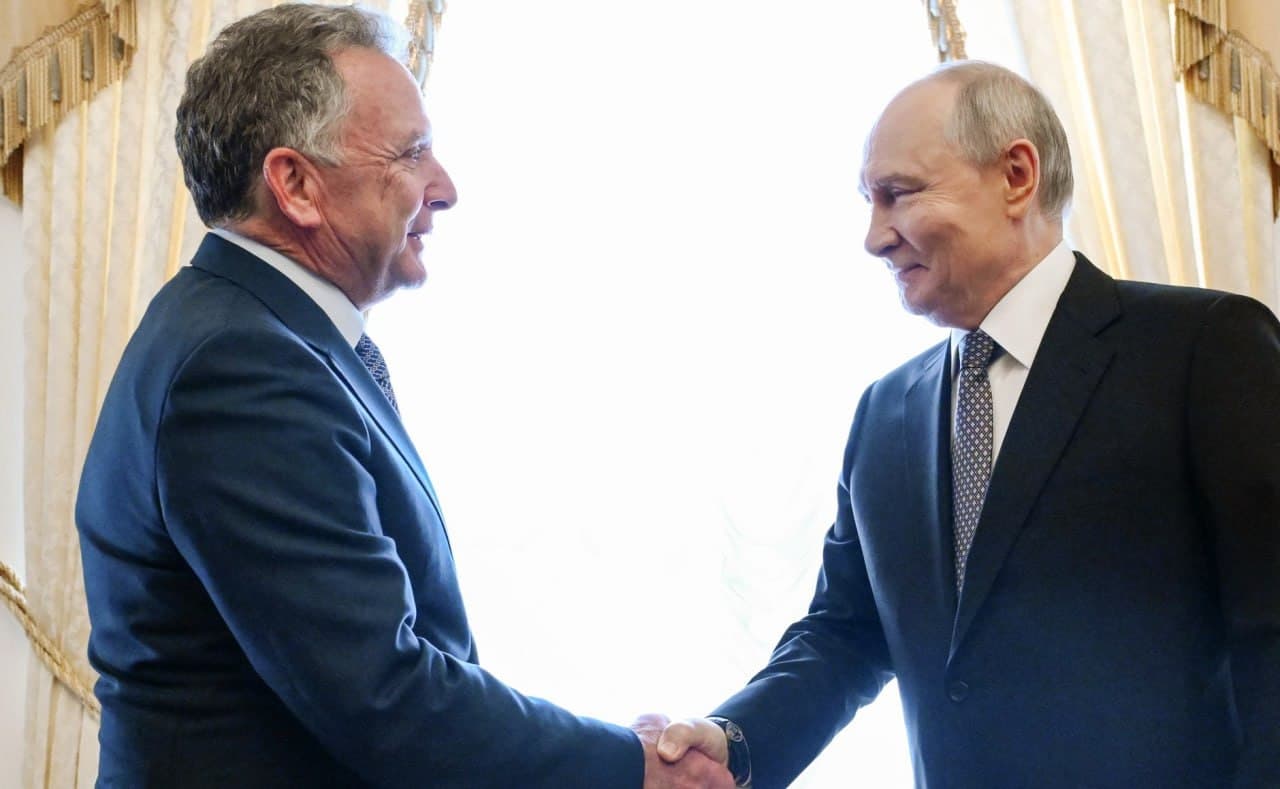
On October 21, a closed meeting between Vladimir Putin and Steve Witkoff, special envoy of US President Donald Trump, took place at the Konstantinovsky Palace in Strelna; according to the BBC, it lasted about three hours. Kirill Dmitriev, the Russian president's special representative for investment and economic cooperation, also took part; he had met Witkoff at Pulkovo airport in the morning. The day before, Witkoff met in Oslo with Ukrainian President Volodymyr Zelensky and the leaders of Norway and Finland.
Ushakov's statement on three-way talks
After the meeting, Russian presidential aide Yuri Ushakov told journalists that Putin had conveyed to Witkoff his readiness to resume three-way talks in the Russia–US–Ukraine format 'in the first ten days of November.' According to him, the main topic should be the creation of a security system for Russia and Ukraine after the end of the conflict. Ushakov added that the next round could be a meeting in Abu Dhabi in mid-November. According to Ushakov, Witkoff supported the proposal, noting that Trump would welcome such a decision 'with great pleasure.' Witkoff himself has not yet commented on the outcomes of the meeting.
Confirmation from the American side
A BBC source among American officials said that Witkoff and Trump's son-in-law Jared Kushner, who is also involved in the talks, proposed at the meeting in Oslo 'a three-way meeting at the technical level between the US, Russia and Ukraine.' According to the source, the Ukrainians accepted this proposal in Oslo, and the Russians in St Petersburg.
Assessments and mutual accusations
Ushakov said that Witkoff had spoken about 'new approaches' from the EU and Kyiv, but in his opinion there was 'little there useful for settling the Ukrainian crisis.' Asked about the prospects for ending the war, he replied: 'I don't know how close we are, but things are moving in that direction.' He also repeated the Kremlin's position that the talks, interrupted in February, had been intended to resume right after the September State Duma elections, but this did not happen 'because of Kyiv' due to large-scale strikes on Moscow and other cities, including polling stations. According to the BBC, Moscow has for months refused talks, believing it is winning on the battlefield; Ukraine and its European allies dispute Putin's claim about the 'strategic initiative' of Russian troops, pointing to the actual stalemate at the front. Kyiv has not yet commented on the Kremlin's proposal.
Context
The talks in Oslo and St Petersburg are taking place against the backdrop of growing tensions between Ukraine and the US. Trump has said that Ukraine needs a new president and that 'someone else should negotiate on Ukraine's behalf.' Ahead of the US midterm elections in November, he also blamed Ukrainian strikes on Russian oil refineries for rising fuel prices, which have been growing since the start of the US-led war with Iran. European leaders have expressed concern about recent US statements regarding Russia. Ushakov also allowed for a possible three-way meeting between Putin, Trump and Xi Jinping on the sidelines of the APEC summit, calling it a potentially historic event.