The key facts
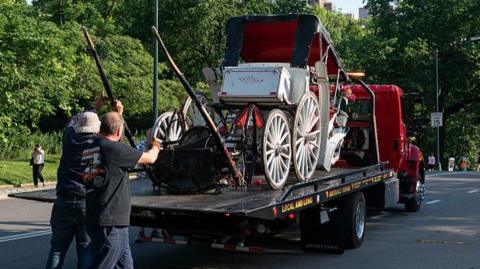
- The New York City Council is set to vote for a ban on horse-drawn carriages in Central Park effective June 2028
- The ban is named 'Ryanch's Law' after an 18-year-old tourist from India who died in June after a horse bolted
- About 200 drivers dispute cruelty allegations; the union says workers will be 'economically destroyed'
Ban on the verge of adoption
The New York City Council is expected on Thursday to vote for a ban on horse-drawn carriages in Central Park, set to take effect in June 2028. The proposal is supported by Mayor Zohran Mamdani, who said he would help develop a transition plan for workers in the industry. The use of carriages has been a contested tradition for more than 160 years and has long been a popular tourist attraction.
Tragedy that gave impetus
The movement for the ban gained new momentum this summer. In June, 18-year-old tourist Ryanch Mahajan, who had come with his family from India, fell out of a carriage when a horse bolted and died. The ban, named 'Ryanch's Law' in his honor, also follows the death this year of a carriage horse named Denise, which ate a poisonous plant in the park. According to the office of the Manhattan borough president, 40 working horses have died in Central Park since 1982 — from overheating, collisions and other problems. The nonprofit Central Park Conservancy, which manages the park and supports the ban, reported seven 'horse incidents' over the past 13 months: in May a driver was hospitalized after a frightened horse overturned another carriage, and in January a horse named Destiny entered the roadway, causing a multi-vehicle collision.
Drivers disagree
Drivers interviewed by the BBC dispute claims of mistreatment. 28-year-old Alexus Lawson, who has worked in the park for six years and owns six horses, called the teenager's death 'extremely tragic,' but noted: if the city were truly concerned about safety, carriages would have been banned immediately, not in two years. According to her, New York's carriages are the most regulated in the country, and the horses are 'working animals.' Driver Medet Fidan, with 12 years of experience, called the cruelty allegations a joke: 'I spend more time with the horses than with my wife and children.' He is outraged that the ban was discussed without personal dialogue with industry workers. The City Council held hearings in July with drivers participating.
Fate of workers and horses
The bill provides for an 'industry transition framework': possible employment, training, career guidance and financial compensation. According to drivers who spoke at the hearings, they earn about $60,000–70,000 a year. A representative for Mamdani said his office is involved in planning the search for new jobs. However, the Transport Workers Union argues that the plan contains no guarantees, including compensation, and that workers will be 'economically destroyed.' The union also pointed to a lack of funding for those who will take in the horses, noting that thousands of horses end up at slaughter auctions each year. The bill prohibits selling horses for slaughter or for similar work.
Historical controversy
Concerns about horse welfare have been voiced in the city for decades: in 1866, after Henry Bergh witnessed the brutal beating of a carriage horse, he founded the ASPCA. Peta and a coalition of organizations also oppose the carriages. Horses may work up to nine hours a day; a 20-minute ride costs $72.22 plus $28.89 for each additional ten minutes. Opinion among residents and tourists is divided: New Yorker Ron Tzur said the horses are clearly not well cared for, German tourist Vanessa Stolle considered the noisy park an unsuitable place for animals, and her compatriot Christian Bowers called the carriages 'part of New York culture.' Tourist Chris Koenigs from Colorado acknowledged the horses are 'beautiful,' but called the teenager's death this summer 'sickening' and too high a price.
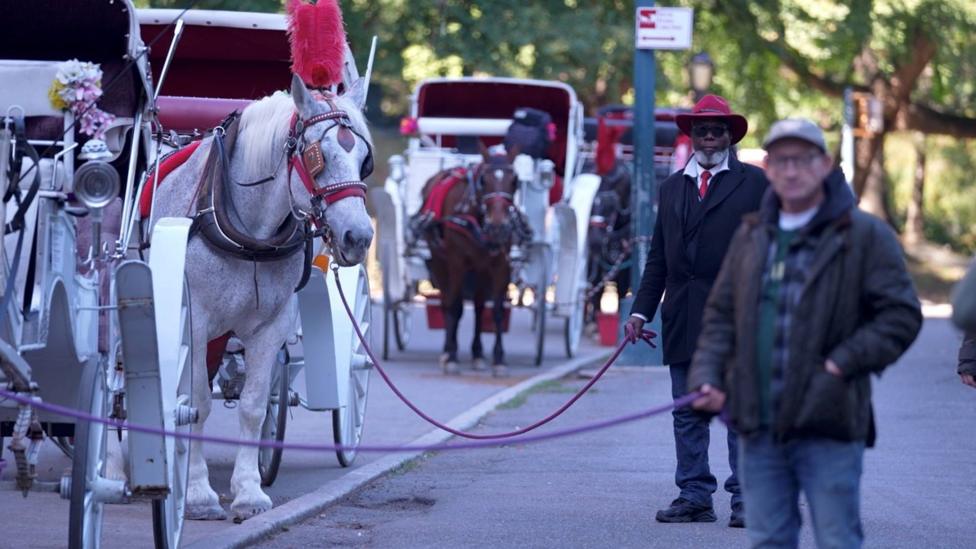
Drivers of horse-drawn carriages in Central Park are concerned for their future - while animal activists see the ban as a victory
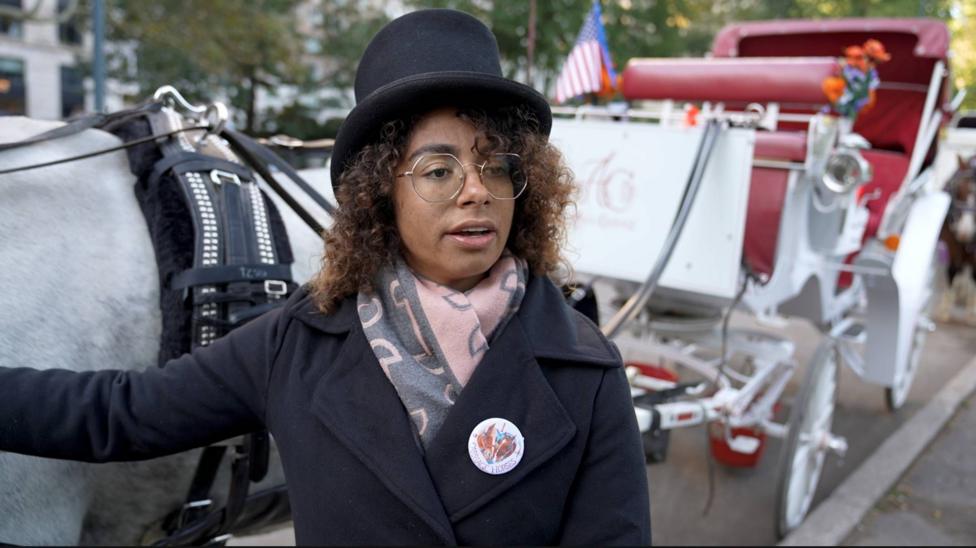
Lawson says she feels very attached to her horse - and to her business as a carriage driver
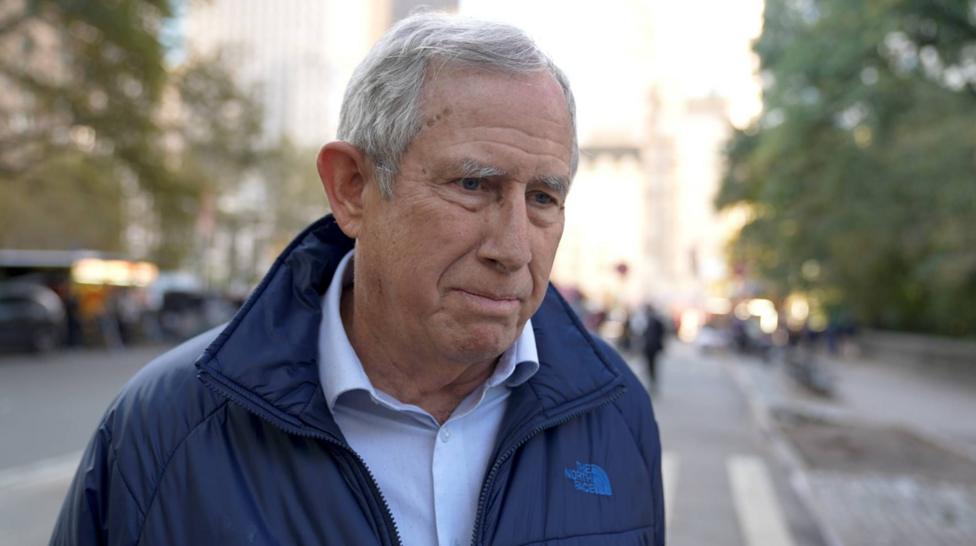
Chris Koenigs thinks the horses are