The key facts
- Italy and Spain will permanently lift mutual border controls, restoring Schengen
- The controls were introduced on 1 August after more than 70,000 migrants broke into Ceuta in July
- The lifting will be accompanied by enhanced information exchange and alternative cooperation measures
Agreement to lift controls
Italy and Spain have agreed to permanently lift temporary border controls, ending the suspension of Schengen rules between the two countries. The decision followed a phone call between interior ministers Matteo Piantedosi and Fernando Grande-Marlaska. A week earlier, prime ministers Giorgia Meloni and Pedro Sánchez, on the margins of the European Council, expressed their intention to end the checks. In identical statements, both governments said the decision was taken after a careful assessment of the situation and that the current suspensions would not be extended.
Background of the conflict
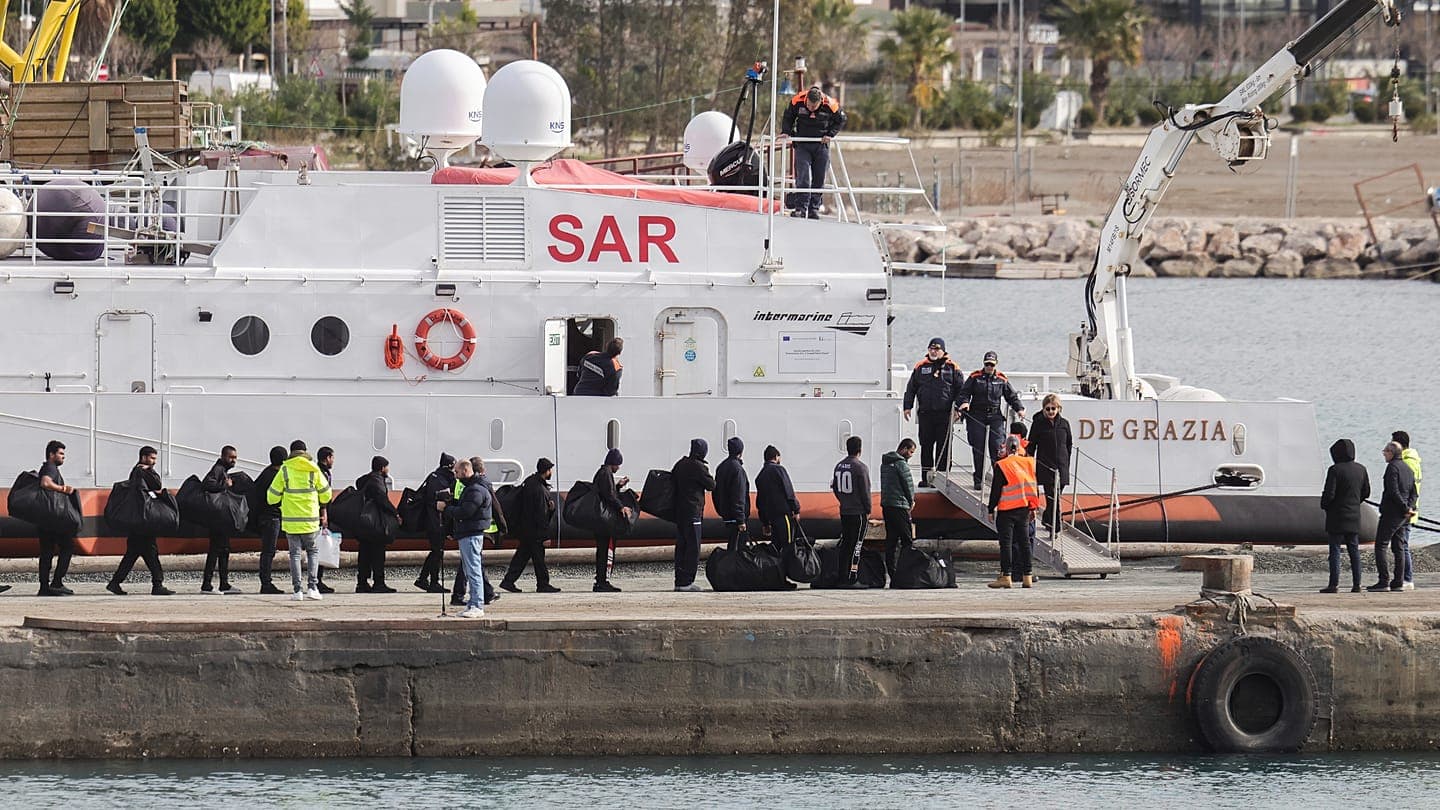
The incident that triggered the political crisis between Madrid and Rome occurred in July, when more than 70,000 people illegally entered the Spanish autonomous city of Ceuta from Morocco. After that, Meloni announced the immediate introduction of checks. On 1 August, Rome temporarily restored border controls with Spain, suspending Schengen rules and beginning to screen travellers at ports and airports. The Italian Ministry of the Interior stated that the targeted checks were aimed mainly at citizens of non-EU countries, in order to strengthen border security and prevent potential terrorist threats.
Madrid's reaction and settlement
The introduction of controls caused diplomatic tension: Spanish foreign minister José Manuel Albares called it 'absurd' and 'a disgrace'. A week later, Spain introduced reciprocal checks for those arriving from Italy. At the same time, the countries do not share a land border, and Ceuta lies outside the Schengen area, where free movement rules do not apply. According to sources in the interior ministries of the two countries, the lifting of checks will be accompanied by enhanced information exchange to ensure security in the Schengen area. The agreement between the interior ministers, together with alternative cooperation measures, will allow the bilateral checks to be phased out.