The key facts
- Helion received $175 million from the US Department of Commerce under the CHIPS Act plus an additional $50 million in private investment; the company has raised over $3.2 billion in total
- Halving losses in power electronics from 5–10% could, according to CEO David Kirtley, double the energy output of the fusion system
- More than $100 million will go to R&D in Washington state, and about $80 million in Vermont together with GlobalFoundries
Federal funding and private investment
Fusion startup Helion announced it has received $175 million in federal funding for the research, development and production of advanced semiconductors and power electronics for its fusion power plants. The three-year grant was provided by the US Department of Commerce under the CHIPS Act — a law from the Biden era aimed at supporting the development and production of semiconductor modules in the US. At the same time, the company announced it raised $50 million in private investment, without disclosing the investor. In total, Helion has raised more than $3.2 billion, making it the second-best-funded fusion startup.
Why a fusion reactor needs semiconductors
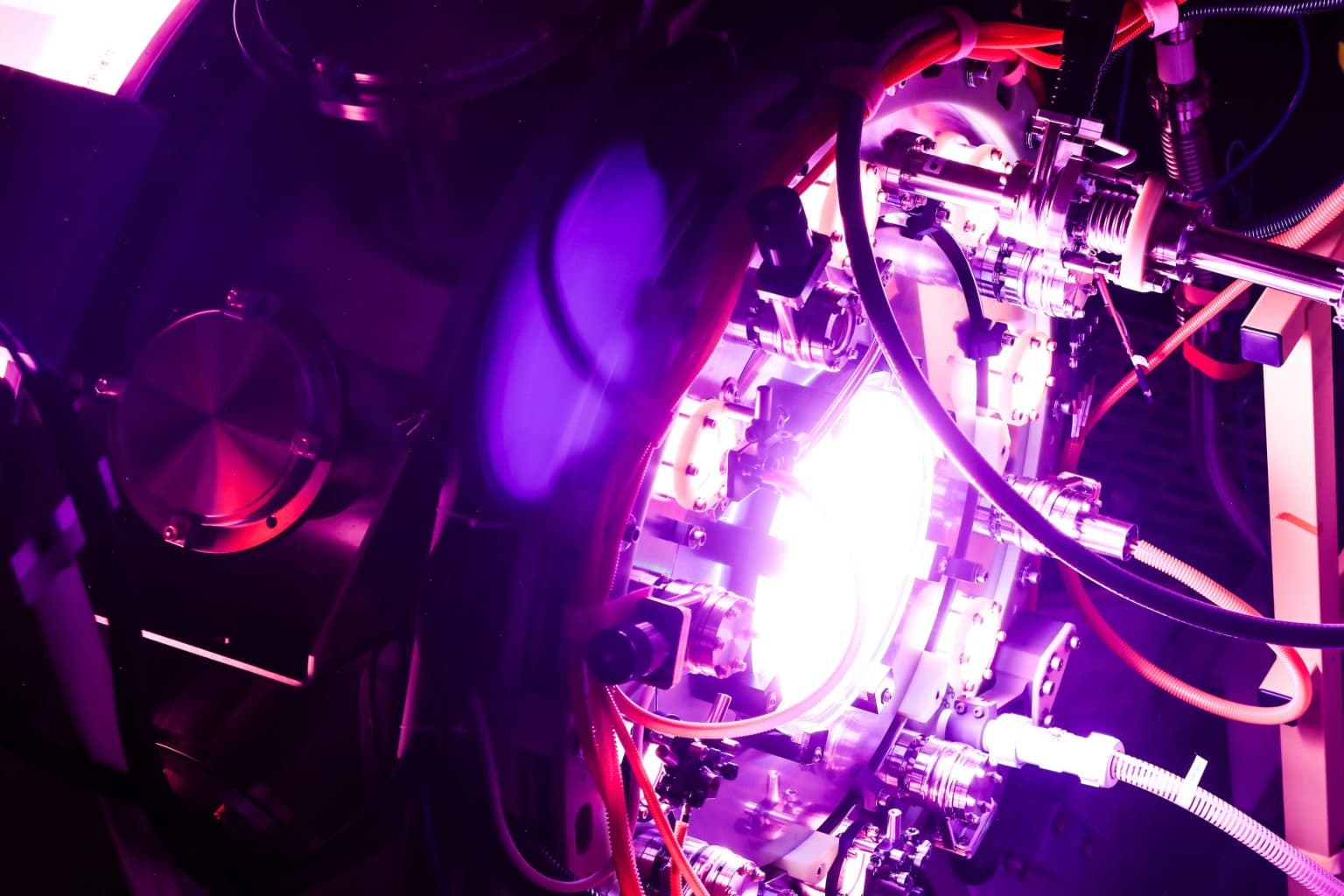
According to the company, modern power devices lose about 5–10% of the electricity passing through them, and in a complex system like Helion's facility these losses accumulate. “If we can cut those losses in half, it effectively doubles the energy output of the fusion system,” Helion co-founder and CEO David Kirtley told TechCrunch. Electronics efficiency is especially important for Helion's approach: the field-reversed configuration reactor converts fusion energy directly into electricity, bypassing steam heating and a turbine. The fuel (deuterium and helium-3) is heated, accelerated by magnets and compressed to a temperature above 100 million degrees Celsius; when plasma blobs collide, the released energy is captured by magnets and capacitors and converted into electricity. Kirtley called modern semiconductors one of the key elements enabling direct electricity recovery with high efficiency.
New production line and partnership with GlobalFoundries
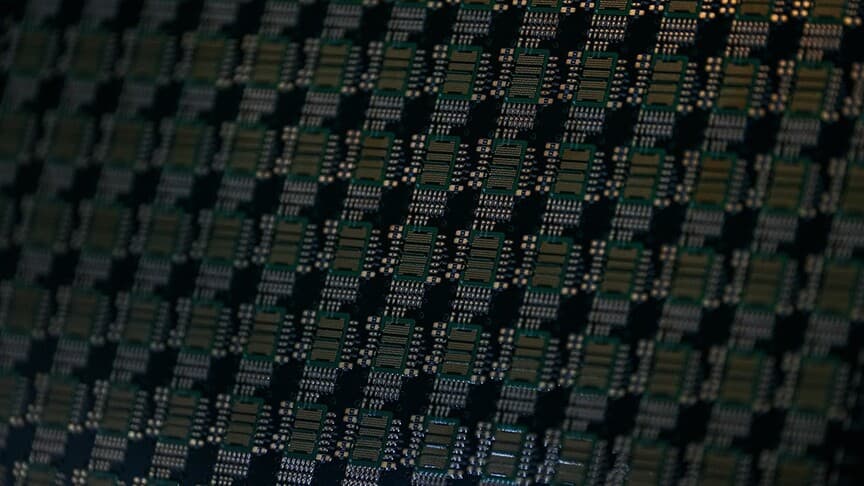
The funding will help Helion build automated facilities for the production, packaging and testing of semiconductor modules for the fusion facility under construction. The new line will be located in Washington state and, according to Kirtley, will be the first in the US producing a class of semiconductors used not only in fusion energy but also in industry, wastewater treatment, medicine and defense. “Right now there are no manufacturers in the US doing this,” Kirtley noted. More than $100 million of the grant will go toward R&D in semiconductors and advanced packaging in Washington state, and about $80 million toward tooling, design and process development in Vermont together with GlobalFoundries. Separately, GlobalFoundries received more than $80 million from the federal government to develop the production of gallium nitride-based semiconductors, widely used in power electronics.
Timelines and areas of application
Kirtley acknowledged that the results of the funded research will not make it into the company's first power plant, Orion, which Helion is building by 2028 to supply electricity to Microsoft from the grid — negotiations over federal contracts can take months. However, according to him, the developments should improve the efficiency of Helion's subsequent power plants and their competitiveness in the electricity market. Beyond energy, advanced power electronics could find applications in electric vehicles, consumer electronics and the defense industry, where interest in energy weapons has grown amid the mass use of drones. Bill Frauenhofer, who oversees semiconductor investments and innovation at the Commerce Department, said in a press release that the grant will help “transform and deliver energy for critical applications in defense, grid power transmission and advanced power generation.” Despite the potential of defense contracts, Kirtley emphasized that Helion remains focused on supplying power to the grid: “Domestic power supply, national security through energy dominance and energy security — that is our main focus.”