The key facts
- The US Commerce Department plans to award up to $389 million to four companies for the development of power semiconductors and materials
- Helion may receive up to $175 million, Commonwealth Fusion Systems up to $85 million, Vertical Semiconductor up to $73 million, and Sibelco up to $56 million
- The funding is formalized through letters of intent under the CHIPS and Science Act
New Grants for Power Semiconductors
The US Department of Commerce on Thursday announced plans to provide up to $389 million for research and development to four companies working on power semiconductors and critical materials. Among the areas are technologies for fusion energy and advanced data centers. The awards are formalized through letters of intent under the CHIPS and Science Act and, according to the agency, are aimed at strengthening domestic production and reducing dependence on foreign suppliers of components important to the country's energy infrastructure.
Who Will Receive the Funds and for What
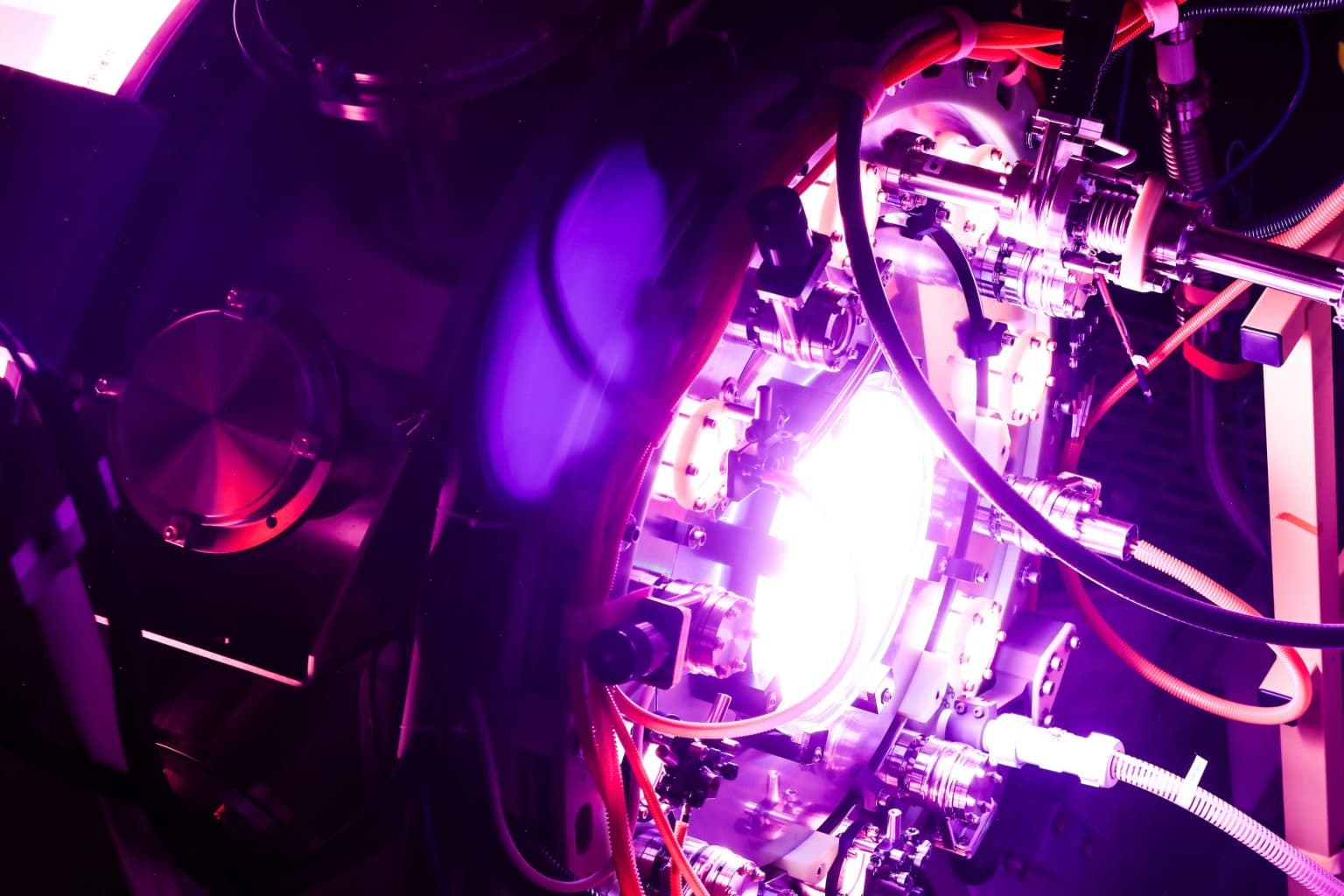
Fusion company Helion may receive up to $175 million to develop high-voltage semiconductors and power modules for fusion generators. Commonwealth Fusion Systems expects up to $85 million for plasma heating technologies, fusion diagnostics, and radiation-hardened electronics. Vertical Semiconductor may receive up to $73 million to advance gallium nitride-based power semiconductors for advanced computing, including a demonstration project for a 2.5 MW data center rack. Materials supplier Sibelco will receive up to $56 million for technologies to purify ultra-high-purity quartz used in semiconductor manufacturing.
Government Statements
Commerce Secretary Howard Lutnick said the Trump administration is accelerating American semiconductor innovation to strengthen domestic energy and power resources, and that the investments expand domestic research, protect critical supply chains, and create high-paying jobs. Bill Frauenhofer, the agency's executive director for semiconductor investments and innovation, noted that the awards will help advance technologies for the power grid, defense systems, and emerging fusion energy. According to the department, improved power electronics could increase energy efficiency, strengthen grid stability, and reduce thermal losses, supporting growing electricity demand from data centers and other critical infrastructure.