The key facts
- The new EV platform debuts in 2028 on the Cadillac Escalade IQ; the CCU is 40 times more powerful, with wiring reduced by 30%
- In 2028, GM will launch hands-off, eyes-off highway autonomous driving
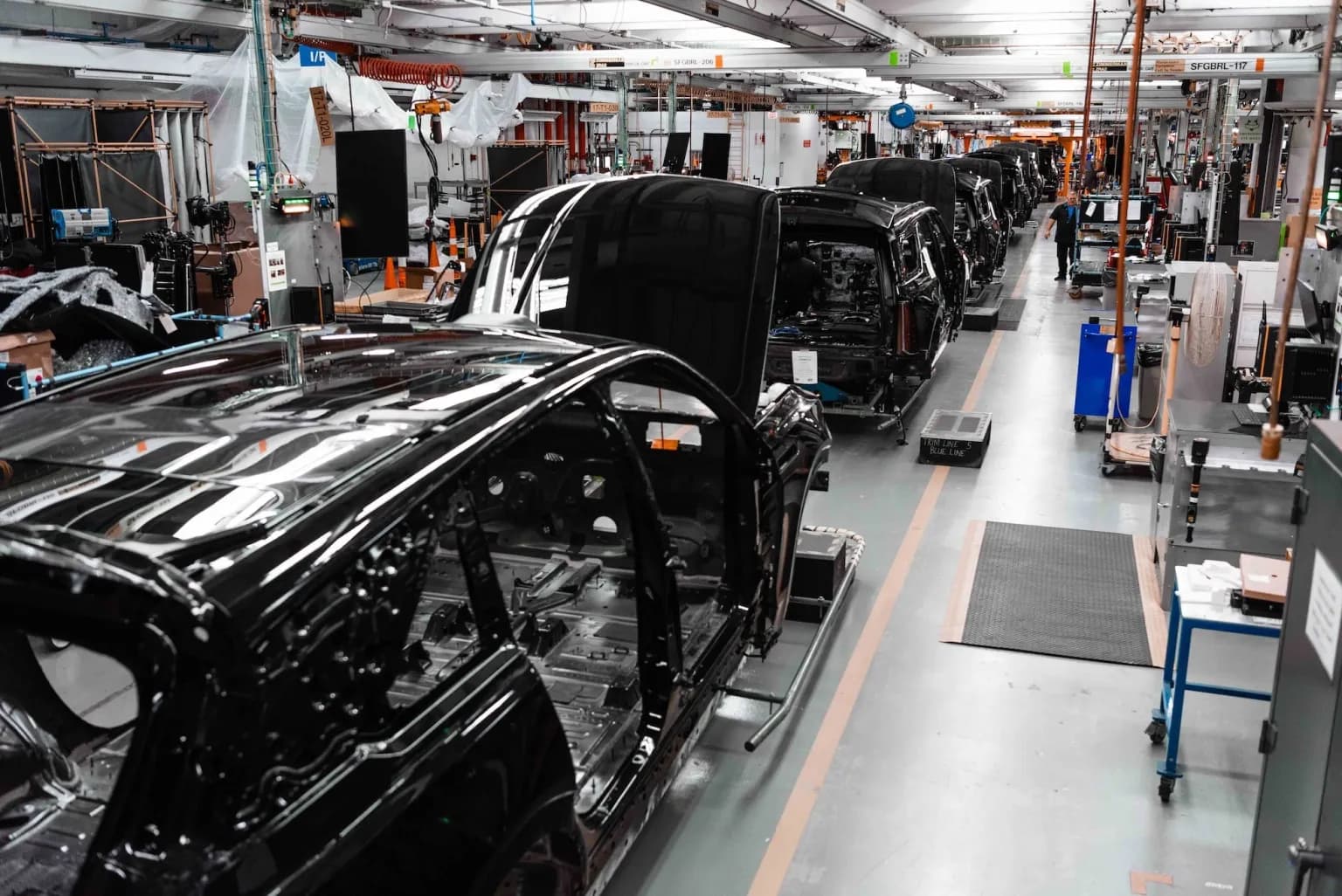
- GM aims to cut its development cycle from 4–5 years to 2–3 years, matching the pace of Chinese automakers
New platform: focus on computing, not classic metrics
At the annual GM Forward event in New York, GM presented its fourth-generation electric vehicle platform. As TechCrunch notes, what the company did not talk about is also notable: the presentation contained almost none of the traditional automotive terms like suspension geometry or torsional rigidity. Instead, the emphasis was on new battery chemistries, redesigned electric motors, and an entirely new central computing platform and electrical architecture that unifies all of the vehicle's systems — from propulsion and steering to braking, active safety, and software. GM's chief product officer Sterling Anderson told the publication that cars could become a more useful part of everyday life if they 'understand context, reduce friction, and give people back their time.'
Central compute unit and timelines
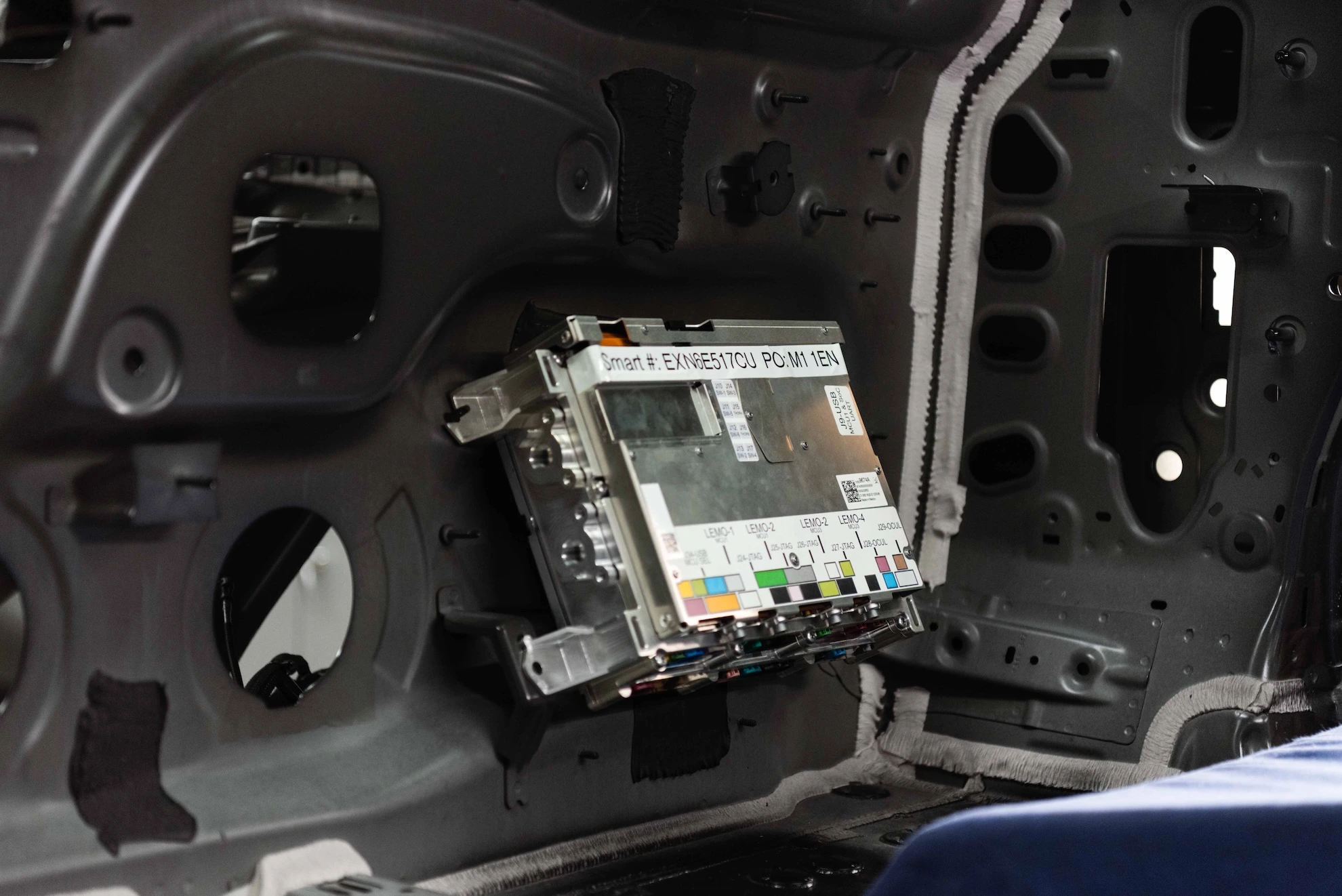
GM concluded that its previous approach with chips distributed throughout the vehicle was holding back its development. In the fourth-generation EV, most functions will be concentrated in the Central Compute Unit (CCU), which is 40 times more powerful than existing systems. Eliminating peripheral chips will cut wiring by 30%, reducing weight and simplifying assembly. The CCU will handle powertrain and chassis control, as well as environment perception and active safety; it will also suit internal combustion engine models. The platform's debut is scheduled for 2028 with the Cadillac Escalade IQ, which becomes the brand's technology flagship. That same year, GM will launch a highway autonomous driving feature that allows the driver to take their hands off the wheel and eyes off the road without needing to be ready to retake control.
A bet on software and spending figures
GM has been investing in software for several years: the company dropped Apple CarPlay from nearly all of its EVs in favor of a Google-based system, and its spending on amortization of capitalized software in 2025 amounted to $866 million. TechCrunch recalls that European and American automakers have often struggled with the 'software-defined vehicle' challenge: Volkswagen, facing problems with its Cariad division, formed a joint venture with Rivian worth $5.8 billion. Last year, GM announced an overhaul of the electrical and computing architecture of its future vehicles to enable faster software, advanced automated driving features, and a conversational AI assistant.
The race with Chinese automakers
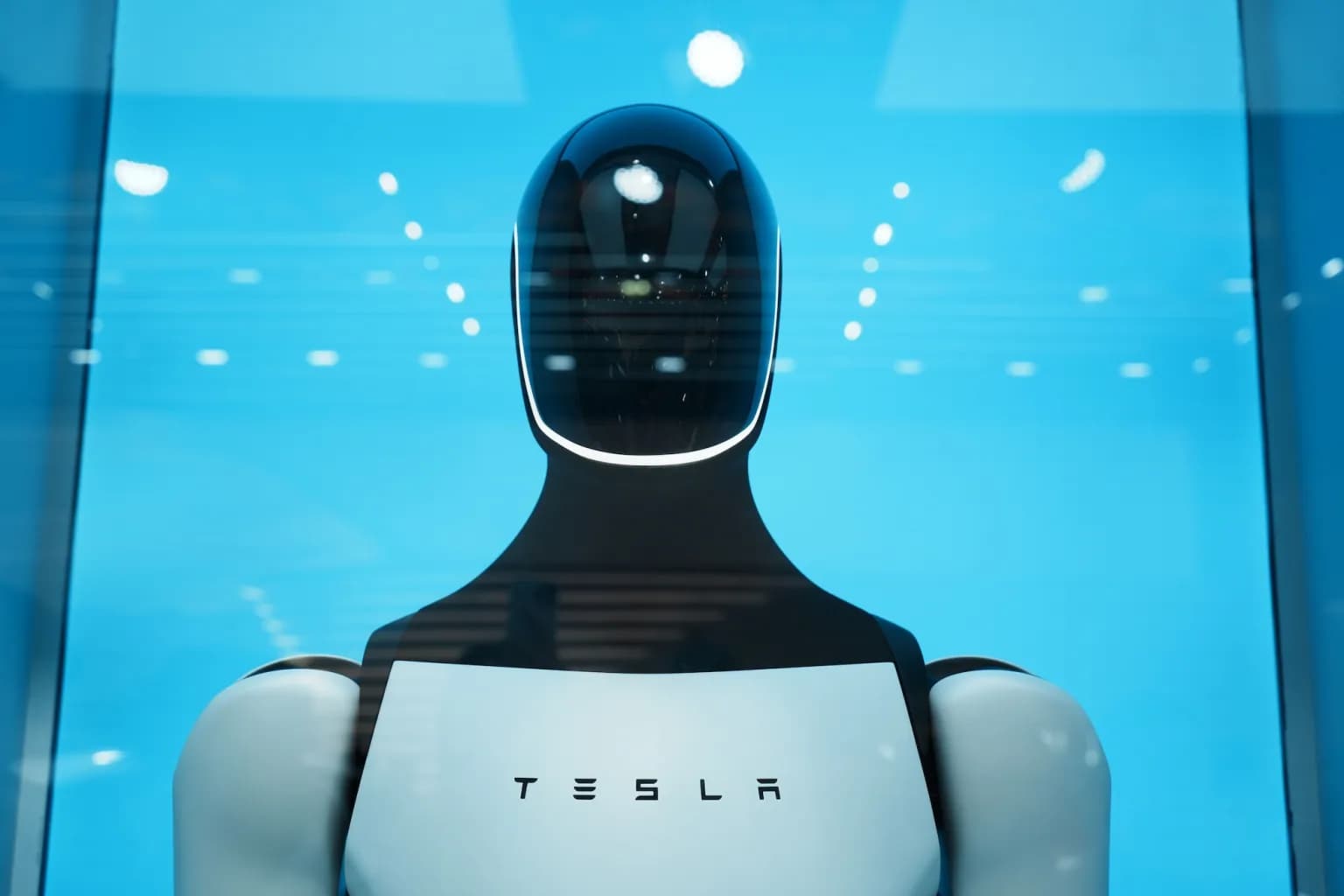
According to TechCrunch, Chinese manufacturers have cut development cycles to two to three years versus the usual four to five, and GM intends to match that pace, seeking to halve its own cycle through corporate AI tools. One example: engineers ran 300,000 virtual variants of a new lithium-manganese-rich battery pack before building the first physical prototype, allowing the concept to reach an approved program in just one month. Pressure is also mounting from Tesla, which has advanced in autonomy thanks to being a true software-defined vehicle. The publication also cites Elon Musk's remarks at the 2024 earnings call that without trade barriers, Chinese automakers would 'pretty much demolish most other companies in the world'; in response, he is trying to transform Tesla from a car company into an AI and robotics company. GM's shift toward autonomy signals a similar pivot, and the new architecture, in the publication's assessment, gives the company a fighting chance.