The key facts
- Merz at the Berlin Process summit in Budva: 'violence must never be an option' for any side
- He called for continuing EU enlargement and ensuring that citizens feel its benefits
- Merz reaffirmed support for the Western Balkan countries' EU accession, conditional on reforms
Speech at the summit in Budva
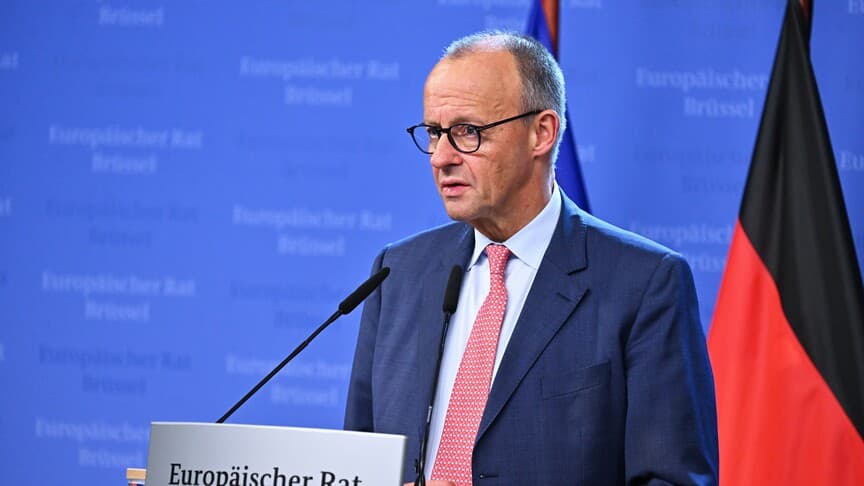
German Chancellor Friedrich Merz spoke on Thursday at the Berlin Process summit in Budva, Montenegro, stating that 'violence must never be an option' either in the European Union or in the Western Balkans. In his words, violence has no place in democracies, and he warned about the risks of polarization of societies.
Protests as a signal
'We all see protests across the region and in our countries, and these protests, dear colleagues, give us a clear signal,' Merz said. 'We must continue the enlargement process and must make sure that our citizens benefit from it.' He added that 'polarizing rhetoric or growing polarization will not lead to a safer, freer and more prosperous Europe, and history will not be kind to those who divide in these difficult times.'
Support for EU enlargement
In his opening remarks, Merz reaffirmed Germany's strong support for the Western Balkan countries' bids for EU membership, but stressed that the region's governments must demonstrate political will and carry out the necessary reforms.
About the summit
Montenegro is hosting the Berlin Process leaders' summit on Thursday in Budva. The initiative, launched by Germany in 2014, brings together the six Western Balkan countries — Albania, Bosnia and Herzegovina, Kosovo, Montenegro, North Macedonia and Serbia — together with EU partners to strengthen regional cooperation, economic ties and the path to EU membership.